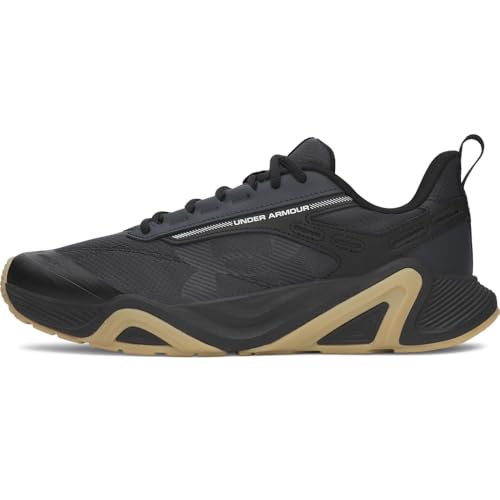
 Related pick
For squats, wear shoes with a flat, non-compressible sole for stability, such as weightlifting shoes with a raised heel or flat minimalist shoes. Avoid running shoes or cushiony trainers as they reduce stability and can cause balance issues during heavy lifts.
Squats are a foundational exercise for building strength and muscle, but the shoes you wear can make or break your form. The wrong footwear can lead to instability, poor depth, and even injury. This guide cuts through the noise to help you choose the best shoes for squatting, focusing on what actually matters: support, stability, and ground contact.
Why Squat Shoes Matter More Than You Think
Shoes are your only connection to the ground during a squat. If that connection is unstable, your body compensates by shifting weight, leaning forward, or losing balance. This not only reduces squat efficiency but also increases strain on your lower back and knees.
Running shoes or cross trainers with thick, cushioned soles are designed for impact absorption and forward movement. In a squat, that foam compresses under load, creating an unstable platform. You essentially stand on a springy surface, which can cause your feet to roll or wobble. Over time, this leads to compensation patterns that sabotage your form.
Flat, firm soles provide a solid foundation. They allow you to push through the entire foot, engage your glutes and hamstrings properly, and maintain a vertical shin angle. This is why nearly every serious lifter avoids squishy shoes for heavy squats.
The Best Shoe Styles for Squats
Adidas Powerlift 5 Adidas Powerlift 5 Weightlifting Shoes: These have a raised heel (usually 0.75 inches) made of wood or hard plastic. The heel lift allows for greater ankle dorsiflexion, helping you hit depth while keeping your torso upright. Ideal for deep squats, front squats, and olympic lifting. They are rigid and non-compressible, offering maximum stability. Many come with a strap for extra foot lockdown.
Flat Minimalist Shoes: Think Converse Chuck Taylors or similar flat canvas shoes. They have a zero drop and thin, firm sole. Perfect for conventional squats and deadlifts. They do not provide ankle support, but they allow natural foot movement. Great for beginners or those who do not need extra ankle mobility.
Barefoot Shoes: Vibram FiveFingers or similar models give you ground feel and allow toe splay. They mimic barefoot squatting but offer protection from dirty gym floors. They work well for bodyweight squats or moderate loads, but can be uncomfortable under heavy barbell pressure due to the lack of padding.
What to Avoid and Why
Avoid running shoes, even minimalist running shoes, because of the stack height. The elevated heel in most running shoes (even minimal ones) disrupts your squat mechanics. Avoid highly cushioned trainers like Hoka or Brooks for squats. They absorb power and reduce proprioception.
Do not wear shoes with a rocker sole or significant tread pattern. Basketball shoes often have elevated heels and wide soles for lateral movement, which can cause your feet to roll inward during a squat. Cross trainers designed for HIIT might be okay for light squats but not for heavy lifts due to their compressible midsoles.
Flip flops, sandals, or worn out shoes are dangerous. You need secure footing and the ability to brace against the floor. Loose shoes or excessive cushioning can lead to a fall.
How to Choose the Right Shoe for Your Squat Style
If you prioritize deep squats with an upright torso (e.g., front squats, Olympic lifts), weightlifting shoes are the best choice. The raised heel helps if you have limited ankle mobility. If you prefer low bar back squats where your torso leans forward, flat shoes like Converse or weightlifting shoes both work, but flat shoes allow more posterior chain engagement.
For sumo squats or wide stance squats, flat shoes give better ground contact and stability. For high bar squats, either style can work, but weightlifting shoes are often preferred for their stability under the bar.
Consider your foot width. Weightlifting shoes tend to be narrow. If you have wide feet, look for brands that offer wide sizes or stick with minimalist shoes. Always try them on with the socks you wear for lifting.
If you train at a commercial gym where you need versatility, consider packing a pair of flat shoes specifically for squat and deadlift days. Many lifters change shoes for each exercise to optimize performance.
Should You Squat Barefoot?
Squatting barefoot is perfectly safe and actually recommended for natural foot mechanics. It allows your toes to spread and provides instant feedback from the floor. Many lifters at home or in gyms that allow it prefer barefoot for the stability.
However, most commercial gyms require shoes for hygiene and safety reasons. Dropping a weight on a bare foot is obviously worse than with shoes. If you can squat barefoot safely and your gym permits it, give it a try. Otherwise, barefoot shoes are the next best thing.
If you squat barefoot, focus on pressing through the whole foot, especially the big toe and heel. This helps activate glutes and maintain balance. Some lifters find they can squat deeper without a raised heel when barefoot due to improved ankle flexibility.
Frequently asked questions
Can I wear running shoes for squats?
No, running shoes are not recommended for squats because their cushioned soles compress under load, reducing stability and altering your squat mechanics. They can lead to balance issues and increased injury risk.
What is the difference between weightlifting shoes and flat shoes for squats?
Weightlifting shoes have a raised heel to help with ankle mobility and upright posture, ideal for deep squats. Flat shoes offer a zero drop sole, allowing natural foot position and more posterior chain engagement.
Are Converse good for squatting?
Yes, Converse Chuck Taylors are a popular choice for squats due to their flat, firm rubber sole and canvas upper, which provide good ground contact and stability for moderate to heavy lifts.
Do I need special shoes for squats?
You don't need special shoes if you have a pair of flat, non-compressible soles like simple canvas sneakers, but dedicated weightlifting or minimalist shoes can enhance stability and performance.
Looking to buy? See our Footwear guides for tested picks.