 Related pick
Expensive balance training equipment can be worth it if you need targeted rehab, advanced proprioception work, or enjoy varied home workouts. For most casual fitness enthusiasts, budget-friendly options like foam pads or free alternatives like yoga poses and single-leg exercises provide similar benefits at lower cost.
Balance training has become a staple in many fitness routines, touted for improving stability, preventing injuries, and enhancing athletic performance. But as you browse the market, you’ll find a wide range of equipment, from affordable foam pads to high-end wobble boards and BOSU balls that cost several times more. This article offers a practical, honest look at whether splurging on expensive balance training gear is necessary, or if you can achieve your goals with simpler, cheaper alternatives.
What Exactly Is Balance Training Equipment?
Balance training equipment includes any tool designed to challenge your stability by creating an unstable surface. Common examples are balance boards, wobble cushions, BOSU balls, and stability discs. These devices force your body to recruit smaller stabilizer muscles to maintain equilibrium, which can improve coordination, core strength, and joint stability.
Higher-end equipment often features more durable materials, adjustable difficulty levels, or specific designs for rehabilitation or advanced training (like rocker boards for ankle rehab or Indo boards for surfers). The price difference usually reflects build quality, brand reputation, or specialized features, not necessarily superior effectiveness for the average user.
The Real Benefits of Balance Training (and When It Matters)
Balance training can be genuinely beneficial for certain groups. Athletes in sports requiring high stability, like snowboarding, gymnastics, or martial arts, may see performance gains. Older adults can reduce fall risk by improving proprioception. And individuals recovering from ankle or knee injuries often use balance tools as part of physical therapy.
However, for the general fitness enthusiast, the incremental benefits of specialized equipment over simple bodyweight exercises are often minimal. Studies show that basic moves like single-leg stands, lunges, or yoga poses can activate similar stabilizer muscles without any gear. The key is progressive overload: as you improve, you can increase difficulty by closing your eyes, standing on a folded towel, or moving your arms.
Comparing Cheap vs. Expensive Options
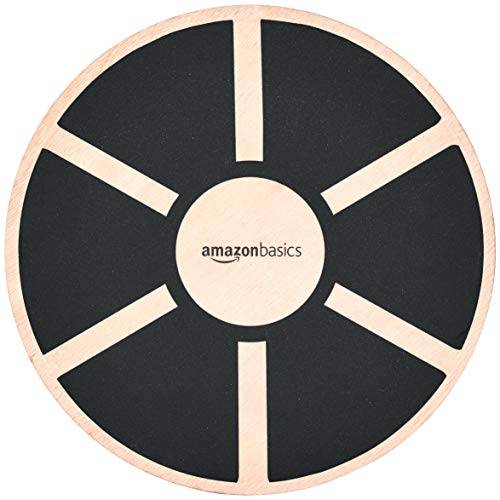
Budget-friendly balance tools, like a foam balance pad or a simple wooden balance board, can cost very little and provide 90% of the same training stimulus. They are lightweight, easy to store, and effective for most workouts. Many physical therapists use basic tools like these for rehab, proving you don’t need high-end gear for quality training.
Expensive options often tout premium materials (e.g., non-slip surfaces, reinforced plastic) or design innovations (e.g., multiple instability axes, digital tracking). While these may offer a more refined experience, the extra cost rarely translates to significantly better results for the average user. Unless you have a specific clinical need or are a professional athlete requiring precise, adjustable resistance, the budget versions will serve you well.
When It Might Make Sense to Invest More
There are scenarios where pricier equipment could be justified. If you have a chronic condition (like chronic ankle instability) and need a specific device for rehabilitation, the sturdier construction and safety features of a higher-end product may be worth it. Similarly, if you’re a physical therapist or personal trainer using the gear with multiple clients, durability becomes a factor.
For home use with one person, though, even basic equipment lasts for years. Another consideration is whether you genuinely enjoy using the tool. If a high-quality wobble board motivates you to train consistently, that psychological benefit can be valuable. But be honest with yourself, are you buying it because you think it’s a magic solution, or because it genuinely fits your routine?
Free and Low-Cost Alternatives That Work Just as Well
Before buying any equipment, try bodyweight balance exercises: single-leg deadlifts, tree pose in yoga, or walking on a straight line. These require zero cost and can be progressed indefinitely. A folded towel or pillow can serve as an unstable surface. Even standing on one leg while brushing your teeth adds balance training to your day.
If you want a dedicated tool, a foam balance pad costs a fraction of a BOSU ball and offers similar instability. A wooden balance board can be DIY-made. The bottom line: expensive gear is a convenience, not a necessity. Start with free fundamentals, and only invest in specialized equipment if you hit a plateau or have a specific rehab need.
Frequently asked questions
Is expensive balance training equipment better for beginners?
No, beginners benefit just as much from affordable options like foam pads or bodyweight exercises. Expensive gear doesn't accelerate progress and may even be intimidating or overly challenging for new users.
Can I improve balance without any equipment?
Absolutely. Simple exercises like standing on one leg, heel-to-toe walks, and yoga poses are highly effective. No equipment is needed to see significant improvements in stability and coordination.
What should I look for when buying balance training equipment?
Focus on durability, non-slip surface, and appropriate difficulty level for your needs. Ignore marketing hype about being 'pro-grade.' Affordable options perform well for most users.
Does expensive balance gear help with injury recovery faster?
Not necessarily. Recovery depends on proper exercise selection and progression, not the cost of the tool. Basic equipment, when used correctly under guidance, can be just as effective.
Looking to buy? See our Balance Recovery guides for tested picks.