 Related pick
Starting a home gym begins with assessing your fitness goals and available space. Prioritize versatile equipment that supports your primary objectives, such as resistance bands, dumbbells, or a yoga mat. Ensure proper flooring and ventilation for safety and comfort. Gradually add pieces as your needs evolve, focusing on functionality and form over acquiring excessive gear upfront.
Building a home gym offers unparalleled convenience and control over your fitness journey. It removes barriers like travel time, crowded facilities, and membership fees, placing the power to train exactly when and how you want directly in your hands. However, approaching this project thoughtfully is key to creating a space that genuinely serves your needs and helps you maintain consistency without becoming a dusty storage area.
Assessing Your Needs and Space
What are your fitness goals? Are you aiming for strength, cardiovascular endurance, flexibility, or a balanced mix? The answers to these questions, alongside a realistic assessment of the time you can commit, will inform every equipment choice. Avoid purchasing items simply because they appear impressive; instead, focus on gear that directly supports your specific program and progression. Consider your current fitness level, as a beginner’s setup will differ significantly from that of someone pursuing advanced strength training.
Next, carefully evaluate the physical space you have available for your home gym. This could be a spare room, a corner of your garage, or even a designated area within a living room in a smaller apartment. Accurately measure the dimensions, taking into account ceiling height, potential natural light sources, and the proximity to power outlets if any electrical equipment is planned. Crucially, assess the floor’s ability to support weight and impact, considering whether protective flooring like rubber mats might be necessary. Adequate ventilation is also a key factor for comfort and air quality during your workouts.
Essential Equipment for Different Goals
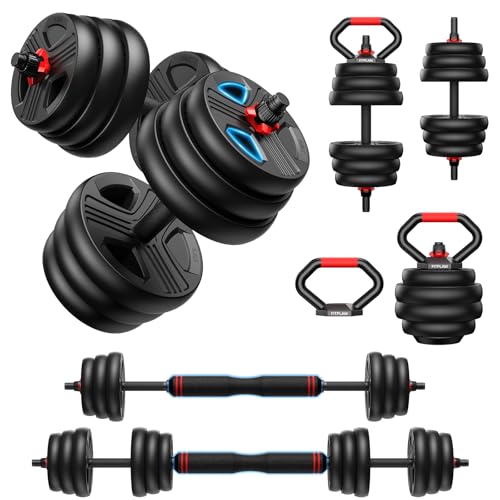
For effective strength training, versatile items such as adjustable dumbbells or a comprehensive set of resistance bands are excellent starting points due to their broad utility and compact nature. A sturdy pull up bar and a few kettlebells can also unlock a wide array of exercises. If your space permits, a flat or adjustable weight bench greatly expands your exercise options. When making selections, prioritize equipment that facilitates compound movements, as these engage multiple muscle groups simultaneously and offer a strong return on your investment in terms of functional fitness development.
Cardiovascular training equipment options range widely based on space constraints and personal preference. A jump rope provides a highly effective and incredibly compact cardio workout. Larger pieces like stationary bikes, ellipticals, or treadmills represent a more significant investment but offer consistent, low-impact training in a dedicated format. To ensure long-term adherence, choose cardio equipment you genuinely enjoy using. For flexibility and bodyweight exercises, a high-quality yoga or exercise mat is indispensable. Additionally, foam rollers and resistance loops can be valuable for warm ups, cool downs, and targeted muscle recovery.
When selecting any equipment, always prioritize its quality and inherent safety features over aesthetic appeal or novelty. Durable construction ensures stability and longevity throughout years of use. It is wise to review product details, focusing on functionality and build quality rather than marketing language. Also, consider how easily equipment can be stored or moved if your designated workout area serves multiple purposes. Prioritize items that offer multiple functional uses before considering highly specialized machinery that may only serve one specific exercise.
Smart Choices for Small Spaces and Budgets
Maximizing a small footprint for a home gym demands creative and thoughtful selection of equipment. Opt for multi-functional items whenever possible; for instance, a set of adjustable dumbbells can effectively replace an entire rack of fixed weights. Look for foldable benches or compact exercise bikes that can be conveniently stowed away when not in use. Wall-mounted solutions, such as pull up bars or resistance band anchors, are excellent for keeping floor space clear. Vertical storage units for mats, bands, and smaller weights can also significantly improve organization. The aim is to prevent clutter and ensure your living area does not feel overwhelmed by workout gear.
Building an effective home gym does not necessitate a substantial upfront financial investment. Begin with foundational, low-cost items that still allow for a wide range of exercises. Resistance bands, a jump rope, and a sturdy yoga mat are excellent examples of affordable essentials that facilitate robust workouts and help establish a consistent routine. As your fitness journey progresses and your specific needs become clearer, you can gradually introduce more specialized or larger pieces of equipment. Exploring second-hand markets for larger items can also be cost-effective, but always thoroughly inspect equipment for safety, integrity, and functionality before committing to a purchase.
It is important to remember that many highly effective workouts require minimal to no equipment. Bodyweight exercises, including push ups, squats, lunges, and planks, are incredibly powerful for building significant strength and endurance. These can be easily performed anywhere and scaled to various fitness levels. You can supplement these foundational movements with simple items to increase intensity or target specific muscle groups. Focusing on mastering proper form with these basic exercises first is not only cost-effective but also builds a strong, functional fitness base before any complex machinery is considered.
Safety, Setup, and Maintenance
Safety must be the foremost consideration in your home gym setup. A crucial investment is appropriate flooring, such as thick rubber mats or interlocking tiles, which protects both your subfloor from impact and your joints during strenuous activities. This specialized flooring also helps absorb sound and provides a stable, non-slip surface for lifting and movement. Ensure there is ample clear space around all equipment to prevent accidental bumps, trips, or falls. Additionally, proper ventilation, whether through open windows or the use of fans, is vital for maintaining air quality and comfort, particularly during intense workout sessions.
Effective organization of your gym space not only enhances its aesthetic appeal but significantly boosts both safety and efficiency. Utilize shelving, wall-mounted hooks, or dedicated racks to keep weights, resistance bands, and other accessories neatly stored and easily accessible. A clean, uncluttered environment inherently reduces potential trip hazards and creates a more inviting atmosphere, making you more likely to consistently use the space. For any heavy or freestanding equipment, ensure it is placed on a stable, level surface, and routinely check that all bolts, fasteners, and connections are securely tightened.
Regular maintenance of your home gym equipment is absolutely essential for its longevity and, most importantly, your safety. Make it a habit to wipe down all surfaces after each use to prevent the accumulation of sweat, dirt, and to deter rust. Periodically inspect any moving parts on cardio machines or adjustable benches for signs of wear and tear, such as squeaking or wobbling. Check resistance bands for any visible cracks, fraying, or excessive stretching that could indicate weakening. Addressing small issues promptly can prevent larger, potentially dangerous malfunctions in the future, ensuring your home gym remains a reliable and safe place to pursue your fitness goals.
Expanding and Evolving Your Home Gym
Your fitness journey is inherently dynamic, and your home gym should naturally evolve alongside it. Resist the temptation to purchase every piece of equipment at once. Instead, begin with the essential items that directly support your current fitness goals, then thoughtfully add new pieces as you progress, gain experience, and your needs change. For example, after mastering bodyweight squats, you might be ready to incorporate barbell work, or perhaps you wish to introduce more variety into your cardio routine. This incremental approach prevents premature overspending and ensures that every piece of equipment you acquire serves a distinct and valuable purpose.
Before making any new equipment purchase, carefully consider how it will integrate with your existing setup and your overall training program. Ask yourself key questions: Does this new item enable me to perform exercises I currently cannot? Will it significantly enhance the effectiveness or variety of exercises I already do? And, perhaps most importantly, will I genuinely use this equipment consistently? Thoughtfully answering these questions helps to avoid impulse buys that might end up gathering dust. For example, if you consistently perform full-body strength workouts, investing in a power rack might be a logical next step after you have maximized your use of dumbbells and a bench.
Staying motivated within a home gym environment sometimes requires a degree of creativity and intentionality. Regularly updating your workout routines, exploring new exercises with your existing equipment, or incorporating different training methodologies can effectively keep things fresh and engaging. Setting achievable fitness goals and diligently tracking your progress provides tangible evidence of your efforts and reinforces your commitment. Consider utilizing streaming fitness classes or workout applications to provide structured guidance and introduce new challenges. Remember, consistency and genuine enjoyment are paramount for long-term success, and your home gym should be a space that actively fosters both.
Frequently asked questions
What is the most important first step when starting a home gym?
The most important first step is to clearly define your fitness goals and realistically assess the space you have available. This initial planning guides all subsequent equipment and setup decisions, ensuring your gym aligns with your needs.
Can I get a good workout in a small space?
Absolutely, effective workouts are entirely possible in small spaces by prioritizing versatile equipment like adjustable dumbbells, resistance bands, and a yoga mat. Focus on compound bodyweight exercises and multi-functional items that can be easily stored.
How do I ensure safety when working out at home?
Ensure safety by investing in proper flooring, maintaining clear space around equipment, and ensuring good ventilation. Regularly inspect all equipment for wear and tear, and always prioritize correct form over lifting heavy or performing complex movements incorrectly.
Should I buy all my equipment at once?
It is generally better to start with essential, versatile equipment and gradually expand your home gym as your fitness goals evolve. This approach prevents overspending on items you may not use and allows you to learn what truly benefits your training.
Looking to buy? See our Strength Training guides for tested picks.