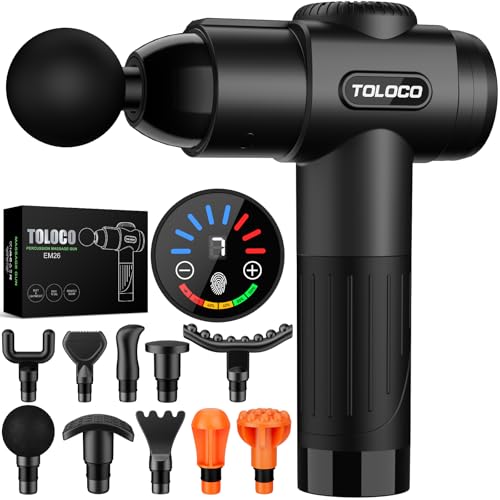
A TENS unit uses low-voltage electrical currents to block pain signals and stimulate endorphin release, making it ideal for chronic pain or acute injuries. A massage gun delivers percussive therapy to release muscle knots, improve blood flow, and reduce soreness after workouts. Choose TENS for nerve-based pain and massage gun for muscle tightness and recovery.
When you’re dealing with muscle soreness, tension, or chronic pain, two popular tools often come up: TENS units and massage guns. Both offer relief, but they work in very different ways. This article breaks down the key differences, benefits, and best uses for each, so you can choose what fits your needs. No sales pitch, just honest, practical advice.
What is a TENS Unit?
TENS stands for Transcutaneous Electrical Nerve Stimulation. A TENS unit is a small, battery-powered device that sends mild electrical impulses through electrodes placed on your skin. These impulses interfere with pain signals traveling to your brain and can stimulate the release of endorphins, your body’s natural painkillers.
TENS units are commonly used for chronic pain conditions like arthritis, back pain, or fibromyalgia, as well as for acute injuries like a pulled muscle or post-surgical pain. They are not designed for deep muscle relaxation or breaking up knots, but rather for pain management at the nerve level. Most units have adjustable intensity and modes, letting you customize the sensation from a light tingle to a strong tap.
One advantage of TENS is that it allows you to target specific areas without applying pressure, which can be helpful if the affected area is swollen or tender. Many people use TENS during physical therapy or as part of a daily pain management routine.
What is a Massage Gun?
A massage gun is a handheld device that delivers rapid, repeated bursts of pressure (percussion) into your muscle tissue. This percussive therapy helps release muscle tension, break up adhesions (knots), and improve blood flow to the area. It’s like getting a deep tissue massage, but you control the speed, pressure, and placement.
Massage guns are popular among athletes and fitness enthusiasts for pre-workout activation or post-workout recovery. They can also be used for everyday muscle tightness from sitting at a desk or poor posture. The attachments (heads) vary: some are flat for broad areas, others rounded for spots, and some fork-shaped for the spine or calves.
Unlike TENS, a massage gun applies physical pressure and motion. It’s great for releasing knotted or tight muscles, but it may not be suitable for acute injuries or inflamed areas, where pressing could worsen the condition. Most people use a massage gun for 10 to 15 minutes at a time, targeting specific muscle groups.
Key Differences: How They Work
The fundamental difference is that TENS uses electrical nerve stimulation, while massage guns use mechanical percussion to affect muscle tissue. TENS targets the nervous system to block pain signals; massage guns target the muscle fibers to physically loosen them. This means TENS is better for pain that originates from nerve pathways, while massage guns are better for physical muscle tightness and knots.
Another difference is in application. TENS requires placing electrodes on clean, dry skin and keeping them still, while a massage gun is moved over the muscle. You can use a TENS unit discreetly under clothing, making it easier to use during work or daily activities. A massage gun requires you to be in a comfortable position and actively move the device.
Safety considerations also differ. TENS should not be used over the heart, on the head, or during pregnancy. Massage guns should avoid bones, joints, and sensitive areas like the neck or spine. Both have contraindications for certain medical conditions, so check with a doctor if you have any concerns.
When to Use Each: Pain vs. Muscle Tension
Choose a TENS unit if your main issue is pain, especially if it’s nerve-based or chronic. For example, lower back pain that radiates down the leg, arthritis pain, or post-surgical pain often respond well to TENS. It’s also useful if you cannot tolerate pressure on the sore area, such as after an injury with swelling. Many people find TENS helpful for menstrual cramps or headaches.
Reach for a massage gun if you have muscle tightness, knots, or general soreness after exercise. It’s excellent for loosening up tight calves, hamstrings, or shoulders. If you feel stiff or have trigger points, a massage gun can provide immediate relief. It’s also great before a workout to activate muscles and after to reduce soreness. However, if you have a fresh injury (like a muscle tear or acute inflammation), avoid using a massage gun until the initial healing phase is over.
Some people use both tools: TENS for pain management and massage gun for muscle maintenance. But for most daily needs, one may be sufficient. Consider what you need most: pain relief or muscle release.
Which One Should You Buy?
Your choice depends on your primary goal. If you suffer from chronic pain or have an injury where pressure hurts, a TENS unit is likely more helpful. It’s also a good option if you want something you can use while doing other tasks, since the pads stay in place. TENS units are generally less expensive than massage guns and have fewer moving parts.
If you are active and regularly deal with muscle tightness or soreness from workouts, a massage gun is probably a better investment. It gives a deep, satisfying release that many people find more effective than a TENS for muscle recovery. Massage guns vary in power, weight, and battery life, so choose one that matches your typical usage. Heavier guns with stronger motors may be too intense for some users.
Ultimately, there is no one-size-fits-all answer. If you can only get one, think about which problem you face most often: pain or tightness. Some people find that a simple foam roller or stretching works for them, so you might not need either tool. But if you want a drug-free option for relief, both TENS and massage guns have their place. Always follow the instructions and start with low settings to see how your body responds.
Frequently asked questions
Can I use a TENS unit and a massage gun on the same day?
Yes, you can use both on the same day, but avoid overdoing it. Use TENS for pain management and the massage gun for muscle release on different body parts or at different times.
Is a TENS unit safe for lower back pain?
Yes, TENS is commonly used for lower back pain. Place the electrodes on either side of the painful area, avoiding the spine. Start with a low intensity and consult a doctor if you have any medical conditions.
Will a massage gun help with knots?
Yes, massage guns are effective for breaking up knots and trigger points. Use a rounded or bullet attachment to target the knot, applying moderate pressure for 30-60 seconds until the muscle releases.
Which is better for recovery after a workout?
A massage gun is generally better for post-workout recovery because it improves blood flow and reduces muscle soreness. TENS can help with post-workout pain but does not directly address muscle tightness.
Looking to buy? See our Massage Guns guides for tested picks.