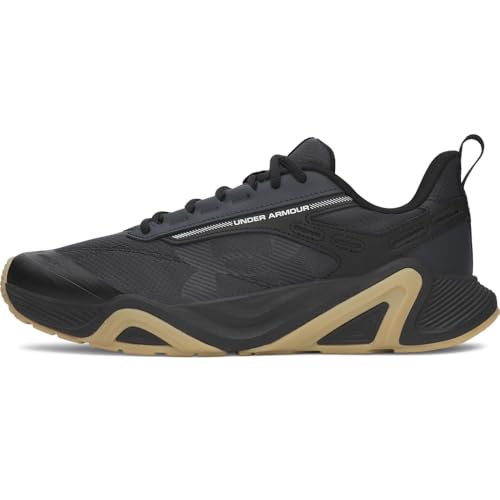
 Related pick
For leg day, choose shoes with a flat, hard sole and minimal cushioning to maximize stability and power transfer. Best options include weightlifting shoes (e.g., with a raised heel) for deep squats, or flat sneakers like Converse or Vans for deadlifts. Avoid running shoes due to their soft, unstable soles.
Leg day demands serious effort from your lower body muscles, but your choice of footwear can make or break your performance and safety. The wrong shoes can lead to poor form, reduced power, and even injury. This guide cuts through the hype to give you practical, expert advice on what to wear for squats, deadlifts, lunges, and other leg exercises. No gimmicks, just honest recommendations to help you lift better and stay safe.
Why Your Shoes Matter on Leg Day
Your feet are the foundation of every leg exercise. When you squat or deadlift, force travels from the ground up through your shoes into your body. If your shoes compress under load or have a rounded sole, you lose energy and stability. That’s why soft, cushioned running shoes are a poor choice for lifting heavy. They absorb force that should go into the movement, making you wobbly and reducing your ability to generate power.
Flat, rigid soles keep your foot stable and allow maximum force transfer. They also improve your connection to the floor, which helps with balance. For exercises like squats, a slightly elevated heel can improve ankle mobility, letting you hit depth without compromising form. The right shoes also reduce injury risk by preventing your foot from rolling or shifting under heavy weight.
The Case for Adidas Powerlift 5 Adidas Powerlift 5 Weightlifting Shoes
Weightlifting shoes are the gold standard for leg day if you do a lot of squats. They typically have a raised heel (0.5 to 0.75 inches) made of hard wood or plastic, which helps you maintain an upright torso in deep squats. The elevated heel compensates for limited ankle dorsiflexion, allowing you to squat deeper without falling backward. Many lifters find this improves their squat form and reduces lower back strain.
These shoes also have a wide, flat base and straps or laces that lock your foot in place. This eliminates unwanted foot movement inside the shoe. For heavy front squats, back squats, overhead squats, or even leg presses, weightlifting shoes provide unbeatable stability. If you regularly squat with significant weight, they are a worthwhile investment. However, they’re not ideal for deadlifts because the raised heel shifts your center of gravity forward, which can throw off your pulling mechanics.
Flat Shoes: The Versatile Choice for Deadlifts and More
For deadlifts, flat shoes are the best option. A zero drop sole keeps your foot in a natural, flat position, which helps you push through your whole foot and maintain balance. Many lifters use classic sneakers like Converse Chuck Taylors or Vans Old Skools. These have a thin, hard rubber sole that doesn’t compress under heavy loads. They’re affordable, widely available, and serve the purpose well for deadlifts, Romanian deadlifts, and hip thrusts.
Some people prefer minimalist shoes like Vibram FiveFingers or barefoot-style trainers for an even more grounded feel. These allow your toes to spread naturally and can improve foot strength over time. However, they take getting used to and may not provide enough protection if you drop weights on your feet. If you do a mix of squatting and deadlifting, you might switch between weightlifting shoes and flat shoes, or use flat shoes for everything if your ankle mobility is good.
When to Train Barefoot or Use Deadlift Slippers
Training barefoot is a popular option for leg day, and for good reason. Going barefoot gives you the most direct connection to the floor and allows your foot’s natural arch and muscles to work freely. This can improve balance and proprioception. Many gyms allow barefoot training, but check your facility’s rules. Keep in mind that bare feet can be slippery on some surfaces, and you risk stubbing toes or dropping weights on unprotected feet.
Deadlift slippers are a middle ground. They are thin, flexible, and flat, offering protection while mimicking barefoot mechanics. They often have a split sole for better flexibility. These are popular among serious powerlifters but may not be necessary for general fitness. If you prefer being barefoot but want a little protection, slippers are a good choice. For most lifters, flat sneakers are sufficient for deadlifts and other pulling movements.
Shoes to Avoid and Common Mistakes
The most common mistake is wearing running shoes for leg day. Running shoes have thick, compressible midsoles and are designed for forward motion, not lateral stability. When you squat, the cushion compresses unevenly, making your feet unstable and reducing your power. Similarly, shoes with a lot of arch support can interfere with your natural foot mechanics during lifts. Avoid high top basketball shoes too, as they often have ankle padding that can limit dorsiflexion.
Another mistake is wearing worn out or overly flexible shoes. If your shoes have lost their shape or the sole bends easily, you’ll lose stability. Also, avoid shoes with a prominent heel drop (more than 5mm) for leg day. The goal is a flat, stable platform. If your gym bag has multiple pairs, rotate based on exercise: weightlifting shoes for squats, flat shoes for deadlifts. If you can only have one pair, choose flat, hard soled shoes like Converse or a basic cross trainer with minimal cushioning.
Frequently asked questions
Can I wear running shoes for leg day?
Running shoes are not recommended for leg day because their thick, cushioned soles absorb force and reduce stability. This can compromise your form and increase injury risk during heavy lifts.
What is the best shoe for squats?
Weightlifting shoes with a raised heel are best for squats. They improve ankle mobility and keep your torso upright, allowing deeper squats with better form.
Are Converse or Vans good for deadlifts?
Yes, flat canvas sneakers like Converse Chuck Taylors or Vans Old Skools are excellent for deadlifts. Their thin, hard sole provides a stable platform and maximizes power transfer.
Should I go barefoot for leg day?
Going barefoot can improve foot strength and stability, but it carries risks like stubbed toes or slipping. Check gym rules and consider deadlift slippers for protection.
Looking to buy? See our Footwear guides for tested picks.