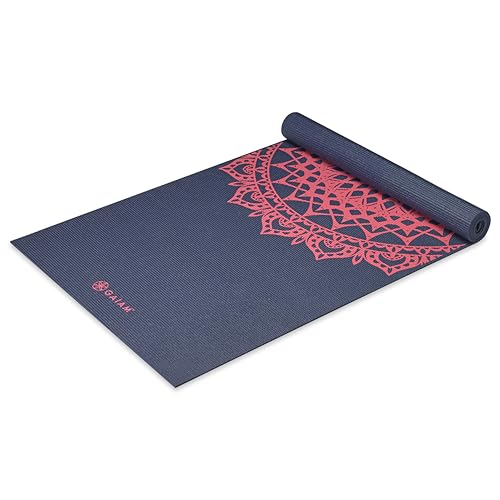
Your yoga mat slips due to moisture (sweat or humidity), surface incompatibility (slick floors), or mat material wear. Sweat creates a film between mat and floor, while smooth floors lack grip. An old mat loses its texture. Try a towel, mat spray, or a mat with better grip like rubber or jute.
You’re in downward dog, starting to find your flow, and then your hands slide forward. Your mat bunches up under your feet. It’s frustrating, distracting, and can even be unsafe. A slipping yoga mat is one of the most common complaints among practitioners, from beginners to seasoned yogis. But the good news is that the fix is often simple. In this article, we’ll break down exactly why your mat slips and what you can do to create a stable, grippy foundation for your practice.
The Main Culprits: Moisture and Surface Issues
The most frequent reason for a slipping yoga mat is moisture. This can come from your own body (sweaty hands and feet) or from the environment (a humid room, a damp floor, or even a freshly cleaned studio). When you sweat, your palms and soles create a thin film of moisture between your skin and the mat. This reduces friction, making your hands and feet slide. Similarly, if the floor beneath your mat is damp or if you practice on a high-pile carpet, the mat may not grip properly.
Another major factor is the surface you place your mat on. Yoga mats work best on hard, clean, dry floors like hardwood, tile, or low-pile carpet. On high-pile carpet, the mat can shift because the carpet fibers don’t provide a stable base. Even on hard floors, dust, dirt, or residue from cleaning products can create a slippery layer. So if your mat moves around, check the floor first. A quick sweep or mop (with a yoga-safe cleaner) can make a big difference.
Mat Material Matters: PVC, Rubber, and More
Your mat’s material is a major determinant of its grip. PVC mats are common because they are durable and affordable, but they can become slippery when wet. Some PVC mats have a textured surface to improve grip, but once that texture wears down, slipperiness returns. Natural rubber mats offer excellent grip, even when you sweat, because rubber is inherently tacky. However, rubber can be sensitive to heat and may have a strong smell at first.
Tpe (thermoplastic elastomer) mats are lightweight and eco-friendly, with a slightly spongy feel. They provide decent grip but can be less durable. Jute or cotton mats are often used as travel or hot yoga options, but they can absorb moisture and become heavy. For hot yoga, a mat with a microfiber top layer or a towel on top is a popular solution. If you have a mat that slips, consider whether its material is right for your practice style and environment.
The Age and Condition of Your Mat
Even the best yoga mat doesn’t last forever. Over time, the surface wears down, losing its original texture. This is especially true for PVC mats that get used frequently. The top layer can become smooth and shiny, reducing friction. If your mat is a few years old and has started slipping, it might be time for a replacement. Look for signs of wear like shiny spots, thin areas, or unevenness.
Another factor is cleanliness. Dirt, oil, and dead skin cells build up on your mat over time, creating a layer that reduces grip. Regular cleaning can restore some of the mat’s original texture. Most mats can be wiped down with a mild soap and water solution or a dedicated mat cleaner. Avoid harsh chemicals, as they can damage the mat’s surface. If you practice a lot, clean your mat at least once a week.
Practical Fixes That Actually Work
Before you buy a new mat, try these simple solutions. First, use a yoga towel. A towel designed for yoga, often with silicone dots or a grippy backing, can absorb sweat and prevent slipping. Place it on top of your mat or on specific areas where you slip (like under your hands during downward dog). Second, try a mat spray. You can buy one or make your own with water and a drop of liquid soap (or even just water). A light mist on your hands and feet before practice can increase grip. Some people also use a drop of essential oil for a nice scent, but be careful not to overdo it.
Third, check your alignment. Sometimes slipping happens because of how you place your hands or feet. In poses like downward dog, spread your fingers wide and press firmly through your entire hand, not just the base. For your feet, press through the ball and heel evenly. Engage your muscles to take some weight off your palms. If you still slip, a little bit of rosin or chalk (like gymnasts use) can help dry your hands. But avoid using too much, as it can leave residue.
When to Invest in a Different Mat
If you’ve tried cleaning, towels, and sprays and your mat still slips, it may not be the right mat for you. Consider your specific needs: do you practice hot yoga? Do you have sweaty hands? Do you practice on carpet or hard floors? For hot yoga, a mat with a microfiber top or a natural rubber mat is a good choice. For general practice on hard floors, a high-quality PVC mat with a textured surface or a rubber mat will provide stability. If you have joint sensitivity, a thicker mat (5-6mm) can offer cushion, but thicker mats can sometimes be less stable on certain surfaces.
Read reviews from other yogis who have similar concerns. Look for terms like “grip,” “non-slip,” and “stable.” If possible, test a mat at a studio before buying. A good mat is an investment in your practice, but it doesn’t have to break the bank. Focus on functionality and how the mat feels for you, rather than brand or price. With the right mat, you’ll spend less time adjusting and more time enjoying your practice.
Frequently asked questions
Can I use a regular towel on my yoga mat?
A regular towel can work in a pinch, but it may bunch up or slip itself. Yoga towels are designed with grippy backs or silicone dots to stay put, so they are a safer and more effective option.
Why does my mat slip on carpet?
Carpet fibers don't provide a stable, flat surface for your mat to grip. The mat can shift because the fibers move underneath it. Try using a non-slip rug pad under your mat or look for a mat with better grip on carpet.
How often should I clean my yoga mat?
It depends on how often you practice. If you practice daily, clean it once a week. If you practice less often, every two to three weeks is fine. Always let it air dry completely before rolling it up.
Will a thicker yoga mat be less slippery?
Not necessarily. Thicker mats (over 6mm) can be less stable on uneven surfaces because they compress differently. They may also be more prone to slipping on carpet. Focus on material and texture rather than thickness for grip.
Looking to buy? See our Yoga Mats guides for tested picks.