 Related pick
Start with a few versatile basics: an adjustable bench, a set of dumbbells or kettlebells, a barbell with plates, and a pull-up bar. Add resistance bands, a yoga mat, and cardio like a jump rope. Focus on compound movements to get the most from minimal gear.
Building a home gym can feel overwhelming with all the options out there. But the truth is, you don’t need a warehouse of machines to get fit. A smart, minimalist setup with the right core pieces lets you do effective workouts without breaking the bank or cluttering your space. Let’s break down what you actually need, what’s optional, and how to choose wisely.
The Foundation: Barbells, Plates, and a Squat Rack
If your goal is strength training, a barbell and a set of weight plates are the backbone of any serious home gym. An Olympic barbell (typically 45 lbs for men, 35 lbs for women) with standard 2-inch diameter plates gives you the most versatility. Start with a set that includes at least 255-300 lbs of plates to allow for progression. Rubber bumper plates are quieter and protect your floor, but iron plates are cheaper if noise and floor damage aren’t concerns.
A squat rack or power rack is a big investment, but it’s crucial for safety when doing heavy squats, bench presses, or overhead presses. Look for one with J-hooks and safety spotter arms. If space or budget is tight, a squat stand with safety bars can work, but a full rack is more secure. Alternatively, a pair of sturdy squat stands can be used for benching and squatting if you’re not maxing out.
Don’t forget a bench. An adjustable bench allows you to do flat, incline, and decline presses, plus seated dumbbell work. Look for one that’s stable and can support at least 300 lbs. A flat bench is cheaper but less versatile.
Versatile Dumbbells and Kettlebells
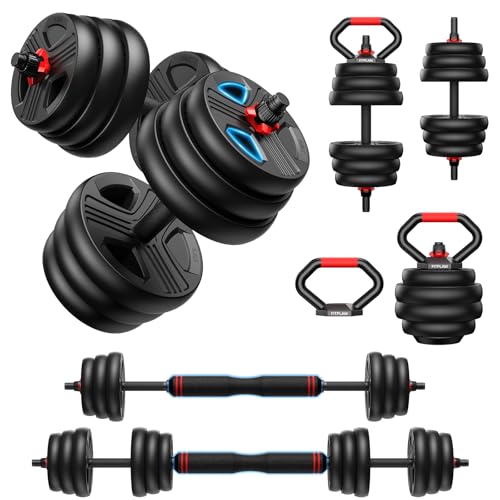
Dumbbells are arguably the most versatile home gym equipment. They allow for unilateral work, which fixes imbalances, and they take up less space than a barbell setup. Adjustable dumbbells are a space-saving choice: models that go from 5 to 50-80 lbs per dumbbell can replace a whole rack. However, they can be slow to change weight and may not feel as solid as fixed dumbbells. For heavy lifters, a set of fixed dumbbells from 10 to 50 lbs in 5 lb increments is ideal, but that’s more space and cost.
Kettlebells offer a different dynamic. They excel for ballistic movements like swings, cleans, and snatches, which build explosive power and cardio. A single kettlebell (35 lbs for women, 53 lbs for men) can be a great start. For most home users, one or two kettlebells complement dumbbells well. If you can only choose one, dumbbells are more versatile for traditional exercises, but kettlebells are better for dynamic work.
Resistance bands are cheap and take no space. They’re great for warm-ups, glute activation, adding variable resistance to lifts, and doing banded pull-ups. Get a set with different tensions. Loops are more useful than long bands for most home uses.
Bodyweight Essentials: Pull-Up Bar and Mat
A pull-up bar is one of the most effective pieces of equipment you can own. It targets your back, biceps, and core. Choose a doorway pull-up bar that’s easy to install and remove, or a wall-mounted one if you want more stability. If you can’t do a full pull-up yet, resistance bands can assist you (loop them over the bar and under your knees).
A good exercise mat is not just for yoga. It protects your floor from dropped weights and provides cushion for floor exercises like planks, push-ups, and ab work. Look for a thick mat (6-8mm) that’s large enough for your whole body. A simpler, cheaper option is a puzzle mat, but it can slide. A high-density TPE or rubber mat is best.
Add a couple of floor sliders (or use towels on hardwood) for glute ham exercises, mountain climbers, and core work. They’re inexpensive and add variety to your routine.
Cardio and Conditioning Gear
For cardio, a jump rope is the king of compact, cheap tools. A speed rope is ideal for most people, but a weighted rope can add resistance. Make sure it’s adjustable for your height. Jumping rope for 10 minutes is equivalent to 30 minutes of jogging in terms of calorie burn.
If you have more space, a rowing machine or an assault bike are excellent options. Rowing works your whole body and is low impact. An air bike also provides full-body high intensity intervals. Both are pricey and take space, so only buy if you know you’ll use them. A cheaper alternative is a simple spin bike, but it’s less engaging for full-body work.
For low-impact cardio, consider a walking pad (under-desk treadmill) if you work from home, but that’s more of a convenience than a necessity.
Storage, Flooring, and Accessories
Proper storage keeps your gym organized and protects your gear. A simple weight tree for plates, a dumbbell rack, and a bar holder can be bought or DIY’d. For flooring, rubber mats (like stall mats from farm supply stores) are the best value. They absorb impact, protect your floor, and reduce noise. Lay them in the area where you’ll lift weights.
Other accessories: a foam roller or massage gun for recovery, lifting chalk for grip, and a gym bag to keep things tidy. A full-length mirror helps with form checking. But don’t go overboard; start with the basics and add as you identify needs.
Remember, the best home gym is the one you actually use. Focus on compound lifts (squat, deadlift, bench, overhead press, pull-ups) with minimal gear, and you’ll get results without a massive setup.
Frequently asked questions
How much weight should I start with for a home gym?
Start with enough weight to challenge you for several months. For barbells, 255-300 lbs total is typical. For dumbbells, 5-50 lbs per hand is a good range for most people.
Can I get a good workout without a squat rack?
Yes, but safety is key. Without a rack, you are limited to weights you can clean and press or floor presses. A rack is strongly recommended for heavy squats and bench presses.
Are adjustable dumbbells as good as fixed dumbbells?
They are close for most exercises, but they may feel bulkier and take longer to adjust. For heavy lifts or quick drops, fixed dumbbells are better. Adjustable are great for saving space.
What is the most important piece of home gym equipment?
A barbell and plates, or a set of dumbbells, depending on your goals. Both allow for the most compound movements. A pull-up bar is also highly valuable for upper body strength.
Looking to buy? See our Strength Training guides for tested picks.