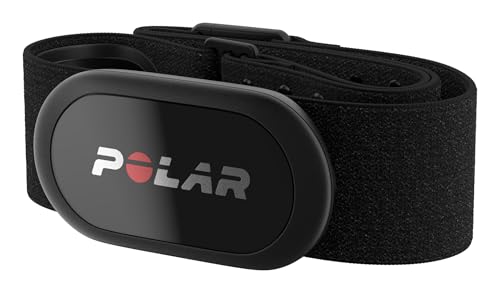
Chest straps are more accurate for steady state and high intensity exercise because they measure electrical signals directly from the heart. Wrist monitors offer convenience and comfort for all day wear but can lag during interval training or weight lifting.
Choosing between a chest strap and a wrist heart rate monitor often comes down to a trade off between accuracy and convenience. Both have strengths and weaknesses, and the right choice depends on your specific fitness goals and the type of exercise you do most. Here is a no nonsense breakdown to help you decide.
How Chest Strap and Wrist Heart Rate Monitors Work
Chest straps use electrocardiography (ECG or EKG) to detect the electrical signals generated by your heart. Two electrodes on the strap pick up this signal and transmit it to a receiver, like a watch or phone. This method has been the gold standard for decades, used in clinical settings and sports science labs.
Wrist heart rate monitors, also called optical heart rate sensors, shine a light through your skin and measure changes in blood volume. An optical sensor detects the slight expansion and contraction of blood vessels with each heartbeat. This is the technology found in most smartwatches and fitness trackers.
The fundamental difference is direct electrical signal vs. optical blood flow. This difference explains most of the accuracy and reliability differences you will experience during workouts.
Accuracy During Different Types of Exercise
For steady state cardio like jogging, cycling, or using an elliptical, both chest straps and wrist monitors can produce similar results. The wrist sensor works well when your arm is moving rhythmically and there is minimal impact. However, during high intensity interval training (HIIT), weightlifting, or activities with rapid arm motion, chest straps maintain consistent accuracy while wrist monitors can lag or miss beats entirely.
During weightlifting, wrist monitors often struggle because the muscles and tendons flex, bending the wrist and changing blood flow patterns. This can cause the watch to read closer to your cadence than your actual heart rate. Chest straps, being placed on the torso, are not affected by arm movement or muscle flexion.
Another scenario where chest straps outperform is during sudden heart rate changes. For interval training, the chest strap captures the spike almost instantly, while wrist monitors can have a delay of 10 to 30 seconds. If you rely on real time heart rate data to adjust effort, that delay matters.
Comfort, Fit, and Everyday Use
Wrist monitors win on comfort and convenience. You wear them like a watch, which many people find comfortable enough for 24/7 wear. There is nothing to strap around your chest, no potential chafing, and no extra piece of gear to remember. For all day activity tracking and sleep monitoring, wrist monitors are the practical choice.
Chest straps can be mildly uncomfortable, especially for those with larger chests or sensitive skin. The elastic band needs to be snug to maintain good contact, which can cause chafing during long runs or hot weather. Some people also feel self conscious wearing a strap under their clothes.
If you want continuous heart rate data throughout the day and night, a wrist monitor is far more practical. If you only care about accurate data during workouts, a chest strap can be put on just for gym sessions and removed after, minimizing discomfort.
Battery Life and Durability
Wrist monitors typically need charging every few days to two weeks, depending on features like GPS, screen brightness, and continuous HR monitoring. Many smartwatches last 24 to 72 hours with all sensors on. Charging becomes another routine to manage.
Chest straps use small coin cell batteries that last 6 to 12 months, saving you from frequent charging. However, the batteries are not rechargeable and need replacing. The strap itself can wear out over time, especially the elastic band and the snap connectors. They can also fail if the electrodes dry out or get dirty.
For durability, wrist monitors are generally more robust as they are built to be worn daily. Chest straps are more delicate and require care like rinsing after use to prevent sweat corrosion. In terms of long term reliability, a good wrist monitor may outlast several chest straps.
Which One Is Right for You?
If you are a runner, cyclist, or someone who does steady state cardio and values simplicity, a wrist monitor is likely enough. It tracks your heart rate reasonably well and gives you other smart features. For most general fitness enthusiasts, the wrist monitor is the better all around choice.
If you are training for performance, do interval training, heavy lifting, or any activity where heart rate accuracy is critical, go with a chest strap. Rowers, CrossFitters, and competitive athletes will benefit from the instantaneous and reliable data. Serious runners who train by heart rate zones should also choose a chest strap.
Many athletes actually use both: a wrist monitor for daily tracking and a chest strap for workouts. Most modern watches can pair with an external chest strap, giving you the best of both worlds. That combination offers convenience with on demand accuracy when you need it most.
Frequently asked questions
Is a chest strap more accurate than a wrist monitor?
Generally yes, especially during high intensity intervals and weightlifting. Chest straps detect electrical heart signals directly, while wrist sensors rely on blood flow through the skin, which can be disrupted by movement.
Can I wear a chest strap all day?
Most people find chest straps uncomfortable for all day wear due to the snug fit and potential chafing. They are designed for use during exercise only.
Do wrist heart rate monitors work for swimming?
Many wrist monitors are waterproof and work for pool swimming, but they can lose accuracy due to water interference and arm motion. Chest straps are generally more reliable for swimming.
Should I buy both a chest strap and a wrist monitor?
It can be a good idea if you want convenience for daily tracking and maximum accuracy during workouts. Most watches can pair with an external chest strap.
Looking to buy? See our Heart Rate Monitors guides for tested picks.