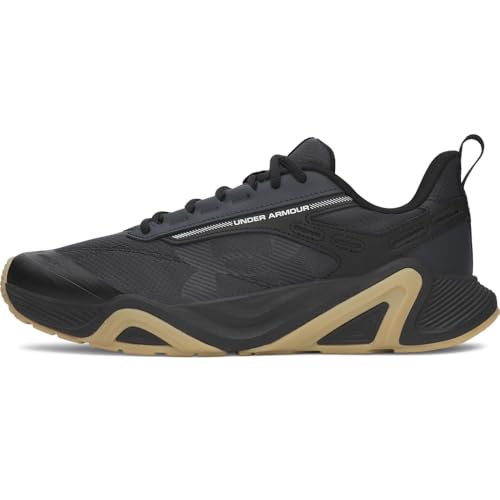
 Related pick
Barefoot shoes strengthen feet and improve natural movement, while training shoes provide cushioning and support for high-impact activities. Choose barefoot for low-impact training and daily wear; opt for training shoes for heavy lifting or running.
When you walk into a gym or browse activewear online, you face a choice between two very different footwear philosophies: barefoot shoes and traditional training shoes. Each has its own purpose, benefits, and drawbacks. This guide breaks down the differences so you can choose what fits your body and your workouts.
What are barefoot shoes?
Barefoot shoes, also called minimalist shoes, are designed to mimic the experience of walking or running barefoot. They have a thin, flexible sole that allows you to feel the ground beneath you. The toe box is wide so your toes can splay naturally, and there is no arch support, heel lift, or cushioning. The goal is to let your foot move and function the way evolution intended.
These shoes are popular for activities like weightlifting, yoga, Pilates, and short distance running. They are also used for everyday walking and standing. Many people find that wearing barefoot shoes strengthens the muscles in their feet, improves balance, and encourages better posture. If you are new to barefoot shoes, you may need a transition period to let your feet and lower legs adapt.
What are training shoes?
Training shoes, sometimes called cross trainers, are designed to support a wide range of gym activities. They have a moderately cushioned sole, some arch support, and a snug fit that helps stabilize your foot during lateral movements, jumps, and lifts. The heel is often slightly elevated relative to the toe, which is known as a drop. This drop can help reduce strain on the Achilles tendon and calves.
These shoes are built for versatility. You can wear them for weightlifting, cardio machines, bodyweight exercises, and even short runs. The cushioning absorbs impact from jumping and running, while the support helps prevent your foot from rolling too far inward or outward. For most people doing general gym workouts, training shoes offer a balanced mix of comfort and function.
Key differences every athlete should know
The most significant difference is the amount of ground feel and support. Barefoot shoes give you almost no cushioning, so you feel every pebble and texture. This feedback helps your brain make split second adjustments to your stride and stance. Training shoes, on the other hand, soften that feedback and provide a stable platform. They also limit how much your foot can move, which can reduce the risk of certain injuries but can also weaken your foot muscles over time.
Another difference is the heel to toe drop. Training shoes usually have a drop of 4 to 12 millimeters, which tilts your pelvis forward slightly and can change your squat and deadlift mechanics. Barefoot shoes have zero drop, meaning your heel and forefoot are at the same level. This can help you maintain a more upright torso during lifts, but it also places more demand on your ankle mobility and calf flexibility. Your choice affects how your body aligns under load.
Which is better for weightlifting?
For heavy weightlifting like squats, deadlifts, and cleans, barefoot shoes offer a distinct advantage. The thin, flat sole gives you a stable base that is close to the floor. This can improve your balance and force transfer from your legs to the barbell. Many elite lifters use minimalist shoes or lift in socks for this reason. However, if you have limited ankle mobility, the zero drop of barefoot shoes may make deep squats harder.
Training shoes with a slight heel lift can help if your ankles are tight. They also provide more lateral support for exercises like lunges or side steps. For general strength training, either type can work, but barefoot shoes require stronger feet and better mobility. If you are just starting out, a flat training shoe with minimal cushioning can be a good middle ground. Listen to your body and choose based on your personal comfort and mobility.
How to transition safely to barefoot shoes
If you have worn traditional shoes your whole life, your feet and calves are likely weaker and tighter. Switching to barefoot shoes overnight can lead to pain or injury. Start by wearing them around the house for short periods, then for walks. Gradually increase the time as your feet adapt. Pay attention to any discomfort, especially in your arches or Achilles tendons.
During workouts, start with low impact activities like bodyweight squats, deadlifts, or walking lunges. Avoid jumping or running until your feet feel strong. Incorporate foot strengthening exercises like toe spreads, short foot exercises, and calf stretches. Patience is key. Many people take weeks or months to fully transition. If you experience persistent pain, mix in your training shoes until your body is ready for more.
Frequently asked questions
Can barefoot shoes help with flat feet?
Barefoot shoes can strengthen the muscles in your feet, which may improve arch support over time. However, they do not provide the arch support that some people need for immediate comfort.
Are training shoes bad for your feet?
Training shoes are not bad, but wearing them exclusively can weaken your foot muscles because they provide a lot of support. It is a good idea to vary your footwear and spend some time in minimalist options.
Can I run in barefoot shoes?
Yes, but you need to transition slowly. Barefoot running encourages a forefoot strike, which reduces impact but demands stronger calves and Achilles tendons. Start with very short distances.
Which type is better for daily wear?
It depends on your activities and feet. Barefoot shoes are great for strengthening and natural movement, while training shoes offer more cushioning for walking on hard surfaces all day.
Looking to buy? See our Footwear guides for tested picks.