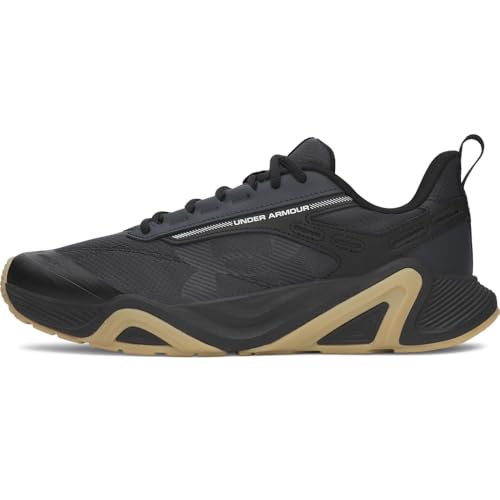
 Related pick
For high impact workouts, choose shoes with responsive cushioning, stable platforms, and secure uppers. Look for high stack heights with foam like EVA or polyurethane, external heel counters for stability, and herringbone patterns for traction. Avoid minimalist shoes; prioritize support and shock absorption.
High impact workouts like HIIT, plyometrics, and box jumps demand shoes that can handle repetitive landing and explosive movements. The right pair protects your joints and improves performance. This guide cuts through marketing hype to give you honest advice on what actually matters in a high impact shoe.
What Makes a Shoe Suitable for High Impact Workouts
High impact workouts put stress on your feet, ankles, knees, and hips. A good shoe must absorb shock effectively while providing stability for lateral moves. The key is cushioning that is soft enough to dampen impact but firm enough to avoid feeling mushy during push-offs. Most quality options use a thick midsole of EVA (ethylene vinyl acetate) or polyurethane foam. Advanced foams like Nike’s React or Adidas Boost offer good energy return without bottoming out.
Stability is equally critical. Look for a shoe with a wide base and a firm heel counter that wraps your heel snugly. This prevents excessive rolling during landing and quick cuts. Outsoles should have durable rubber with multidirectional tread, often herringbone or multi-surface patterns. Mesh uppers are fine for breathability, but make sure they have overlays or a snug fit to keep your foot locked in place.
Drop (heel-toe offset) matters too. A drop of 8-12mm is common for high impact because it encourages heel striking, which uses the shoe’s cushioning. Lower drops (0-4mm) shift impact to the midfoot and require stronger calves and achilles. For most people, a moderate drop is safer for shock absorption. Remember: the best shoe is the one that fits your foot shape and feels comfortable from the start. There is no break-in needed for modern foam midsoles.
Cushioning: Why Responsiveness Matters More Than Softness
Many people think a super soft shoe is best for impact. That is not true. A marshmallow-soft sole compresses too much, making you unstable and wasting energy on takeoffs. The ideal cushioning is responsive: it gives on landing but springs back quickly. Look for terms like ‘bouncy’, ‘energetic’, or ‘trampoline effect’ in reviews. Polyether block amide (PEBA) foams, often branded as Pebax or similar, offer excellent resilience but are expensive.
Stack height, the amount of foam between your foot and the ground, typically ranges from 20mm to 40mm for training shoes. High stack shoes (30mm+) provide more shock absorption but can feel unstable if not designed well. Mid stack (20-30mm) strikes a balance. Avoid overly tall stacks (over 40mm) unless you have prior experience. Also, consider dual-density midsoles: a firmer core for stability surrounded by softer foam for comfort. This design is common in quality trainers.
Not all foam is created equal. EVA is lightweight and cheap but wears out faster. Polyurethane is heavier but more durable. TPU (thermoplastic polyurethane) beads, like in Adidas Ultraboost, offer good durability and energy return. If you exercise three times a week, expect the cushioning to lose 20-30% of its bounce after 6-12 months. Replace your shoes when you feel more impact in your joints or see visible creasing in the midsole.
Stability Features for Lateral Movements and Landings
High impact workouts are not just straight ahead. You twist, cut, and land at odd angles. That is why stability features are non-negotiable. An external heel counter, a plastic or firm foam piece wrapping the heel, locks your rearfoot in place. Check by squeezing the back of the shoe; it should be stiff. Some shoes have a wider outsole flaring out at the heel and forefoot, which broadens the base and resists tipping.
Medial (arch side) posts or firmer foam under the arch help prevent overpronation, where your foot rolls inward too much. This reduces stress on your knees and plantar fascia. If your arch collapses upon landing, look for a shoe with guidance features like a medial post or a structured midsole that is firmer on the inside. Neutral shoes are fine if your feet do not roll excessively. You can check your wear pattern on old shoes: excessive wear on the inside edge signals you need stability.
Upper design also affects stability. A shoe that is too flexible in the toe box can allow your foot to slide forward during toe-off. Look for a snug heel fit (no slipping) and a lacing system that lets you tighten the midfoot independently from the toes. Some shoes use a lacing eyelet that wraps around the heel (called a lace lock or runner’s loop) to extra secure the heel. Sock-like uppers may be comfortable but often lack structure; a traditional overlayed mesh offers better lockdown.
Outsole and Traction: Gripping Without Slipping
Traction is vital for explosive movements. You do not want your foot sliding inside the shoe or the shoe slipping on the floor. Look for rubber outsoles with multidirectional lugs. Herringbone patterns, common on basketball shoes, grip well in all directions. Some brands use segmented rubber strips that flex with your foot, but make sure the gaps are not too deep, or pebbles may get stuck. The rubber compound matters: carbon rubber is the most durable, then blown rubber, and then solid rubber.
Indoor vs. outdoor is a consideration. For gym floors, softer rubber (like gum rubber) gives more grip but wears faster outdoors. For outdoor concrete or asphalt, harder rubber lasts longer. Many cross training shoes use a hybrid outsole that handles both decently but excells at neither. If you primarily work out on turf, look for nubs or small studs. For wood courts, avoid dark rubber that leaves marks.
Don’t overlook the toe bumper. A rubber wrap going up at the front of the shoe protects the mesh during drags and push-ups. This is common on training shoes. If you do burpees or mountain climbers, a reinforced toe gets worth it. Similarly, the outsole should extend slightly at the lateral (outside) heel and medial toe to support landing and push-off. A flat forefoot area helps with movements like skater squats.
Fit Considerations Specific to High Impact Training
In high impact workouts, your feet swell and move inside the shoe. Therefore, a proper fit is crucial. Go for a thumb’s width of space from your longest toe to the end of the shoe. Your heel should not lift more than 1/8 inch when you walk. Try the shoes at the end of the day when feet are largest. Wear the socks you plan to exercise in. If your foot slides forward on landing, the shoe is too big; if your toes jam the front, too small.
Width is often overlooked many train in shoes that are too narrow. High impact can exacerbate conditions like bunion pain or metatarsalgia. If your foot spreads naturally, look for shoes in wide sizes or brands known for roomier toe boxes (like New Balance or Altra). Avoid shoes that squeeze your toes; you need them to splay for stability. Lacing can adjust midfoot volume but not toe width.
Durability is a fit concern over time. As cushioning compresses, the shoe’s internal volume can change. A shoe that fit perfectly new may become too loose after 6 months. Replace your shoes every 300-500 miles or when you notice decreased shock absorption. Listen to your body: if you start feeling shin splints or knee pain, the shoes likely need retirement. Rotating two pairs also extends their life and lets foam decompress between workouts.
Frequently asked questions
Can I use running shoes for high impact workouts?
Running shoes are designed for forward motion and often lack lateral stability needed for side-to-side moves. They can work for jump rope but may roll during lunges. Dedicated cross trainers or training shoes are safer.
How often should I replace high impact workout shoes?
Replace them every 300-500 miles of use, or every 6-12 months if used 3 times per week. Signs include visible midsole creasing, decreased bounce, or new joint pain after workouts.
Are minimalist shoes good for high impact?
Minimalist shoes have very little cushioning and require strong foot and leg muscles to absorb shock. They are not recommended for beginners or high impact workouts unless you have gradually adapted over months.
What is a good heel-toe drop for jumping?
An 8-12mm drop encourages heel striking which uses the shoe's cushioning. Lower drops can increase calf strain. Most people manage well with a moderate drop around 8-10mm for general high impact training.
Looking to buy? See our Footwear guides for tested picks.