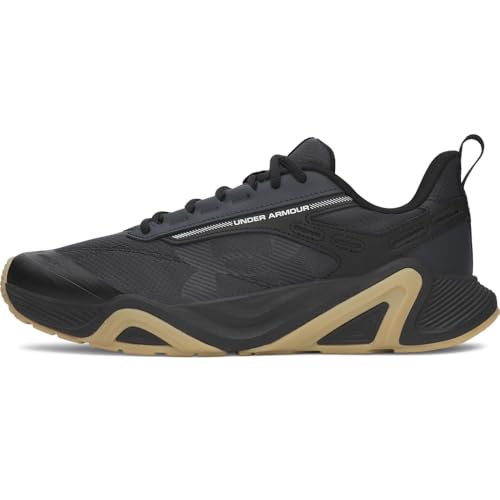
 Related pick
For HIIT, choose cross-training shoes with flat, stable soles, low heel-to-toe drop, and good lateral support. They should handle jumping, sprints, and agility drills without sacrificing comfort. Avoid running shoes; they lack stability for side moves.
High Intensity Interval Training (HIIT) is demanding on your body and your footwear. The right shoes can make or break your workout, affecting performance and injury risk. Whether you’re doing box jumps, sprints, burpees, or kettlebell swings, you need shoes that provide stability, traction, and support for multidirectional movement. We’ll break down what to look for and which types of shoes work best for different HIIT styles.
Why HIIT requires specific footwear
Unlike steady state running or weightlifting, HIIT involves explosive, multidirectional movements: jumping, lunging, cutting, and sprinting. Running shoes are designed for forward motion and often have thick, cushioned heels that can make you unstable during lateral moves. Lifting shoes have raised heels for squats but lack flexibility for jumps. Cross training shoes bridge this gap with a flat, firm sole for stability, low heel drop for natural movement, and enough cushion for impact.
Wearing the wrong shoes increases your risk of ankle sprains, stress fractures, and knee pain. A stable base helps you maintain proper form during dynamic exercises. The outsole should provide traction on gym floors without being too grippy for pivoting. Breathability is also key since HIIT will make you sweat.
Your foot type matters too. Flat feet need more arch support, while high arches need more cushion. But for most HIIT, a moderately supportive, neutral cross trainer works well.
Key features to look for in HIIT shoes
First, a low heel to toe drop (0 4mm) promotes natural foot strike and stability. Thick heels from running shoes can cause you to rock forward during squats. A flat, wide base gives you a solid platform for lifting and jumping. Look for a non compressive midsole that won’t feel squishy during side shuffles.
Upper material should be breathable mesh or knit, with overlays for durability. Avoid mesh that is too stretchy; the shoe should hold your foot securely during lateral cuts. A heel counter that locks your heel in place prevents blisters. Also consider a rubber outsole with pattern that grips but allows pivot.
Cushioning is a balance: too much feels unstable, too little can be uncomfortable for high impact moves like jump squats. Aim for moderate cushioning that absorbs shock without sacrificing ground feel. Some brands offer specific HIIT models with reinforced side walls for lateral support.
Best shoe types for different HIIT styles
For HIIT that emphasizes lifting (like kettlebell swings or weighted lunges), choose a shoe with a firmer sole and slight heel lift (4 6mm) if you squat deep. But for general HIIT, a flat cross trainer is safer. If your HIIT includes a lot of jump roping or box jumps, look for extra forefoot cushioning. For classes like Barry’s Bootcamp or OrangeTheory, which mix treadmills and floor work, you need a shoe that handles both running and lateral moves.
For outdoor HIIT on grass or concrete, choose cross trainers with more aggressive tread and durable outsole. Avoid minimalist shoes if you are new to HIIT; they require strong feet and can lead to injury if not adapted gradually. For HIIT yoga fusion classes, flexibility in the forefoot helps with balance poses.
Consider your foot strike: if you land heavily on your heels, a slightly higher drop (4 6mm) may reduce impact. But for most, a low drop is best. Your weight also affects cushioning needs; heavier athletes may need more shock absorption.
Common mistakes when choosing HIIT shoes
One big mistake is using old running shoes for HIIT. Running shoes break down in the midsole, losing shock absorption, and the outsole may be worn unevenly leading to instability. Even new running shoes often lack lateral support. Another error is buying shoes that are too tight or too loose; HIIT requires a snug fit to prevent sliding, but you need toe room for jumping.
Skipping the insole swap is another oversight. Many cross trainers come with basic insoles; if you have flat feet or high arches, replace them with custom orthotics for better support. Also, ignoring break in time can cause blisters. Wear new shoes for a few light sessions before a full HIIT class.
Don’t choose style over function. Neon colors won’t improve your performance. And avoid minimal drop shoes if you have Achilles issues; they can aggravate that area. Finally, don’t assume one shoe fits all; your feet change over time, and different HIIT workouts may require different shoes.
How to care for your HIIT shoes
HIIT shoes take a beating. To maximize their life, rotate between two pairs if you workout daily. This allows the foam to decompress between sessions. Remove insoles after each use to air out moisture. Machine washing can ruin shoes; spot clean with mild soap and water instead.
Check the outsole for wear patterns. If the rubber is smooth on one side, you may be pronating or supinating excessively. Replace shoes every 300 500 miles or when you notice decreased cushioning or stability. For HIIT, that could be every 6 months depending on frequency.
Store shoes away from direct heat to prevent breakdown. Replace laces when they stretch out. And if you use them for outdoor HIIT, clean grit from the outsole to maintain grip. Proper care will keep you performing safely.
Frequently asked questions
Can I use running shoes for HIIT?
Running shoes lack lateral stability and can cause ankle rolls during side moves. They also have thick heels that can make you unstable during squats. It's better to use cross trainers for HIIT.
Should HIIT shoes be tight or loose?
They should be snug in the heel and midfoot to prevent sliding, but have about a thumb width of space in the toe box for jumping. Too loose causes blisters, too tight restricts movement.
How often should I replace my HIIT shoes?
Replace them every 300 to 500 miles of use, or every 6 to 8 months if you workout 3 to 4 times per week. Signs of wear include decreased cushioning, visible outsole wear, or loss of stability.
Do I need different shoes for indoor vs outdoor HIIT?
Indoor HIIT shoes need non marking rubber outsoles for grip on gym floors. Outdoor HIIT requires more durable, lugged outsoles for traction on pavement or grass. Some shoes work well for both, but check the outsole pattern.
Looking to buy? See our Footwear guides for tested picks.