 Related pick
Your spend should match your fitness goals, available space, and how often you'll use the gear. Start with a few key items like adjustable dumbbells, a bench, and resistance bands; you can get a solid home setup for a reasonable investment without buying premium brands.
Building a home gym can feel overwhelming with all the equipment options and price tags out there. The truth is, you don’t need to break the bank to get a great strength training workout. This guide will help you figure out a smart budget based on your goals, space, and commitment level, so you spend money on what truly matters.
Why Your Fitness Goals Matter Most
Before you even think about buying a single piece of equipment, get clear on what you want to achieve. Are you looking to build muscle, increase strength for sports, or just stay fit and healthy? Your goal directly influences what gear you need and how much you should invest.
If you’re a beginner aiming for general fitness, you don’t need a power rack or heavy barbell set. A few adjustable dumbbells, resistance bands, and a stability ball can cover all the basics for under a modest amount. On the other hand, if you’re an experienced lifter training for strength gains, you’ll want quality bars, plates, and a rack that can handle heavy loads, which costs more.
Remember, you can always upgrade later. Start with the essentials that match your current level, then add pieces as your strength and commitment grow.
Space and Commitment: The Hidden Costs
Your available space is a huge factor. A spare room, garage, or even a corner of your living room can work, but it dictates what equipment fits. Measure your area and think about storage. Bulky machines like cable crossovers or Smith machines may not be practical if you have limited room.
Also be honest about how often you’ll actually use the gear. If you’re prone to falling off workout routines, it might be smarter to start small. Investing heavily in equipment that ends up collecting dust is wasted money. Consider buying used or refurbished items first to test your commitment.
Think about future needs too. If you plan to move or have limited space, modular or collapsible equipment like folding benches or stackable dumbbells can be a lifesaver, even if they cost a bit more upfront.
Prioritize the Core Essentials
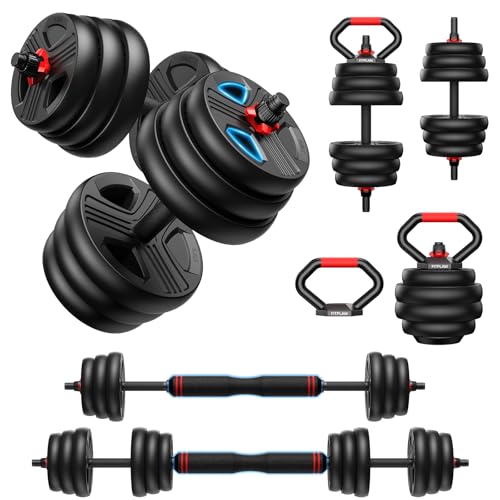
Instead of buying everything at once, focus on the pieces that give you the most bang for your buck. A sturdy adjustable bench, a set of adjustable dumbbells (or a barbell with plates), and some resistance bands cover a huge range of exercises. These items alone can build a full-body routine for months or even years.
When it comes to quality, you don’t always need the top-tier commercial brands. Mid-range options from reputable companies offer great durability and performance for home use. Look for solid welds on benches, smooth adjustment mechanisms on dumbbells, and rust-resistant coatings on bars.
Resistance bands are incredibly versatile and cheap. They’re great for warming up, adding extra tension to bodyweight moves, or even as a primary resistance source for travel. Don’t overlook them just because they’re inexpensive.
Where to Save vs. Splurge
Now let’s talk about where to spend more and where to save. Items that take heavy loads like barbells, squat racks, and heavy dumbbells are worth spending more on for safety and longevity. A cheap bar can bend or snap under heavy weights, risking injury.
On the flip side, you can save on accessories like weight belts, gloves, and floor mats. Basic foam tiles from a hardware store work fine for protecting floors and reducing noise. Similarly, generic collars and clips do the job just as well as expensive brand-name ones.
For cardio and lighter accessories, consider DIY options. Fill old milk jugs with sand for weighted carries, or use a backpack with books for loaded push-ups. This keeps costs low while still adding intensity.
Making a Long-Term Plan Without Breaking the Bank
Think of building your home gym as a gradual process. You don’t need it all on day one. Start with a few core pieces, then add one or two quality items each month or quarter. This spreads out the cost and lets you see what you actually use.
Set a realistic budget based on your finances, not on what influencers claim you need. Remember, a simple setup with consistency often beats a expensive gym that gathers dust. Many strong and fit people train with minimal equipment like just bodyweight and a pull-up bar.
Finally, maintain your gear. Wipe down dumbbells after use, tighten bolts on benches, and store bars properly. Good care extends the life of your equipment, making your investment last for years.
Frequently asked questions
Is it worth buying cheap weight plates?
For light to moderate use, cheap plates can be fine as long as they are accurately weighted and have a standard size hole. However, for heavy lifting, invest in quality plates that are durable and won't crack.
Should I buy a power rack or a squat stand?
A power rack is safer for heavy squats and bench press as it has safety bars. A squat stand is lighter and cheaper but less stable; it may work for lighter loads or if you have a spotter.
Can I build muscle with just resistance bands?
Yes, resistance bands can build muscle, especially for beginners or for targeting smaller muscles. They provide variable resistance and are great for home workouts, but heavier loads may require bands with high tension.
How often should I replace my equipment?
Quality equipment can last decades with proper care. Replace items when they show signs of wear like rust, fraying cables, or loose joints that can't be tightened. Safety should always come first.
Looking to buy? See our Strength Training guides for tested picks.