 Related pick
To use a balance board safely, start on a flat, non slip surface and hold onto a wall or chair for support. Begin with basic balancing, keep your core engaged, and gradually advance to exercises like squats or lunges only when you feel stable. Always prioritize control over movement range.
Balance boards are a fantastic tool for improving core strength, stability, and coordination, but they come with a learning curve. Whether you are a beginner or looking to refine your technique, safety should come first. This guide will walk you through the essentials to help you use a balance board safely and effectively, without the hype or sales pitch.
Choose the Right Balance Board for Your Skill Level
Not all balance boards are created equal, and picking the one that matches your experience is key to staying safe. For beginners, a rocker board (which tilts side to side) is more stable and easier to control. More advanced users might prefer a roller board (a platform on a cylinder), which offers 360-degree movement but requires better balance.
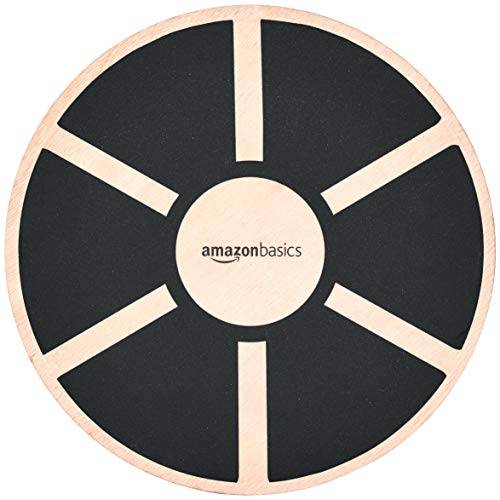
Consider the board’s surface texture and size. A board with a non slip top grips your shoes, while a wider platform gives you more room to adjust your stance. If you have joint issues, a board with a lower profile or built in stops can reduce the risk of over-extension. Always check the weight limit and ensure the board is in good condition before each use.
Set Up Your Space for Safety
Your environment can make or break a safe balance board session. Choose a flat, hard surface that is free of obstacles. Avoid soft surfaces like carpet or grass, which can catch the board and cause a fall. Keep at least three feet of clearance on all sides. If possible, place your board near a stable wall or counter that you can use for support initially.
Wear appropriate footwear with flat, gripping soles. Barefoot is also an option if you have good foot strength and a clean floor, but start with shoes if you are new. Remove any socks or slippers that might slip. Keep a mat or soft surface nearby to cushion any falls, but do not rely on it as a substitute for careful practice.
Master the Basics Before Moving On
Before any dynamic moves, you need to get comfortable just standing still on the board. Place one foot on the board, then slowly bring the other foot on, keeping your weight centered. Hold onto a support with one hand if needed. Focus on a fixed point in front of you to help maintain balance. Your core should be engaged, shoulders back, and knees slightly bent.
Practice small shifts in weight from side to side or front to back without letting the board edge touch the ground. Aim for 30-second to one-minute holds initially. As you feel more stable, try letting go of the support for a few seconds. The goal is to build a solid foundation. Rushing into advanced tricks increases injury risk, so be patient with this phase.
Progress Gradually with Controlled Movements
Once you can stand without support for at least a minute, you can start adding simple exercises. Gentle sways or small hip circles help you learn to control the board. Then try shifting your weight to one foot, lifting the other slightly. Progress to squats, keeping your back straight and knees aligned with toes. Never lock your joints.
For more challenge, try lunges or single leg stands, but always have a wall or chair within reach. Avoid sudden or jerky movements. If you feel unstable, step off the board rather than trying to recover in a panic. Remember, it is better to step off and reset than to fall. Gradually increase the duration and complexity of your sessions, and take rest days to allow your stabilizing muscles to adapt.
Know When to Stop and Listen to Your Body
Balance board training is demanding on your ankles, knees, and lower back. Stop immediately if you feel sharp pain, dizziness, or excessive fatigue. Do not push through pain, as this can lead to injury. Also, be aware that your balance will fluctuate day to day. If you are tired or distracted, it is not the time to try new moves.
Incorporate balance board work into a well rounded fitness routine, and limit sessions to 10-15 minutes at first. As you improve, you can extend up to 30 minutes but avoid overtraining. Stay hydrated and warm up with light stretching or a short walk before each session. Finally, if you have a history of ankle or knee injuries, consult a physical therapist before starting balance board training for personalized advice.
Frequently asked questions
Can I use a balance board if I have bad ankles?
It depends on the condition. If you have chronic instability, start with a rocker board and always have support nearby. Consult a doctor or physical therapist before beginning any balance training.
How long does it take to get good at balancing?
Most people can stand steadily within a few sessions, but it varies. With consistent practice of 10 minutes daily, you can see significant improvement in 2-3 weeks.
Do I need to wear shoes on a balance board?
Shoes with flat, non slip soles are recommended for beginners. Advanced users may go barefoot for better sensory feedback, but that requires a clean, safe floor.
What should I do if I fall off the board?
Try to step off in control rather than landing on your hands or knees. If you fall, roll to absorb impact. Always have a soft surface nearby and practice near a support to reduce fall risk.
Looking to buy? See our Balance Boards guides for tested picks.