 Related pick
Heat therapy improves blood flow, relaxes muscles, and eases stiffness, making it best for chronic pain or before activity. Cold therapy reduces inflammation, swelling, and acute pain, ideal after injury or intense workouts. Use heat for old injuries, cold for new ones.
If you have ever dealt with muscle soreness, a pulled muscle, or joint pain, you have probably wondered whether to reach for a heating pad or an ice pack. The choice between heat therapy and cold therapy can make a big difference in how quickly you recover and how much relief you get. But using the wrong one can actually delay healing. This guide breaks down the science behind each option and gives you a clear, practical framework for deciding what to use and when. No fluff, no sales pitch just honest advice that puts your body first.
Understanding the Basics of Heat and Cold Therapy
Heat therapy and cold therapy work in opposite ways, and each has a specific role in managing pain and recovery. Heat therapy, also called thermotherapy, involves applying warmth to the body. It widens blood vessels, increasing blood flow to the area. This brings oxygen and nutrients to the tissues and helps flush out waste products. The warmth also relaxes tight muscles and reduces stiffness in joints. That is why a warm compress or a hot bath can feel so good after a long day or before a workout.
Cold therapy, or cryotherapy, does the opposite. It constricts blood vessels, which reduces blood flow to the area. This limits swelling and inflammation, numbs nerve endings to dull pain, and slows down cellular activity after an injury. Applying an ice pack to a fresh ankle sprain or an overworked muscle can prevent the area from becoming too swollen and help you recover faster.
The key takeaway is simple: heat is for relaxing and increasing circulation, while cold is for reducing inflammation and acute pain. Using them interchangeably can backfire. For example, putting heat on a swollen ankle can increase swelling and make things worse. On the other hand, icing a stiff, chronically tight muscle may provide little relief and could even increase stiffness.
When to Use Cold Therapy for Acute Injuries and Pain
Cold therapy is your go to for acute injuries and sudden pain. Think of times when you bash your shin, twist your ankle, or pull a hamstring during a sprint. In these situations, the body responds with inflammation. Swelling, redness, and heat are signs that blood and fluid are rushing to the injury site. Applying cold within the first 24 to 48 hours can help keep that response in check.
Ice constricts blood vessels, which reduces the amount of fluid that leaks into the tissues. This minimizes swelling and bruising, and the numbing effect provides immediate pain relief. A good rule of thumb is to apply an ice pack wrapped in a thin cloth for 15 to 20 minutes at a time, with at least 40 minutes between sessions. Never apply ice directly to the skin because it can cause frostbite.
Cold therapy is also excellent for post workout recovery. If you just finished a heavy leg day or a long run, icing your quads, knees, or shins can help reduce the micro-tears and inflammation that cause delayed onset muscle soreness. Just remember that cold is not for long term use. Once the acute phase passes, usually after two or three days, switch to heat or other recovery methods.
When to Use Heat Therapy for Chronic Pain and Stiffness
Heat therapy shines for chronic conditions and muscle stiffness. If you have lower back pain that has been nagging you for weeks, or you wake up with a stiff neck, heat can work wonders. It relaxes the muscles by encouraging blood flow, which helps flush out metabolic waste that builds up from tension. This is why a warm shower or a heating pad can loosen you up before you start moving.
Heat is also great for joint stiffness, especially in conditions like osteoarthritis. Applying a warm pack to your knees, hips, or hands before exercise can increase flexibility and reduce discomfort during activity. For menstrual cramps, heat on the lower abdomen relaxes the uterine muscles and provides significant relief.
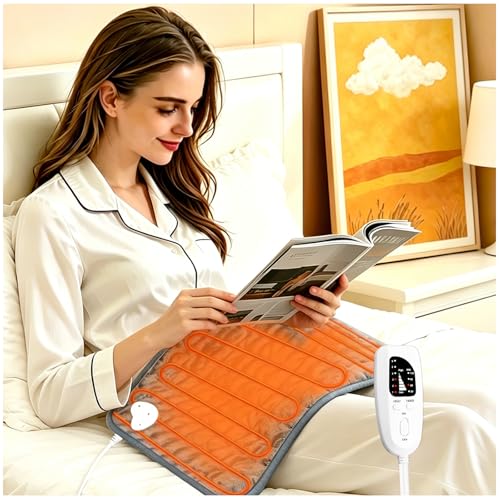
When using heat, choose a moist source like a warm towel or a steam pack for deeper penetration. Dry heat from an electric pad works too, but be cautious with the temperature to avoid burns. Apply heat for 15 to 20 minutes at a time, and avoid using it on areas that are swollen or bruised. Heat is not recommended for acute injuries because it can increase swelling and inflammation
How to Combine Heat and Cold Therapy for Maximum Recovery
Sometimes alternating heat and cold can provide the best results, but it is not for every situation. This technique, known as contrast therapy, involves switching between warm and cold applications. It can help flush out waste products, reduce swelling, and improve range of motion in certain chronic conditions or after intense training.
Contrast therapy works best for areas that are not in the acute phase of injury. For example, if you have lingering tightness and mild swelling after a sprain, alternating can stimulate blood flow while still controlling inflammation. A typical protocol is to apply heat for 3 to 4 minutes, then cold for 1 minute, and repeat this cycle 3 or 4 times. Always end with cold to reduce any heat induced swelling.
However, contrast therapy is not for everyone. If you have poor circulation, diabetes, or heart conditions, consult a doctor first. Also, never use contrast therapy on open wounds or fresh injuries. Stick with pure ice in the first 48 hours. In general, contrast therapy is best reserved for the subacute phase of recovery, usually a few days after an injury, when you need to promote healing without flaring up inflammation.
Practical Tips for Safe and Effective Use at Home
To get the most out of heat and cold therapy at home, pay attention to safety and timing. For cold therapy, always wrap ice packs or frozen gel packs in a thin cloth or towel. Never apply ice directly to skin, and limit sessions to 20 minutes. If you use a bag of frozen vegetables, label it so you do not accidentally cook with it later. For heat therapy, test the temperature on your wrist first to avoid burns. Electric heating pads should have an auto shut off feature, and never fall asleep with one on.
Timing matters. Apply cold as soon as possible after an acute injury and repeat every 2 to 3 hours during the first day. For heat, use it before activities that require flexibility, or at the end of the day to unwind. Avoid using heat before bed if you have difficulty sleeping with a raised body temperature. And never use either therapy on areas with poor sensation, on broken skin, or if you have been told by a doctor to avoid temperature extremes.
Finally, listen to your body. If heat makes swelling worse, stop. If cold makes your pain more intense or causes shivering, take a break. Proper use of these therapies can speed recovery and reduce pain, but they are tools, not cures. For serious injuries, always consult a medical professional.
Frequently asked questions
Can I use heat and cold therapy at the same time?
It is not recommended to use both at the same time because it can confuse the body's response. Alternating them as contrast therapy is effective for certain conditions, but they should not be applied simultaneously to the same area.
How long should I ice an injury?
Ice for 15 to 20 minutes at a time, with at least 40 minutes between sessions. Over icing can damage skin and nerves, so stick to this time limit.
Is heat therapy safe for acute injuries?
No, heat therapy is not safe for acute injuries because it can increase swelling and inflammation. Use cold therapy for the first 48 hours after an injury.
When should I see a doctor instead of using heat or cold?
See a doctor if you have severe pain, numbness, or if swelling does not improve after a few days of cold therapy. Also consult a doctor if you have circulatory issues or diabetes before using temperature therapies.
Looking to buy? See our Balance Recovery guides for tested picks.