 Related pick
You need barbells, dumbbells, kettlebells, a squat rack, adjustable bench, weight plates, and a floor mat. Add resistance bands and a pull-up bar for versatility. Start with these to build a functional home gym.
Building a home strength training setup can feel overwhelming with endless options. But you don’t need a warehouse of gear to get strong. This checklist covers the essential equipment for effective, safe, and versatile workouts whether you are a beginner or seasoned lifter. We prioritize what actually matters for progress and injury prevention, skipping the fluff.
Barbells and Weight Plates
A barbell is the backbone of strength training. For most lifters, a standard 7-foot Olympic barbell with a 20kg weight works best. Look for one with a 28-28.5mm shaft diameter for a comfortable grip and dual knurl marks for both standard and wide grip. Avoid cheap bars that bend under heavy loads.
For weight plates, buy bumper plates if you plan to do deadlifts or Olympic lifts from the floor. Bumpers are expensive but quieter and safer on the floor. For squatting and benching, cast iron plates are fine and cheaper. Get a mix of 45, 25, 10, 5, and 2.5 pound plates to allow precise loading. A pair of 45s and 25s plus smaller plates will get you started.
Don’t forget collars. Spring clips are cheap but can slip; invest in locking collars (like OSO or similar) for heavier lifts. They hold plates securely and prevent accidents.
Dumbbells and Kettlebells
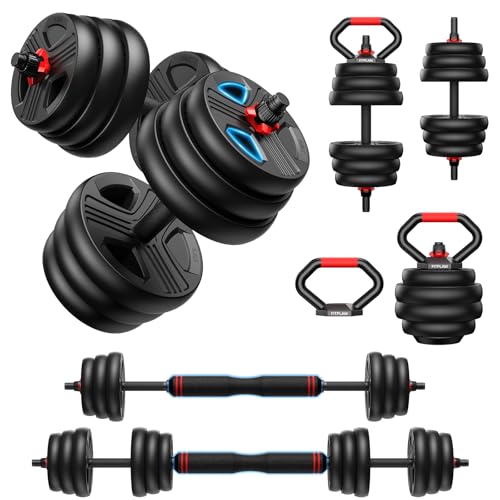
Dumbbells are essential for unilateral work, accessory exercises, and isolating muscles. A set of adjustable dumbbells saves space and money over fixed weights. Look for ones with a quick-change mechanism and a range from 10 to 50 pounds per hand. For heavy lifting, consider a set of fixed dumbbells in 5-10 pound increments from 15 to 75 pounds, but this is a bigger investment.
Kettlebells offer dynamic training for swings, goblet squats, and carries. Start with a 35-pound (women) or 53-pound (men) kettlebell for swinging. Add a lighter one for overhead work. Kettlebells build grip strength and cardiovascular endurance simultaneously. Cast iron kettlebells with a flat base are stable and durable.
Squat Rack or Power Rack
A squat rack is the most important piece of safety equipment. It catches the bar if you fail a rep. For home use, a power rack with safety pins or straps is ideal. Look for a rack with a weight capacity of at least 1000 pounds and adjustable J-hooks and safeties. A pull-up bar on the rack adds versatility.
Half racks are cheaper but less stable for heavy lifting. Standalone squat stands work for limited space but require careful setup. If you plan to bench press, ensure the rack has a flat bench that fits under the bar. Many racks come with spotter arms for bench pressing.
Bench and Flooring
An adjustable bench allows for incline, flat, and decline pressing plus seated dumbbell work. Get a heavy-duty bench that is wide and stable, rated for at least 500 pounds. Look for one with a seat that adjusts and a backrest that goes from flat to 90 degrees. Avoid narrow, cheap benches that wobble.
Flooring protects your floor, deadens noise, and provides a stable base. Rubber mats (like horse stall mats from a farm store) are affordable and durable. A 4×6 foot mat for deadlifting and a larger area for general training is sufficient. Interlocking foam tiles work for light training but are too soft for heavy lifts.
Accessories: Bands, Pull-Up Bar, and Chalk
Resistance bands add variety for warm-ups, banded squats, and pull-up assistance. Get a set of light, medium, and heavy bands. They are also useful for stretching and mobility work. A pull-up bar is a must for upper body strength. Doorframe bars are easy to install, but a wall-mounted or ceiling-mounted bar is more stable for muscle-ups.
Chalk (magnesium carbonate) is cheap and improves grip on the bar. Use it for heavy deadlifts, pull-ups, and rows. A gym bag for storage and a foam roller for recovery round out the setup. Remember, you can start with minimal gear and add as you progress.
Frequently asked questions
What is the first piece of strength training equipment I should buy?
Start with a barbell and weight plates. A barbell allows compound lifts that work multiple muscle groups. Add a squat rack for safety if you plan to squat heavy.
Is it necessary to have both a barbell and dumbbells?
Not necessarily. Barbells are best for heavy compound lifts, while dumbbells help with unilateral work and isolation. Beginners can start with barbell and add dumbbells later for variety.
Do I need a power rack or can I use a cheaper squat stand?
A power rack is safer and more stable, especially for heavy squats and bench presses. Squat stands work for lighter loads but lack safety catches. If you train alone, invest in a power rack.
What floor material is best for a home gym?
Rubber mats, like horse stall mats, are durable, cheap, and protect the floor. They are 3/4 inch thick and withstand heavy weights. Avoid foam tiles for deadlifting areas.
Looking to buy? See our Strength Training guides for tested picks.