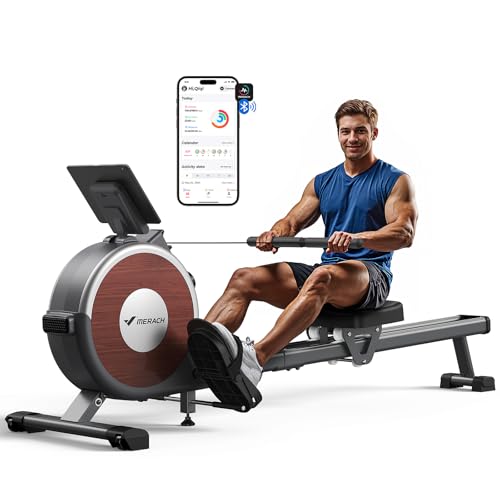
 Related pick
To choose a rowing machine, consider your fitness goals, available space, and budget. Air rowers are durable and simulate real rowing, while magnetic rowers offer quiet, smooth resistance. Water rowers provide a natural feel, and hydraulic models are compact. Focus on build quality, resistance type, and display metrics like stroke rate and distance. Test for seat comfort and foot strap adjustability.
Rowing machines offer a full body, low impact workout that builds endurance and strength. With so many models on the market, picking the right one can feel like a challenge. This guide breaks down the key factors, resistance types, and features to help you find a machine that fits your home gym and your body, without falling for marketing hype.
Why Rowing Machines Are Worth the Investment
A rowing machine works 86% of your muscles with each stroke, including legs, core, back, arms, and glutes. It delivers both cardio and strength training in one compact piece of equipment. Unlike treadmills or bikes, rowing engages your upper body and helps improve posture. It is also low impact, making it gentle on joints while still providing a high intensity workout.
Consistency matters more than having the fanciest machine. A solid rower will last years and keep you challenged as your fitness improves. If you are looking for a versatile tool that combines endurance work with muscle building, a rower is a smart addition to your home gym.
Resistance Types: Air vs Magnetic vs Water vs Hydraulic
Air resistance uses a fan that creates drag the harder you pull. It simulates real rowing well and is durable. Air rowers can be loud, but they are a top choice for serious workouts and CrossFit style training. Most commercial gyms use air rowers because they are tough and provide smooth, self adjusting resistance.
Magnetic resistance uses magnets to create drag. It is very quiet, making it ideal for apartments or home use while others are sleeping. Magnetic rowers typically offer 8 or 16 resistance levels and a smooth, consistent feel. They do not self adjust like air, so you have to manually change the setting. They are generally cheaper than water rowers and require less maintenance.
Water resistance uses paddles in a water tank. The sound of water is calming and the resistance mimics real rowing well as it increases with effort. Water rowers are popular for their aesthetic look and natural feel, but they can be bulky and the tank may need water treatment tablets over time. They tend to be more expensive.
Hydraulic cylinder rowers use two oil filled pistons. They are compact, foldable, and very affordable. However, they often feel jerky and do not provide as smooth a stroke. These are best for someone with very little space or a tight budget, but they may not satisfy serious rowers.
Key Features to Look For (And What to Ignore)
Focus on build quality and comfort first. Look for a sturdy steel or aluminum frame that supports your weight without wobbling. The seat should be well padded and slide smoothly. Pedals with adjustable foot straps are important to keep your feet stable during high intensity strokes. A comfortable handlebar (often foam or rubber) reduces hand fatigue.
The display should show essential metrics: stroke rate, distance, time, and calories. Some add heart rate via Bluetooth chest strap, which can help track effort. Overly complex apps or screens are not necessary. Many rowers now offer connection to training apps like Kinomap or ErgData, which add variety and structured workouts. Do not pay extra for features you will never use.
Ignore marketing about ‘connected fitness’ or ‘virtual reality’. Instead, check if the machine has a good warranty (frame: lifetime or 5+ years, parts: 2+ years) and if replacement parts are available. A rail length that fits your inseam is critical: taller users need at least 48 50 inches of rail.
Space, Storage, and Noise Considerations
Rowing machines range from 7 to 9 feet long and 2 feet wide. Measure your available floor space before buying. Some models fold (e.g., water rowers with vertical storage or magnetic rowers that tilt up). Hydraulic rowers are the most compact, but they sacrifice performance. If you plan to store the machine under a bed or in a closet, look for a foldable magnetic or air rower with wheels for easy moving.
Noise is another factor. Air rowers produce a loud whooshing sound that can be heard through walls. Water rowers create a gentle swoosh that may still disturb others in a quiet house. Magnetic rowers are nearly silent, making them best for shared living spaces. Hydraulic rowers make mechanical clicking noises that can be distracting.
Matching the Rower to Your Fitness Level and Goals
Beginners often benefit from a magnetic rower because of its quiet operation and preset resistance levels that make it easy to start slow. As you improve, a water or air rower can provide more natural resistance changes and higher intensity. If your goal is marathon style steady state cardio, a water rower offers a soothing experience. For HIIT or sprint intervals, an air rower is best because it responds instantly to your effort.
If you are short on time, pick a rower with app connectivity so you can follow guided workouts. If you train alone, a simple display with just strokes and time may be enough. Always test the seat and stroke length if possible, or read reviews from users with similar height. A rower that fits your body will keep you consistent and injury free.
Frequently asked questions
How much space do I need for a rowing machine?
Most rowers need a floor area of about 7 to 9 feet long and 2 feet wide. Add extra space around the machine for getting on and off. Some models fold or stand upright to save space when not in use.
Which rower is best for beginners?
A magnetic rower is often best for beginners because it is quiet, has adjustable resistance, and is usually more affordable. It allows you to start at a low intensity and gradually increase as you build technique and endurance.
Is a water rower worth the extra cost?
Water rowers offer a smooth, natural feel and a calming sound that many people enjoy. They are worth the cost if you prioritize aesthetics and a realistic rowing experience, but they can be more expensive and require periodic tank maintenance.
How loud is an air rower vs a magnetic rower?
Air rowers produce a loud whooshing sound that can be heard through walls, while magnetic rowers are nearly silent. If you live in an apartment or share a home, a magnetic rower is a better choice to avoid disturbing others.
Looking to buy? See our Rowing Machines guides for tested picks.