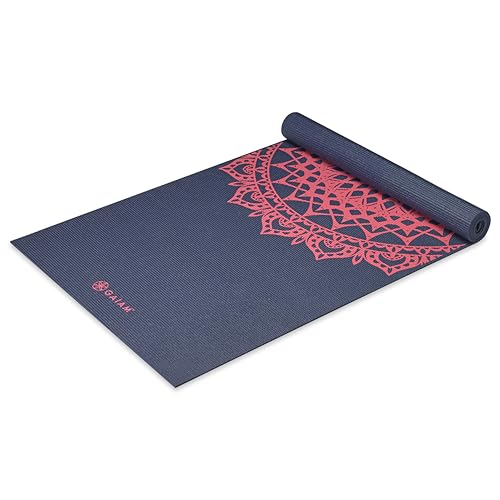
Yoga mats typically last 6 to 12 months with regular practice; premium materials may stretch to 2 years. Blocks and straps can last several years. Clothing lasts 1 to 3 years. Key factors: material quality, frequency of use, and proper care like gentle washing and air drying.
Yoga gear sees a lot of sweat, stretching, and floor contact. Whether you practice daily or a few times a week, understanding how long your equipment lasts can help you plan replacements and save money. This guide gives you practical timelines for mats, blocks, straps, towels, and clothing, plus signs of wear and care tips to extend each item’s life.
Yoga Mats: Lifespan and When to Replace
A yoga mat is the hardest working piece of gear. The life of a mat depends heavily on material and how often you use it. PVC mats are the most common and typically last 6 to 12 months with regular practice. They often start to peel or wear thin in the areas where your hands and feet land. Natural rubber mats can last 1 to 2 years if cared for properly. They offer better grip but can degrade with exposure to sunlight or moisture. TPE (thermoplastic elastomer) mats are lightweight and eco friendly, but they tend to break down faster, usually 6 to 9 months.
Watch for signs it’s time to replace your mat: persistent smell, loss of grip (you slide in downward dog), visible peeling, or the mat becomes too thin to cushion your joints. To extend a mat’s life, roll it loosely (tight rolls create creases), clean it regularly with a mild soap and water solution, and store it out of direct sunlight. Never machine wash or put it in the dryer.
Yoga Blocks and Straps: Durable Helpers
Yoga blocks and straps are made from tougher materials and generally last much longer than mats. Foam blocks (EVA or similar) can last 2 to 4 years. They may compress and lose firmness over time but rarely break. Cork blocks are even more durable, often lasting 5 years or more. They can develop stains from sweaty hands, but that doesn’t affect function. Wood blocks are the longest lasting but can become slippery with use.
Straps are typically made from cotton, nylon, or polyester. With gentle use, they last 3 to 5 years. Look for fraying edges, worn buckles, or stretching that compromises the buckle hold. To clean foam or cork blocks, wipe with a damp cloth and mild soap. Straps can be hand washed and air dried. Avoid machine washing straps because it can damage the buckle or cause fraying.
Yoga Towels and Blankets: How Often to Swap
Yoga towels are often used for hot yoga or to keep the mat clean. Microfiber towels can last about 6 months to 1 year with frequent use. The material can start to smell, lose absorbency, or develop pilling. Cotton towels last longer, up to 2 years, but they don’t have the non slip properties of microfiber. If you use a towel as a mat cover, check for thinning fabric or loss of grip.
Yoga blankets (Mexican blankets, cotton fleece) are very durable and can last 5 to 10 years. They get softer with washing but may fray at the edges. Tuck loose threads and don’t toss them in a hot dryer to prevent shrinkage. Replace them when the fabric tears or loses its warmth. For towels, wash after every use with gentle detergent. Avoid fabric softener; it reduces absorbency. Air dry to maintain the towel’s pile.
Yoga Clothing: Lifespan and Care
Yoga clothing goes through a lot. The lifespan is 1 to 3 years depending on fabric, fit, and how you care for it. High quality synthetic blends (polyester, nylon with spandex) tend to last longer, up to 3 years. Cheaper cotton or cotton blends often lose shape and fade within a year. Signs of wear include pilling, thinning fabric (especially in the knees or seat), loss of elasticity, and persistent odor even after washing.
To extend the life of your yoga clothes, wash them in cold water on a gentle cycle. Hang dry instead of using the dryer. Heat is the main enemy of elastic fibers. Also, avoid washing clothes with rough fabrics like jeans or towels, which cause friction. If you notice a funky smell, try a soak in white vinegar or a sports detergent to remove bacteria buildup. Replace clothing when it no longer provides the support or coverage you need.
Factors That Shorten or Extend Gear Life
Several factors influence how long your yoga gear lasts. Frequency of practice is obvious: daily practice wears out mats faster than a few times a week. But the environment matters too. Hot yoga studios accelerate wear, especially on mats and towels; they are exposed to more sweat and higher temperatures. Storage is another big factor. Leaving a mat in a hot car can cause PVC to off gas and degrade, while direct sunlight fades and breaks down natural rubber. For clothing, high heat in drying weakens fibers.
Proper care can double the life of many items. Clean equipment regularly, but with appropriate methods. Harsh cleaners (bleach, alcohol) can break down materials. For mats, a simple spray of water and a few drops of dish soap works. For blocks and straps, a quick wipe down is enough. Air drying is always best. Also, rotate between multiple gear items if possible. Having two mats or sets of clothes spreads the wear. Finally, listen to your body: if your mat feels slippery or a strap buckle is loose, replace it to prevent injury.
Frequently asked questions
How often should I replace my yoga mat?
With regular practice (2 to 3 times per week), replace a PVC mat every 6 to 12 months. Natural rubber mats last 1 to 2 years. Look for signs like peeling, loss of grip, or thinning.
Can I machine wash my yoga clothes?
Yes, but use cold water and a gentle cycle. Avoid fabric softener, and hang dry instead of using a dryer to prevent loss of elasticity and pilling.
Do yoga blocks expire?
Yoga blocks don't expire but will compress or degrade over time. Foam blocks may lose firmness after 2 to 4 years. Cork and wood blocks can last 5 years or more with care.
What's the best way to clean a yoga strap?
Hand wash with mild soap and water, then air dry. Avoid machine washing because it can fray the material or damage the buckle.
Looking to buy? See our Yoga guides for tested picks.