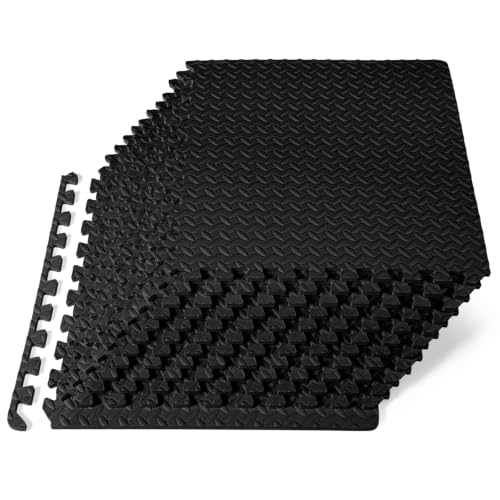
To protect your floor from gym equipment, use high-density rubber mats or interlocking foam tiles under heavy gear. Place additional pads under weight stacks and cardio machines. Sweep and clean mats regularly to prevent grit from scratching the floor. For carpeted areas, use a plywood base under mats.
Setting up a home gym is an exciting step toward a healthier lifestyle. But before you start lifting and sweating, consider what happens underneath all that iron and rubber. Your floor stands between heavy equipment and potential costly damage. Whether you live in an apartment with hardwood floors or have a basement with concrete, taking the right precautions can save you from repairs and keep your workout space safe. Here’s a practical guide to protecting your floor from gym equipment.
Understand Your Floor Type
First, know what you are working with. Hardwood, laminate, tile, concrete, and carpet each have different weaknesses under gym equipment. Hardwood and laminate are prone to scratches and dents from dropped weights or sliding machines. Concrete can chip and crack under heavy loads, especially if moisture seeps in. Carpet gets flattened and worn out, plus it collects sweat and dust mites.
Your protection strategy will depend on this starting point. For example, a heavy rubber mat that works great on concrete might trap moisture under hardwood and cause warping. Take five minutes to inspect your floor. Look for any existing cracks, unevenness, or areas where water might pool. This helps you choose the right barrier.
Another factor is floor finish. A high-gloss finish shows scratches more easily. An oiled finish might absorb moisture. If you are renting, you may have additional restrictions on what modifications are allowed. Always check with your landlord before laying down anything with adhesive.
Choose the Right Mat Material
The most common solution is rubber mats, and for good reason. They absorb impact, prevent slipping, and are durable. Look for high-density rubber (usually recycled or virgin) that is at least 3/8 inch thick for light to moderate use. For heavy powerlifting or Olympic lifting, go with 1/2 inch or thicker. These mats can handle drop weights and machine vibrations.
Interlocking foam tiles are another option. They are lighter and softer, which is good for yoga or light bodyweight exercises. However, they compress under heavy weights and can tear over time. Use them only for lower impact activities or as a top layer over a rubber base.
Avoid cheap puzzle mats from dollar stores. They offer little protection and break down quickly, leaving black marks on the floor. Instead, invest in commercial grade mats. You can often find them at hardware stores or online from specialty fitness retailers. Measure your space and buy mats that extend at least 6 inches beyond the footprint of each piece of equipment.
Protect Specific Equipment Types
Different gym equipment requires tailored floor protection. For weight benches and squat racks, place a full-size rubber mat underneath that extends beyond the base to catch dropped plates. If you have a power rack with a pull-up bar, the entire footprint should be covered. For leg press or hip thrust machines that have moving parts, ensure the mat is large enough to accommodate the full range of motion.
Cardio machines like treadmills and ellipticals need a dedicated mat that is wider than the machine’s base. These machines produce vibration that can loosen floorboards or scratch surfaces. Many treadmill manufacturers recommend a mat to protect both the floor and the machine itself. Look for rubber mats that are 1/4-inch thick or more, with a ribbed or textured surface to keep the machine stable.
For free weights and dumbbells, a deadlift platform is ideal. You can build one with a plywood base topped with rubber mats. This spreads the load and protects the floor underneath. If you only have a small area, heavy duty rubber tiles can work. Also, add rubber or felt pads to the feet of weight benches and stands to prevent metal-to-floor contact.
Maintain Your Floor Protection
Once you set up your mats, maintenance is key. Sweep or vacuum them regularly to remove dust, dirt, and small debris that can scratch the floor underneath. Wipe spills immediately, especially sweat, which can seep through gaps and cause mold or discoloration. If you use foam tiles, check for moisture buildup beneath them and dry them out periodically.
Inspect mats for wear and tear. Rubber mats can crack or become brittle over time, especially if exposed to direct sunlight. Replace any damaged sections before they fail. For interlocking tiles, look for warped edges or missing pieces. Also, check that the mats are still lying flat and haven’t shifted. If they move around, they can expose the floor to damage.
Consider rotating your equipment slightly every few months. This distributes weight pressure more evenly and prevents permanent indentations. If you have heavy machines on casters, use floor glides or rubber cups instead of letting the wheels dig into the mat.
Long-Term Floor Care Tips
Beyond mats, there are other steps to extend the life of your floor. Keep humidity levels stable. High humidity can warp wood and cause concrete to sweat, creating an environment for mold. Use a dehumidifier in basements or humid areas. Also, condition hardwood floors periodically with a suitable product recommended by the manufacturer.
Avoid dragging equipment across the floor. Even with mats, the sheer weight of a loaded squat rack can cause marks. Instead, disassemble heavy items before moving them. For lighter items, lift them cleanly. If you must slide something, place a towel or cardboard underneath.
Finally, invest in good quality flooring from the start. If you are building a dedicated gym room, consider epoxy coated concrete or rubber gym flooring. These are designed for high traffic and heavy loads. While the upfront cost is higher, they save you from future repairs and are easier to clean. Remember, protecting your floor not only saves money but also makes your home gym safer and more enjoyable.
Frequently asked questions
Do I need a mat under a treadmill?
Yes, a mat helps protect the floor from vibrations and collects dust and sweat. It also prevents the treadmill from slipping and reduces noise.
Can I use yoga mats as floor protection for weights?
Yoga mats are too thin and soft for heavy weights. They will compress and tear quickly, providing little protection. Use thick rubber mats instead.
How thick should my gym mat be?
For light exercise, 1/4 inch may be enough. For heavy lifting, use at least 3/8 inch (10mm) rubber matting. For dropping weights, 1/2 inch or more.
Will rubber mats damage hardwood floors?
Some rubber mats can cause discoloration due to chemical migration. Place a non-slip barrier between the mat and hardwood, such as a felt rug pad.
Looking to buy? See our Accessories guides for tested picks.