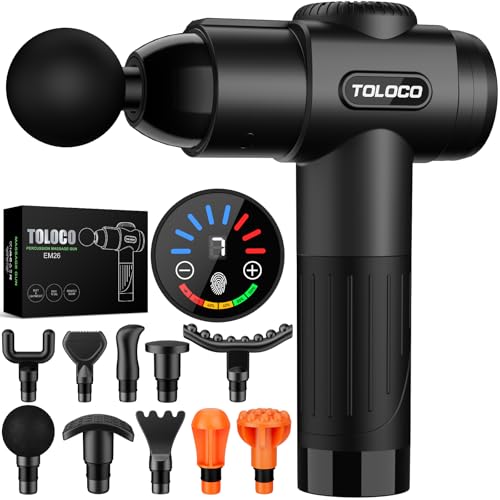
Choose a massage gun for deep tissue relief based on stall force, speed range, and attachments. For muscle stimulators, prioritize TENS for pain relief and EMS for muscle activation. Consider portability, noise level, and budget without overpaying for unnecessary features.
Recovery tools like massage guns and muscle stimulators have exploded in popularity, and for good reason. They can ease soreness, improve circulation, and speed up recovery between workouts. But with dozens of models on the market, it’s easy to get overwhelmed. This guide cuts through the hype to help you pick the right device for your needs, focusing on features that actually matter, not marketing fluff.
Massage Guns vs. Muscle Stimulators: What's the Difference?
Massage guns use percussive therapy: rapid, repeated impacts that penetrate deep into muscle tissue. They’re great for releasing knots, reducing delayed onset muscle soreness (DOMS), and improving flexibility. Think of them as a high-speed, targeted massage that you control.
Muscle stimulators use electrical impulses (TENS or EMS) to contract muscles or block pain signals. TENS (transcutaneous electrical nerve stimulation) helps with chronic pain by interfering with pain signals to the brain. EMS (electrical muscle stimulation) activates muscles, which can aid in recovery, reduce swelling, and even assist with warm-ups. Some devices combine both.
Your choice depends on your primary goal: for deep tissue relief and trigger points, go with a massage gun. For pain management or muscle activation without mechanical force, a stimulator is more appropriate. Many athletes own both for different recovery phases.
Key Features of a Quality Massage Gun
Not all massage guns are created equal. The most important spec is stall force, the amount of pressure you can apply before the motor stops. Look for at least 30 pounds of stall force for deep tissue work; cheaper guns stall easily. Next is speed range, measured in percussions per minute (ppm). A range of 1200-3200 ppm is ideal, with lower speeds for sensitive areas and higher for dense muscles.
Amplitude (the depth of the thump) matters too. 10-16mm is standard; 16mm gives deeper penetration. Battery life should be 2-6 hours of real use, not standby. Swappable batteries are a bonus. Also consider noise level: guns under 50 decibels are quiet enough for home use. Attachments are often overhyped; you really only need a ball head for general use, a fork for spine or Achilles, and a bullet for trigger points.
Weight and ergonomics matter if you’ll use it on hard-to-reach areas like your back. A 2-3 pound gun is manageable. Finally, build quality often correlates with price, but mid-range options from brands like Hyperice, Theragun, or Achedaway offer solid performance without the premium price.
Key Features of a Muscle Stimulator (TENS/EMS)
When choosing a muscle stimulator, channel count matters most. Two channels (four pads) let you treat multiple areas simultaneously. More channels are unnecessary for most people. Look for adjustable intensity levels (20+ levels) so you can dial in comfort. Pre-set programs are helpful, but manual mode gives you full control.
Pulse width and frequency affect the sensation. For TENS, high frequency (60-100 Hz) is for acute pain, low frequency (2-10 Hz) for chronic pain with muscle contractions. EMS uses specific frequencies (20-50 Hz) for muscle building or recovery. A good device lets you adjust both. Battery can be built-in rechargeable or replaceable AAA; rechargeable is more convenient. Pad quality is often overlooked: buy from the manufacturer to avoid poor adhesion, and expect to replace pads every 20-30 uses.
Size and portability vary from pocket-sized to larger units. For home use, a larger display is easier to navigate. For travel, a compact unit with a carrying case is ideal. Avoid cheap units that deliver a harsh, unpleasant current; look for devices with ‘smooth’ or ‘comfort’ waveforms.
When to Use Each Tool and Important Safety Tips
Use a massage gun after workouts to reduce soreness, or before activity to increase blood flow (but avoid bony areas, neck, and bruises). Start on low speed and increase gradually. Limit use to 30-60 seconds per muscle group. Never use on joints, genitals, or over blood clots. If you have a medical condition, check with a doctor first.
Muscle stimulators are best used after exercise for recovery (EMS) or during rest for pain relief (TENS). Place pads on clean, dry skin over the muscle belly, at least one inch apart. Never over joints, on the front of the neck, or across the heart. Avoid driving or operating machinery while using. Most sessions last 15-30 minutes.
Both tools should complement, not replace, proper warm-ups, stretching, and rest. Listen to your body: if something feels wrong, stop. And always read the manual specific to your device.
Making the Final Decision: Budget, Brand, and Value
The best device is the one you’ll actually use. For budget-friendly massage guns, look for at least 30 lb stall force and 3 speed settings. Avoid no-name brands with no warranty. For stimulators, the Omron, TENS 7000, and Compex brands offer reliable options at various price points. Don’t pay extra for Bluetooth or app connectivity unless you really want to track usage.
Consider buying a combo unit if you’re on a tight budget, but know that these often compromise on both functions. It’s better to invest in one dedicated device that excels. Check return policies and warranty length (1-2 years is standard).
Ultimately, your choice should match your activity level, the frequency of muscle soreness or pain, and your willingness to use the device consistently. A simple, durable tool that fits your lifestyle will serve you better than a feature-packed one that collects dust.
Frequently asked questions
Can I use a massage gun every day?
Yes, but limit each muscle group to 30-60 seconds and avoid the same spot for more than two minutes daily. Overuse can cause bruising or inflammation.
Do muscle stimulators actually build strength?
They can improve muscle activation and endurance, but they won't replace resistance training. EMS is best for recovery and maintaining muscle during injury, not for significant strength gains.
What's the difference between stall force and speed?
Stall force is the maximum pressure the gun can handle before stopping; higher stall force means deeper tissue work. Speed is how fast it pounds; choose a wide range for versatility.
Are expensive massage guns worth it?
Not always. Mid-range guns often match high-end specs like stall force and quiet operation. Pay extra only for specific features you need, such as longer battery life or multiple attachments.
Looking to buy? See our Balance Recovery guides for tested picks.