 Related pick
Balance boards help knee rehab by improving proprioception and joint stability. Start with basic double-leg stance, progress to single-leg, then add dynamic moves. Use only with medical clearance and non-slip surfaces.
When you’re recovering from a knee injury, the path back to full strength and mobility often feels slow and uncertain. A balance board can be a valuable tool in that journey, not as a quick fix, but as a way to rebuild the stability and control your knee needs to handle daily activities and sports. This article explains how to use a balance board safely and effectively for knee rehabilitation, based on common physical therapy principles and expert guidance.
What is a Balance Board and How Does it Help the Knee?
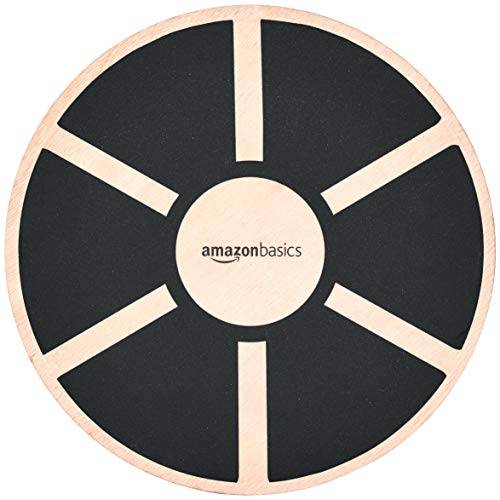
A balance board is a simple device typically consisting of a flat platform mounted on a rounded or pivoting base. It challenges your body to maintain equilibrium by engaging the muscles around your ankles, knees, and hips. For knee rehab, the primary benefit is improving proprioception your brain’s ability to sense joint position and movement. After an injury or surgery, proprioception often diminishes, increasing the risk of re-injury. Using a balance board retrains these neural pathways, helping you regain coordinated control.
Additionally, balance board exercises strengthen the supporting muscles around the knee, especially the quadriceps, hamstrings, glutes, and calves. Stronger muscles provide better joint stability and absorb more impact. Multiple systematic reviews and meta-analyses of balance training programs have found meaningful reductions in ankle sprain risk among athletes, and the same proprioceptive principles are widely applied to knee rehab. However, a balance board is not a substitute for professional rehab, and it should only be used after your healthcare provider clears you for weight-bearing activity.
When to Start Using a Balance Board for Knee Rehab
Timing is critical. Do not use a balance board while you still have significant swelling, acute pain, or limited range of motion. Most physical therapists agree that you should be able to stand comfortably on both feet without pain and have near-full knee extension before starting balance board work. After knee surgery, this typically occurs between 4 to 8 weeks, but always follow your surgeon’s or therapist’s specific guidelines.
It’s also important to start in a controlled environment. Begin with double-leg stance on a stable surface, then progress to a balance board only when you can hold that stance for 30 seconds without wobbling. Never skip ahead too quickly. Your knee needs time to adapt, and rushing can lead to setbacks. Always consult with your physiotherapist before adding a balance board to your routine, especially if you have a meniscus repair, ACL reconstruction, or patellofemoral issues.
Basic Balance Board Exercises for Knee Rehab
Start with the simplest move: standing on the balance board with both feet, using a wall or sturdy chair for support if needed. Aim for three sets of 30 seconds, gradually increasing to one minute. Focus on keeping your knee aligned over your ankle, not letting it cave inward. Once you can do this without help, progress to single-leg stance on the floor, then eventually on the board. For single-leg on the board, begin with your stronger leg first, then the rehab leg, holding onto a support as long as necessary.
Next, try weight shifting. Stand on the board with both feet and gently tilt the board forward and back, then side to side, without letting the edges touch the ground. This mimics real-life movements like walking on uneven terrain. Another safe exercise is the half squat on the board. Stand centered, and slowly bend your knees to a partial squat (no more than 45 degrees), then return to start. Keep your weight in your heels and your chest up. Perform 2 sets of 10 reps, stopping if you feel sharp pain. Never hold your breath; breathe steadily throughout.
Advanced Progression and Safety Considerations
As you build confidence and your therapist gives the green light, you can incorporate dynamic movements. Try catching a light ball while balancing on one leg, or slowly rotate your torso. Another option is to add a small unstable surface like a foam pad under the board for extra difficulty. However, avoid high-impact moves like jumping or rapid direction changes until you have full strength and no pain during daily activities.
Safety must remain a priority. Always use a balance board on a non-slip floor, away from furniture edges. Wear supportive shoes. Work out near a wall or have a spotter when trying new exercises. Stop immediately if you feel sharp or catching pain, and report it to your therapist. Balance board training is about steady, consistent gains, not heroics. Listen to your body and respect its limits. Overdoing it can set your recovery back weeks.
Complementary Rehab Strategies Alongside Balance Board
A balance board is just one piece of a comprehensive rehab plan. To maximize your recovery, pair it with other proven techniques. Strengthening exercises like leg presses, step-ups, and resistance band work target the muscles that stabilize the knee. Range-of-motion exercises, such as heel slides and stationary cycling, help maintain flexibility. Manual therapy from a physical therapist can address scar tissue and joint stiffness.
Also consider low-impact cardiovascular training like swimming or using an elliptical machine to maintain fitness without stressing the knee. Proper nutrition and sleep support tissue healing. Finally, mental preparation matters. Rehab can be frustrating, but staying consistent and patient leads to the best outcomes. Keep a log of your exercises and how your knee feels each day to track progress and share with your therapist. With a balanced approach, a balance board can be a safe and effective part of your journey back to full function.
Frequently asked questions
Can a balance board help after ACL surgery?
Yes, but only after your surgeon clears you for weight bearing. Balance boards improve proprioception and muscle control, which are often impaired after ACL reconstruction. Start with basic double-leg support and progress slowly with your physical therapist's guidance.
How long should I use a balance board each day?
Begin with 5 to 10 minutes per day, broken into short sessions. Overdoing it can fatigue the muscles around the knee and increase injury risk. As your stability improves, you can gradually extend time, but always prioritize quality over quantity.
Is a balance board safe for older adults with knee arthritis?
A balance board can be safe, but only if pain is well controlled and you have good balance. Start with a wider board and hold onto a support. Consult your doctor or physical therapist first, as arthritis can make the knee more vulnerable to sudden twists.
What are signs I should stop using a balance board?
Stop if you feel sharp or stabbing pain in your knee, increased swelling, or a sense of instability that wasn't there before. These may indicate you are pushing too hard or have an underlying issue. Contact your healthcare provider before continuing.
Looking to buy? See our Balance Boards guides for tested picks.