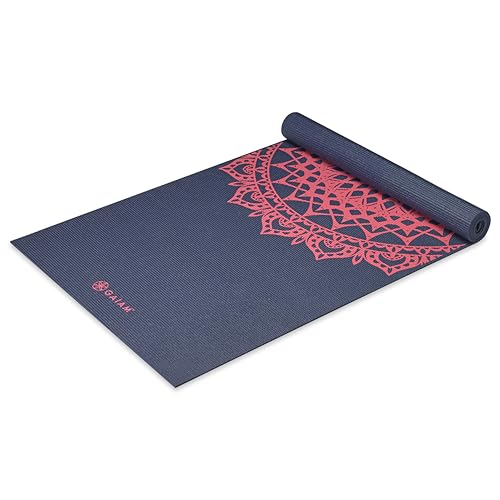
To start yoga at home, choose a quiet space, get a mat and comfortable clothes, and follow beginner YouTube videos or apps. Focus on basic poses and breathing, practice consistently even if just 10 minutes daily, and listen to your body to avoid injury.
So you want to start yoga at home. Smart move. It’s flexible, cost effective, and you can do it in your pajamas. But without a studio instructor, it’s easy to feel lost or get weird advice. This guide strips away the fluff and gives you a real, practical path to building a home yoga practice that sticks. No hype, no sales pitch. Just honest, expert backed steps to get you breathing and moving on your own terms.
1. Set Up Your Space and Gather Gear
If you do decide to buy gear later, skip the gimmicks. A basic mat, two blocks, and a strap are plenty. But again, start with nothing more than a mat and comfy clothes. The less you buy upfront, the more you focus on the practice itself. Remember, yoga is about connecting your breath and movement, not accumulating stuff.
2. Find Your Guide: Apps, Videos, and Programs
You need a source of instruction since you’re at home. Free YouTube channels are a goldmine. Look for beginner series from reputable teachers like Yoga with Adriene, Yoga with Tim, or FightMaster Yoga. They have clear cues, modifications, and a chill vibe. Download a few sessions so you can practice offline if your Wi Fi is shaky.
Apps can also help. Downward Dog is structured but customizable, and Yoga Studio has detailed pose libraries. Both have free trials. But don’t get lost in options. Pick one channel or app and stick with it for at least two weeks. Consistency matters more than finding the perfect teacher. If you don’t like their style after that, switch. But hopping around daily won’t build a habit.
Consider a short term challenge like 30 days of yoga. It gives you a roadmap and a sense of accomplishment. But listen to your body, skip or modify if something hurts. No one is grading you.
3. Master the Core Poses and Breath
You don’t need to contort like an Instagram influencer. Focus on the foundational poses that build strength and flexibility safely. These include Downward Dog, Cat Cow, Child’s Pose, Mountain Pose, Warrior I and II, Tree Pose, and Corpse Pose. Learn them one at a time. Watch videos that break down alignment and common mistakes. Practice each pose for a few breaths before moving to the next.
Breath is the heart of yoga. Start with simple awareness: inhale and exhale through your nose. Count to four on each. Match your breath to movement. For example, inhale as you raise your arms in Mountain Pose, exhale as you fold forward. This syncing calms the nervous system and deepens the stretch.
Don’t rush into advanced poses or fancy flows. Spend your first few weeks getting comfortable with these basics. You’ll build a solid foundation and reduce injury risk. And remember, yoga is not a competition. If you can’t touch your toes, you’re still doing yoga. Honest.
4. Create a Routine That Fits Your Life
Consistency beats intensity. Aim for just 10 to 20 minutes a day, five days a week. Morning practices can energize you; evening ones can wind you down. Pick a time you can stick with. Put it on your calendar like a meeting. Even five minutes of breathing and stretching counts when you’re short on time.
Structure your sessions simply: start with centering (a few deep breaths), then a gentle warm up (neck rolls, Cat Cow), followed by your main poses (maybe Sun Salutation A a few times), and end with a cool down (seated forward fold) and Corpse Pose. That’s it. As you get comfortable, you can explore longer classes or different styles like Hatha or Vinyasa.
Be prepared for days when you feel unmotivated or your body is sore. On those days, do a gentle stretch or even just lay on your mat and breathe. Showing up is the win. The practice will adapt to you, not the other way around.
5. Overcome Common Hurdles Without Quitting
You’ll face obstacles: boredom, frustration with not progressing, physical discomfort, or lack of time. Here’s the real talk. Boredom often means you need to vary your routine or focus more on breath and alignment. Try a different teacher or a short meditation before practice. Frustration comes from comparing yourself to others. Unfollow those unrealistic accounts. Your only competition is your past self.
Physical discomfort is a signal. Sharp pain means stop and modify. Use props or skip that pose. Yoga should feel like a good stretch, not a trip to the chiropractor. If something consistently hurts, look for alternative poses or ask a physical therapist. For time crunches, micro sessions work. Three 10 minute sessions in a day count. You can even do a few poses during a work break.
Lastly, keep it fun. Add music you like, practice outside if weather permits, or invite a friend to join over video call. Don’t force yourself into a rigid routine. The best home yoga practice is the one you actually do, imperfectly, day after day.
Frequently asked questions
Do I need to be flexible to start yoga?
No. Yoga is for everyone regardless of flexibility. Flexibility actually improves with consistent practice.
How long should my first home yoga session be?
Start with 10 to 15 minutes. Short sessions build habit without overwhelming you.
Can I lose weight with home yoga?
Yoga can support weight loss by building muscle, reducing stress, and increasing body awareness, but it's not a high calorie burner. Combine it with other activities for best results.
What if I can't afford a yoga mat or props?
Use a towel or carpet for grip and household items like books and belts. Props are helpful but not essential to start.
Looking to buy? See our Yoga guides for tested picks.