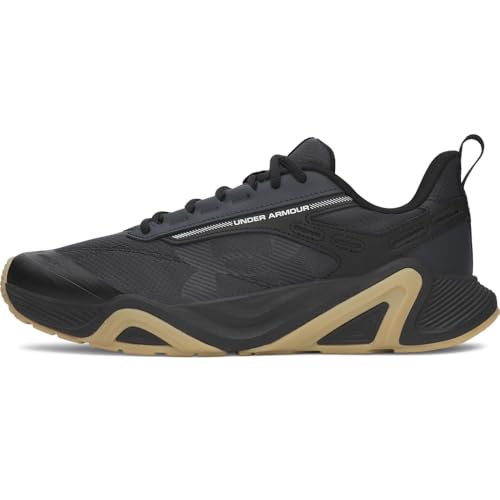
 Related pick
Flat shoes like Converse provide a stable, ground-level base for deadlifts and squats, while lifting shoes with raised heels improve ankle mobility for deeper squats. The better choice depends on your lift, mobility, and goals.
Choosing between flat shoes and lifting shoes can feel confusing. Both have passionate fans, but the right pick depends on your body, your lifts, and your goals. This guide breaks down the pros and cons so you can train smarter, not harder.
What Are Flat Shoes and Lifting Shoes?
Flat shoes have a thin, even sole with zero heel-to-toe drop. Popular examples include Converse Chuck Taylors, Vans, and deadlift slippers. Their flat base offers maximum ground contact and stability. They are often lightweight and allow your foot to spread naturally.
Lifting shoes (sometimes called weightlifting shoes) feature a raised heel, typically made of wood or hard plastic. The heel height ranges from 0.5 to 1 inch. They have a wide, non-compressible sole and often include a strap across the midfoot for security. These shoes are designed specifically for Olympic weightlifting and squats.
The key difference is the heel: flat shoes keep your foot level, while lifting shoes tilt your foot forward. This tilt changes how your body moves during a lift, affecting ankle, knee, and hip angles.
When to Choose Flat Shoes
Flat shoes excel in lifts where you need a stable, solid platform. For deadlifts, flat shoes allow you to pull from the floor with your heels not elevated, which can feel more natural and help maintain proper bar path. They also work well for bench press, overhead press, and any movement where you want to feel connected to the ground.
If you have good ankle mobility, flat shoes can be perfectly fine for squats. Many powerlifters prefer flat shoes for competition because they keep you closer to the ground. Additionally, flat shoes are versatile for accessory work, cardio, and warmups. They are also more affordable and easier to find.
However, if you struggle to hit depth in squats or feel like you’re falling backward, flat shoes might not provide enough ankle range of motion. In that case, a heeled shoe could help.
When to Choose Lifting Shoes
Lifting shoes shine in movements that require deep knee bend, like front squats, back squats, and Olympic lifts (snatch, clean and jerk). The raised heel transfers the demand off your ankles and onto your hips and knees, making it easier to keep your torso upright. This is especially helpful if you have limited ankle dorsiflexion from past injuries or tight calves.
The hard sole also eliminates energy loss from compression. Running shoes, for example, have foam that squishes under load. Lifting shoes are solid, so every bit of force goes into the barbell. The strap adds foot stability, preventing your foot from sliding inside the shoe during heavy lifts.
For advanced lifters, lifting shoes can improve squat depth and consistency. They are less ideal for deadlifts because the heel creates a slight forward lean, which can pull the barbell away from your shins. Many lifters change shoes between deadlifts and squats in competition.
Key Factors to Consider: Mobility, Lift Type, and Safety
Your ankle mobility is the biggest factor. To check, do a squat facing a wall. If your knees can touch the wall without your heels lifting, you likely have enough mobility for flat shoes. If not, lifting shoes may help you squat deeper. Also consider hip mobility: tight hips may benefit from the more upright position lifting shoes allow.
Lift type matters too. For deadlifts, flat shoes generally win. For squats and Olympic lifts, lifting shoes are often better. If you do a mix, you might want both pairs in your gym bag. Safety is also important: a non-compressible sole prevents wobbling, and a secure fit reduces injury risk. Avoid using running or cross-training shoes with thick soles for heavy lifting.
Don’t forget about foot health. Flat shoes allow your toes to spread, which can strengthen foot muscles. Lifting shoes with a narrow toe box might cramp toes over long sessions. Some lifters with wide feet prefer flat shoes for this reason.
How to Decide: Practical Steps
Start by testing what you already own. If you have a pair of old flat sneakers, try squatting in them. Record your form: do you lean forward? Do your heels rise? If so, lifting shoes might help. You can also try placing a small weight plate under your heels to mimic a lifting shoe. If it feels better, you likely need heel lift.
If possible, borrow or try a friend’s lifting shoes before buying. Many gyms have a pair you can borrow. Pay attention to how your feet feel after the session. If you experience foot pain, the shoes might not fit well. Also note any increase in stability or comfort during heavy sets.
Another option is to use flat shoes for deadlifts and warmups, and switch to lifting shoes for your main squat sets. This hybrid approach gives you the best of both worlds. Over time, you’ll learn which shoe supports your body best. A good rule of thumb: let your movement dictate your footwear, not the other way around.
Frequently asked questions
Can I deadlift in lifting shoes?
Yes, but it's not ideal. The raised heel can shift your weight forward, making it harder to keep the bar close to your shins. Many lifters switch to flat shoes for deadlifts.
Are flat shoes good for Olympic lifting?
Flat shoes are not recommended for Olympic lifts because they lack heel support for deep catching positions. They can also reduce stability during quick movements.
Do I need lifting shoes for squats?
Not if you have good ankle mobility and can squat deep with a flat foot. But if you struggle to hit depth or feel unstable, lifting shoes can greatly improve your form.
Are there any alternatives to lifting shoes?
Yes, some lifters use squat wedges or place weight plates under their heels as a budget alternative. However, these are less stable and not recommended for heavy loads.
Looking to buy? See our Footwear guides for tested picks.