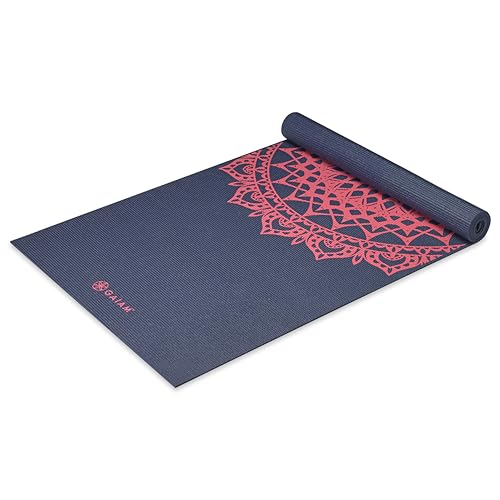
When shopping for yoga gear, focus on quality and fit over brand names. Choose a mat with good grip and cushioning, comfortable moisture wicking clothing that allows free movement, and props like blocks and straps that support your practice without slipping.
Yoga is a personal practice, and the gear you use can make a big difference in your comfort and progress. But with so many options out there, it’s easy to get overwhelmed. This guide will help you cut through the marketing hype and find what actually works for your body and your practice. Whether you’re a beginner or a seasoned practitioner, these practical tips will help you choose gear that supports you without breaking the bank.
1. Yoga Mats: Grip, Cushion, and Durability
Your mat is the foundation of your practice. The most important feature is grip, especially if you sweat or do vigorous styles like Vinyasa or Hot Yoga. Look for mats made from natural rubber or PVC with a textured surface. Rubber offers excellent grip and sustainability, but some people are allergic. PVC mats are durable and affordable, but check for phthalate free options. Avoid mats that feel slippery when wet.
Cushion is the second factor. A thicker mat (5 6mm) provides more joint protection for poses like knees down or savasana, but can feel unstable for standing balance poses. Thinner mats (3 4mm) offer better stability but less padding. If you practice on hard floors, a thicker mat may be necessary. Consider a combination: a thin mat with a travel thickness that you can fold for extra cushion under sensitive joints.
Durability matters too. Natural rubber mats tend to break down faster with exposure to sunlight and sweat. PVC mats last longer but can wear out over time. Look for double stitched edges and avoid mats that fray or peel. Price doesn’t always indicate quality; mid range options often perform as well as expensive ones.
2. Yoga Clothing: Move Freely, Breathe Easy
Comfort is king in yoga clothing. Choose fabrics that are moisture wicking and breathable, like polyester, nylon, or bamboo blends. Cotton can become heavy and soggy with sweat, sticking to your skin and restricting movement. Look for flat seams or seamless construction to prevent chafing during twists and forward folds.
Fit matters more than fashion. For women, high waisted leggings stay put during inversions and down dog. Men should consider shorts with a built in liner or compression tights, depending on their practice style. Avoid clothing that is too loose, as it can bunch up or get in the way during poses. On the other hand, too tight clothing can restrict movement. Test by moving through a few poses in the fitting room: raise your arms overhead, fold forward, and twist.
Athletic brands often market specific yoga lines, but you don’t need specialist clothing. Any workout gear that allows full range of motion and wicks sweat will work. The key is to wear what makes you feel confident and comfortable, not what looks trendy on Instagram.
3. Yoga Blocks: Support and Alignment
Blocks are essential for modifying poses and improving alignment. The most common types are foam, cork, and bamboo. Foam blocks are lightweight, inexpensive, and offer a bit of give, making them comfortable for beginners. However, they compress over time and may slip slightly on sweaty hands. Cork blocks are firmer, more stable, and have a natural surface that gets grippier when wet. They are heavier and more durable, but also pricier. Bamboo blocks are similar to cork but harder and smoother, which can be slippery if not varnished.
Size is standard (4x6x9 inches), but some brands offer smaller or larger options. For most people, standard size works. If you have larger hands or need extra height, consider a larger block. Try before you buy if possible, or buy a mixed set to see which material you prefer. Blocks are one area where spending a little more for cork or high density foam pays off in durability and performance.
Don’t forget that blocks can be used for more than support. They can also challenge you, like placing them between your thighs during bridge pose to engage inner thighs, or under your hands to increase range of motion. A good block is versatile enough for both.
4. Yoga Straps: Flexibility and Depth
A yoga strap helps you reach your feet or bind your hands when flexibility is limited. Look for a strap that is sturdy but not rigid. Cotton webbing is standard: it holds its shape, doesn’t slip, and is washable. Nylon straps are stronger but can feel slick. Avoid elastic straps, as they stretch and don’t give consistent resistance.
The buckle or closure matters. A D ring or cinch buckle allows you to adjust the length easily and secure it in place. Some straps have a loop on one end, which can be handy for certain poses. The ideal length is 6 to 8 feet (1.8 to 2.4 meters). Shorter straps may limit you; longer ones can be bulky but versatile.
A good strap should feel strong enough to support your body weight if you lean into it, as in hamstring stretches. Test by pulling on it firmly. Also, check that the buckle doesn’t dig into your hands or skin. Many practitioners prefer a strap with a padded or wider center for comfort. Strap care is easy: most can be machine washed on gentle and air dried.
5. Additional Gear: Bolsters, Blankets, and Towels
Bolsters are supportive cushions used in restorative yoga and for comfort in seated poses. They come in two main shapes: round and rectangular. Round bolsters are firm and great for backbends and hip openers. Rectangular bolsters are softer and better for general relaxation. Fill materials include cotton, buckwheat hulls, or foam. Cotton is firm and durable; buckwheat conforms to your body but is heavy; foam is lightweight but may flatten over time. Choose based on your needs and maintenance preference (foam is easier to clean).
Yoga blankets add warmth and padding. Mexican blankets are popular: they are thick, colorful, and warm. They can be folded for extra support or used as a prop under knees or hips. Look for 100% cotton or wool for breathability. Avoid synthetic throws that slide or cause static.
If you do hot yoga or sweat heavily, a yoga towel is essential to prevent slipping. The best ones are microfiber with a silicone grid backing that sticks to your mat. They should be machine washable and quick drying. Some towels are designed to be placed over the mat, while others are small hand towels for wiping. Consider a long towel that covers the full length of your mat for maximum grip.
Frequently asked questions
What is the best material for a yoga mat?
Natural rubber offers excellent grip and eco friendliness but may cause allergies. PVC is durable and affordable, but look for phthalate free options. Choose based on your practice style and skin sensitivity.
Do I need a special yoga mat for hot yoga?
Yes, a mat with extra grip is important in hot yoga because sweat makes the surface slippery. Look for mats specifically designed for hot yoga, often made of rubber or with a microfiber top layer.
How thick should my yoga strap be?
Standard straps are 1.5 inches wide. Thinner straps may dig in; thicker ones can be bulky. 1.5 inches is comfortable for most people. Length should be 6 to 8 feet for versatility.
Can I use regular sports clothes for yoga?
Yes, any moisture wicking clothing that allows full range of motion works. Avoid cotton layers that soak up sweat. Focus on fit: not too loose, not too tight, and flat seams to avoid irritation.
Looking to buy? See our Yoga guides for tested picks.