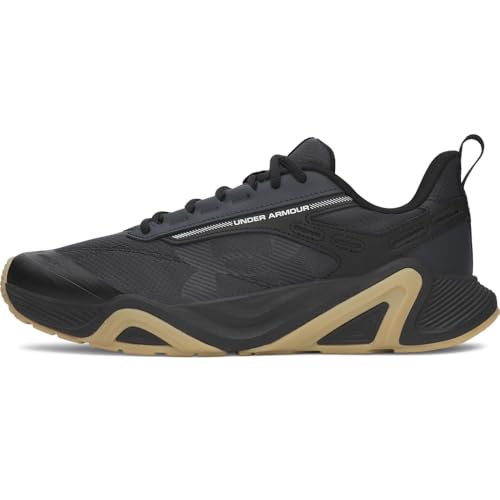
 Related pick
Barefoot shoes can be good for the gym if you prioritize foot strength and natural movement, especially for lifting and bodyweight exercises. However, they lack cushioning for high-impact activities like running on a treadmill, and they require a gradual transition to avoid injury.
Barefoot shoes have gained popularity in recent years, moving from niche running circles into the mainstream fitness world. With their thin soles, wide toe boxes, and zero drop from heel to toe, they promise a more natural foot strike and improved proprioception. But are they really a good choice for the gym? The answer isn’t a simple yes or no. It depends on your workout style, your current foot strength, and your willingness to adapt your training. In this article, we’ll break down where barefoot shoes shine, where they fall short, and how to decide if they’re right for your gym routine.
What Are Barefoot Shoes?
Barefoot shoes, also known as minimalist shoes, are designed to mimic the experience of being barefoot while still providing some protection. They typically have a zero drop (no height difference between heel and toe), a wide toe box that lets toes splay naturally, and a thin, flexible sole that allows you to feel the ground beneath you. Unlike traditional athletic shoes, they have minimal cushioning and arch support.
The idea behind barefoot shoes is that they encourage your feet to move the way nature intended. Proponents argue that modern cushioned shoes weaken foot muscles, alter gait, and can contribute to injuries. By reducing interference, barefoot shoes aim to strengthen the intrinsic muscles of the foot and improve balance and posture. However, the transition from conventional shoes to minimalist ones is not immediate. It requires patience and a gradual buildup to avoid injury.
Barefoot Shoes for Strength Training: The Lifts Where They Excel
For weightlifting, especially deadlifts, squats, and overhead presses, barefoot shoes can be a solid choice. The zero-drop platform and firm sole provide a stable base, which helps with balance and force transfer from the ground up. A wide toe box also allows your toes to spread for better stability, which can improve your squat depth and overall control. Many lifters prefer barefoot shoes or simply lifting in socks for this reason.
However, for Olympic lifts like the clean and jerk or snatch, a slight heel lift can aid in maintaining an upright torso. In that case, traditional weightlifting shoes with a raised heel might be better. But for general strength training and compound lifts, barefoot shoes offer a direct connection to the floor that many find beneficial. Just be aware that you’ll need to work on ankle mobility if you switch from heeled trainers to zero-drop shoes.
Cardio and HIIT: The Cushioning Problem
When it comes to high-impact cardio , think running on a treadmill, jumping rope, or burpees , barefoot shoes are a different story. The thin sole means you feel every landing, and without shock absorption, your joints (knees, hips, lower back) take more of the impact. For short, low-impact sessions like walking, rowing, or cycling, barefoot shoes are fine. But for sustained running or explosive plyometrics, they may lead to discomfort or injury if you’re not adapted.
Some people do well with barefoot shoes for HIIT, but it depends on the specific movements. Exercises like box jumps or sprinting place high demands on the foot and Achilles tendon. Transitioning too quickly can cause plantar fasciitis, metatarsal stress fractures, or Achilles tendinopathy. If you love your barefoot shoes for lifting but also do cardio, consider having a more cushioned pair for the high-impact parts of your workout.
Transitioning Safely: How to Start Using Barefoot Shoes at the Gym
Switching to barefoot shoes is not like buying a new pair of sneakers. It’s a training process for your feet. The American Academy of Podiatric Sports Medicine recommends a gradual transition: start by wearing them for short periods (15-20 minutes) during low-intensity activities like warming up or walking. Then slowly increase the time over several weeks. Pay attention to any pain, especially in the arches, heels, or shins.
It’s also smart to incorporate foot-strengthening exercises. Toe curls, marble pickups, and balancing on one foot can help prepare your feet for the demands of minimalist footwear. If you have pre-existing foot conditions like flat feet or bunions, consult a podiatrist before making the switch. And remember, you don’t have to go all-in: many gym-goers keep a pair of barefoot shoes just for lifting and use conventional shoes for other activities.
Barefoot Shoes vs. Other Minimalist Options: What About Socks Only or Lifting Shoes?
You might wonder: if barefoot shoes mimic being barefoot, why not just wear socks? In many gyms, going purely barefoot is not allowed for hygiene or safety reasons. Plus, socks offer zero grip on some surfaces. Barefoot shoes provide a layer of protection while still letting your foot function naturally. Compared to traditional weightlifting shoes (which have a raised heel and stiff sole), barefoot shoes offer more proprioception but less support for ankle mobility issues.
There’s also the question of cross-training shoes. Many modern cross-trainers have a low drop and moderate cushioning, offering a middle ground. For most gym-goers who do a mix of lifting and cardio, a cross-trainer might be more versatile than a pure barefoot shoe. But if you’re committed to foot health and natural movement, barefoot shoes are worth considering. Listen to your body, and choose the tool that fits your specific training needs.
Frequently asked questions
Can I wear barefoot shoes for running on the treadmill?
You can, but it's not recommended for long distances or high speeds due to lack of cushioning. If you do, start slowly and land softly to reduce impact.
Will barefoot shoes help with flat feet?
They may strengthen foot muscles over time, but they don't provide arch support. Consult a podiatrist before using barefoot shoes if you have flat feet.
How long does it take to get used to barefoot shoes?
Transition can take several weeks to months. Start with short wear periods and gradually increase as your feet and lower legs adapt.
Are barefoot shoes allowed in all gyms?
Most gyms allow them since they are shoes, but check with your gym. Some may have rules against very thin soles for safety reasons.
Looking to buy? See our Footwear guides for tested picks.