 Related pick
Store dumbbells on a sturdy rack to save space and prevent accidents. Keep them off the floor to avoid damage and injuries. Organize by weight for easy access, and use rubber or urethane coated dumbbells to protect floors.
If you’re building a home gym, dumbbells are likely a core part of your setup. But once you start accumulating pairs, storage becomes a real challenge. Piles of iron on the floor are a trip hazard, damage your flooring, and make your workout space feel cluttered. The good news is that with a little planning, you can keep your dumbbells organized, safe, and easy to access without turning your living room into a junkyard.
Why proper dumbbell storage matters
Storing dumbbells correctly isn’t just about tidiness. It’s about safety first. Randomly placed dumbbells on the floor are easy to trip over, especially during high intensity circuits or when you’re moving between exercises. Dropping a 50 pound weight on your foot is a quick way to end your training. Proper storage also protects your investment. Dumbbells, especially rubber coated or urethane ones, can get nicked, rusted, or damaged if left on damp concrete or banged against each other.
Floor protection is another big factor. Heavy dumbbells can dent hardwood, crack tiles, or leave scuff marks on vinyl. Even rubber mats can only do so much if weights are constantly dropped in the same spot. By having a dedicated storage solution, you extend the life of both your equipment and your floor. Plus, an organized space makes your workouts more efficient. You’ll spend less time hunting for the right weight and more time lifting.
Choosing a dumbbell rack: what to look for
A dumbbell rack is the most common and effective storage solution. When shopping for one, focus on capacity, weight rating, and material. Make sure the rack can hold all your dumbbell pairs. Some racks are designed for fixed weight dumbbells, others for adjustable ones. Check the total weight capacity to ensure it can handle your heaviest set. Steel racks are durable but can be heavy and expensive, while lighter aluminum racks might be fine for smaller collections.
Look for angled tiers that let you see and grab weights easily. A rack with a small footprint is ideal if space is tight. Some models come with wheels for mobility, which is helpful if you need to move the rack to make room for other exercises. Also consider the coating: powder coated steel resists rust better than bare metal. Avoid racks with sharp edges that could scratch your dumbbells or injure you.
Storage solutions for different dumbbell types
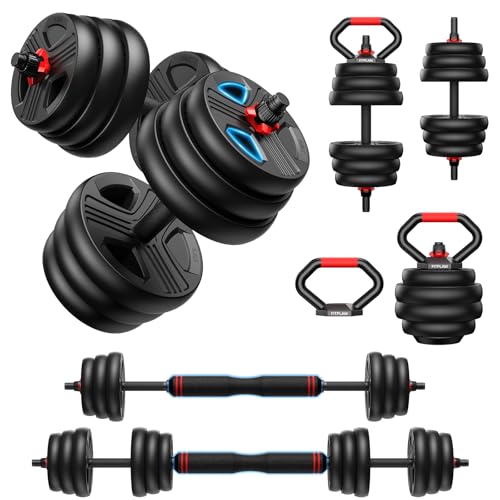
Fixed weight dumbbells, like hex or round rubber ones, are best stored on a tiered rack. Arrange them in order from lightest to heaviest so you can grab the next weight in a superset without bending over too much. If you have a large collection, consider a vertical rack that holds dumbbells on their sides to save floor space. For adjustable dumbbells, like those with plates and a handle, a dedicated stand or tray is often included. If not, a simple shelf or even a sturdy bench can work, but keep them off the floor to prevent dust and debris from getting into the adjustment mechanism.
If you have limited floor space, wall mounted racks are a great option. They keep dumbbells off the ground and free up square footage. Just make sure to secure them into studs. For a temporary setup, a heavy duty plastic bin or a rolling cart can work, but it’s not ideal for quick access. Avoid storing dumbbells in attics or basements with high humidity, as moisture can cause rust, especially on chrome or iron surfaces. Use dehumidifiers in damp areas.
Floor protection and spacing tips
Even with a rack, you need to protect the floor underneath. Place rubber stall mats, interlocking foam tiles, or specific gym flooring under and around the rack. These mats absorb impact if you drop a dumbbell and prevent the rack from sliding. Choose mats that are at least 3/8 inch thick for adequate protection. Extend the mat area a foot or two beyond the rack to catch any runaway weights.
Allow enough space around the rack so you can access weights without bumping into walls or other equipment. A minimum of 2 feet of clearance on the front side is recommended for easy picking. If the rack is against a wall, make sure it’s stable and won’t tip over if you lean on it. For added safety, bolt the rack to the wall or floor if possible. Keep a small gap between the rack and the wall to prevent moisture buildup and allow airflow.
Organization and maintenance routines
Keep your dumbbells organized by weight. Use labels or color coded rings if your set doesn’t already have them. This helps you find the right pair quickly and encourages you to put them back in the correct spot. Every few weeks, wipe down the dumbbells and the rack with a damp cloth to remove sweat and dust. For rust spots, use a wire brush or light sandpaper, then apply a rust inhibitor or clear coat.
Regularly check the rack for loose bolts or wobbling. Tighten them as needed. If you notice the rack bending or sagging under the weight, reduce the load or upgrade to a stronger model. Rotate your dumbbells occasionally to prevent uneven wear on the rubber coating. By keeping everything clean and tight, you ensure your storage system lasts as long as your dumbbells themselves.
Frequently asked questions
Can I store dumbbells directly on the floor?
It's not recommended. Floor storage creates trip hazards and can damage your flooring. Use a rack or mat to keep them organized and safe.
What type of rack is best for adjustable dumbbells?
Many adjustable dumbbells come with a tray or stand. If not, look for a rack designed specifically for your model to ensure proper fit and weight distribution.
How much space do I need for a dumbbell rack?
A standard rack takes up about 2 to 4 square feet. Leave at least 2 feet of clearance in front for easy access and safe movement.
How do I prevent dumbbells from rusting in storage?
Keep them in a dry environment with low humidity. Wipe them after use and apply a light coat of oil on bare metal parts. Avoid storing on concrete directly.
Looking to buy? See our Dumbbells Weights guides for tested picks.