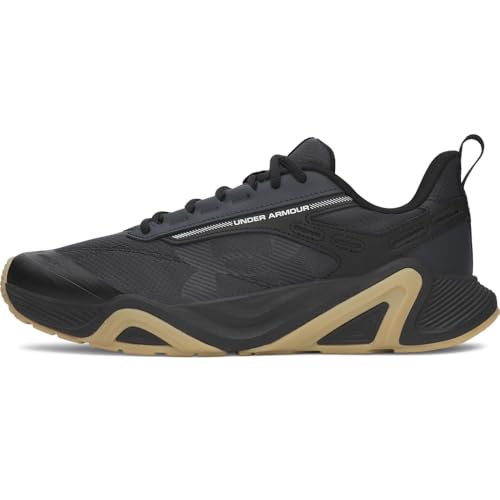
 Related pick
For CrossFit, choose stable, flat-soled shoes with minimal heel-to-toe drop (0-6mm) and a snug fit for lifting. Popular options include Reebok Nano, Nike Metcon, and NoBull trainers. Avoid running shoes as they lack stability under heavy loads.
Choosing the right shoes for CrossFit can make or break your workout. Unlike running or weightlifting, CrossFit combines lifting, jumping, sprinting, and gymnastic movements. The wrong shoe can lead to instability, discomfort, or even injury. Here is what you need to know to pick the best pair for your training.
Why CrossFit shoes are different from running or weightlifting shoes
CrossFit demands versatility. A running shoe has thick, cushioned heels designed for forward motion, which can make heavy squats feel wobbly. A weightlifting shoe has a raised heel for deep squats but performs poorly on runs or box jumps. CrossFit shoes are built for everything. They have a flat, stable sole with minimal drop, a wide toe box for lateral moves, and tough rubber for rope climbs.
The key is balance. You need enough cushion for box jumps and double-unders but enough rigidity for heavy deadlifts. Most CrossFit-specific shoes achieve this with a dense foam that compresses under weight but stays responsive during high-impact moves. They also have reinforced stitching and toe caps to handle abrasion from ropes and burpees.
Key features to look for in a CrossFit shoe
First, look for a flat sole with zero to six millimeters of heel-to-toe drop. This keeps you stable during lifts and allows your foot to feel the ground. Second, a snug heel lock is critical. If your heel slips during jumps or sprints, you risk blisters or injury. Many shoes use extra eyelets or a lace-lock system for a custom fit.
Third, the outsole should be durable and grippy. Rubber with a herringbone or tread pattern works well on gym floors and during rope climbs. Avoid shoes with deep lugs that can catch on boxes. Fourth, the upper should be breathable but tough. Mesh is light, but overlays or a rubber bumper near the toe protect against wear. Finally, look for a wide toe box to let your toes splay during squats and lifts.
Top CrossFit shoe types: what works best
The most popular CrossFit shoes are the Reebok Nano, Nike Metcon, and NoBull trainers. Each has a cult following. The Nano is known for its comfortable forefoot flex and is great for running and rope climbs. The Metcon offers exceptional stability with a wide, flat heel and strong heel clip for rope climbs. NoBull shoes are minimalist, low-profile, and very durable, but have less cushion for high-impact work.
Other options include the Inov-8 F-Lite, which is lightweight and good for runners, and the Under Armour TriBase Reign, which has a flexible forefoot for lifting. Some athletes prefer minimalist shoes like the Vibram FiveFingers for a barefoot feel, though they take getting used to. Consider your priorities: if you do a lot of running in CrossFit, lean toward the Nano; if you focus on heavy lifting, the Metcon might be better.
What to avoid in a CrossFit shoe
Avoid shoes with high drop (over 8mm) as they can destabilize you under heavy loads. Running shoes with soft cushioning compress during squats and can cause balance issues. Also avoid shoes with very narrow toe boxes that pinch your toes during lateral movements. Basketbal shoes are too tall and lack the ground feel needed for lifts. While they offer good ankle support, they restrict ankle mobility essential for deep squats.
Another pitfall is buying a shoe that is too small. Your feet swell during workouts, so a tight fit leads to blisters and numbness. Leave a thumb’s width of space in the toe box. Also, avoid shoes with overly aggressive tread that can slip or catch on equipment. Finally, don’t choose a shoe based solely on looks. Performance features matter more than colorways.
How to choose the right CrossFit shoe for you
Start by assessing your foot type. Wide feet do best with brands like Reebok Nano (Nano X has a wider forefoot) or Under Armour TriBase. Narrow feet may prefer Nike Metcons. Consider your primary workout focus. If you lift heavy most days, prioritize stability. If you run a lot in class, choose a shoe with some forefoot cushion.
Try shoes on at the end of the day when your feet are slightly larger. Wear the socks you use for training. Walk around, do lunges, and simulate a squat. Check for heel slip and any tight spots. Many CrossFit boxes have demo shoes you can test. If buying online, choose a store with a good return policy. Remember that the best CrossFit shoe is the one that fits your feet and your training style.
Frequently asked questions
Can I use running shoes for CrossFit?
Running shoes are not ideal for CrossFit because their soft cushioning lacks stability for heavy lifts and the high heel drop can cause balance issues. They also wear out quickly from rope climbs and lateral movements.
Do I need lifting shoes for CrossFit?
Weightlifting shoes with a raised heel can be useful for heavy squats and Olympic lifts but are poor for running and jumping. Most CrossFitters prefer a versatile shoe like the Nano or Metcon that does everything adequately.
How often should I replace my CrossFit shoes?
Replace them every 6 to 9 months depending on frequency of use. Signs of wear include a flattened outsole, loss of cushioning, or a broken heel clip. Worn shoes can compromise stability and grip.
Are CrossFit shoes good for everyday wear?
CrossFit shoes can be worn for casual use but are designed for gym floors and high-impact training. Their stiff soles and rugged construction may not be as comfortable for all-day walking as lifestyle sneakers.
Looking to buy? See our Footwear guides for tested picks.