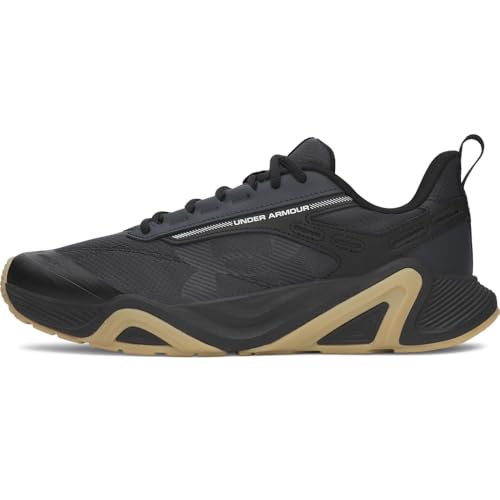
 Related pick
For weightlifting, choose flat, hard-soled shoes like Converse, Vans, or dedicated weightlifting shoes with a raised heel if you squat or clean. Running shoes are too cushioned and unstable. Go barefoot or wear minimalist shoes for deadlifts if your gym allows.
Choosing the right shoes for weightlifting can make a big difference in your performance and safety. Unlike running or cross-training, lifting weights requires a stable base to transfer force efficiently from your feet into the ground. The wrong footwear can throw off your balance, limit your range of motion, or even increase injury risk. This guide breaks down what to look for and which shoes work best for different types of lifts.
Why Your Shoes Matter for Lifting
When you lift weights, your feet are your foundation. They connect your body to the floor and help you generate power, especially in compound lifts like squats, deadlifts, and presses. Cushioned, bouncy soles compress under load, which makes your footing unstable. That instability can shift your center of gravity and cause you to lean or wobble, reducing your lifting efficiency and increasing injury risk.
Flat, hard shoes keep your feet level and allow you to push evenly through your whole foot. This improves balance and force transfer. Shoes with a raised heel, like Olympic weightlifting shoes, can help you squat deeper by allowing your torso to stay more upright. On the other hand, running shoes with thick heels are designed for forward motion, not vertical lifting, and can put your hips and lower back in a compromised position during squats.
The type of lifting you do most should guide your choice. For powerlifting (squat, bench, deadlift), you want as little shoe as possible. For Olympic lifts (snatch, clean and jerk), specialized shoes with a heel are common. For general strength training, a simple flat shoe often works best.
Flat Sole Shoes: The All Around Option
Flat, non compressible shoes are the most versatile choice for weightlifting. Classics like Converse Chuck Taylor All Stars, Vans Old Skool, or similarly flat skate shoes have hard rubber soles that don’t squish. Many lifters use them for squats, deadlifts, and pressing movements. They provide a stable base without any heel elevation, so you feel the ground directly under your feet.
These shoes also tend to be affordable and widely available. However, they lack arch support. If you have flat feet or pronation issues, you might find them uncomfortable for long sessions. Also, they don’t offer much protection if you drop a weight on your foot. Still, for most gym goers doing standard strength training, a pair of flat sneakers is a smart, low cost solution.
If you don’t have flat shoes, going barefoot or wearing minimalist shoes like Vibram FiveFingers or Xero shoes is a close alternative. Some gyms don’t allow barefoot lifting, so check the rules. The key is a thin, non compressible sole that lets you feel the floor.
Adidas Powerlift 5 Adidas Powerlift 5 Weightlifting Shoes: When You Need a Heel
Weightlifting shoes, sometimes called Olympic lifting shoes, have a raised heel made of wood or hard plastic. The heel is usually about 0.75 inches high. This elevation shifts your weight slightly backward and allows your knees to track further forward over your toes without your heels lifting. That makes it easier to achieve proper squat depth, especially if you have tight ankles or a long torso.
These shoes are almost essential for the Olympic lifts (snatch, clean and jerk) because the raised heel helps you catch the bar in a deep squat. Many powerlifters also use them for squats, but not for deadlifts, because a raised heel makes deadlifting harder by increasing the distance from the floor. If you do a mix of squats and deadlifts in the same session, you might need to switch shoes between movements.
Weightlifting shoes are stiffer and more secure than flat sneakers. They have straps or laces to lock your foot in place. This stability is great for heavy squats and overhead pressing. The downside is cost and limited use. They are not comfortable for walking or cardio. You should only wear them for lifting.
What Not to Wear: Shoes to Avoid
Avoid running shoes with thick, cushioned soles. The soft foam compresses under heavy loads, making your foot unstable. This is especially risky during squats and deadlifts. Also avoid shoes with a significant heel to toe drop (the height difference between heel and forefoot). A drop of more than 8mm can tilt your pelvis forward and strain your lower back when squatting.
Cross training shoes are a gray area. Some models, like the Nike Metcon or Reebok Nano, have flat, firm heels suitable for lifting. Others are more cushioned for jumping and sprinting. If you do CrossFit or mixed workouts, look for a cross trainer with a wide, flat base and minimal compression. Check the heel by pressing it with your thumb; if it squishes easily, it is not ideal for heavy lifting.
Basketball shoes, casual sneakers with air bubbles, or any shoe with a curved rocker sole are also poor choices. The curved shape is designed for walking or running, not standing still under load. Stick to simple, flat, or purpose built lifting footwear.
Deadlift Specific Footwear: Barefoot or Minimalist
Deadlifts require pulling the bar from the floor. Any shoe sole adds distance between you and the bar. That extra height means you have to pull the bar slightly higher, which can reduce your lockout strength. To minimize this, many lifters deadlift barefoot, in socks, or in very thin soled shoes like wrestling shoes or deadlift slippers.
Deadlift slippers are simple slippers with a thin rubber sole and no heel. They provide just enough protection and grip while keeping your feet as close to the floor as possible. Some lifters use flat skate shoes for deadlifts, but if you are serious about maximizing your deadlift, thinner is better. The same goes for sumo deadlift: a low, stable base helps you drive through your heels and maintain balance.
Check your gym policy before going barefoot. If barefoot is not allowed, wear socks or the thinnest flat shoe you can find. Avoid thick soled sneakers. Some lifters even remove the insoles from their flat shoes to get a few millimeters closer to the floor. Every little bit helps when you are pulling near maximal weight.
Frequently asked questions
Can I wear running shoes for weightlifting?
Running shoes are not ideal for weightlifting because their cushioned soles compress under load, creating instability. They can also alter your posture during squats, increasing injury risk. Stick to flat, firm soled shoes instead.
Are Converse or Vans good for lifting?
Yes, Converse Chuck Taylors and Vans Old Skool are popular choices for weightlifting due to their flat, hard rubber soles. They provide a stable base for squats, deadlifts, and presses at a low cost.
Do I need special lifting shoes for squats?
Not necessarily, but a weightlifting shoe with a raised heel can help if you have poor ankle mobility or want to squat deeper. For most people, flat shoes work fine. Try both to see what feels best for your squat form.
Should I deadlift barefoot?
Deadlifting barefoot or in thin soled shoes reduces the distance from the floor, improving leverage and lockout. Many lifters prefer it, but check your gym rules. If barefoot is not allowed, wear socks or deadlift slippers.
Looking to buy? See our Footwear guides for tested picks.