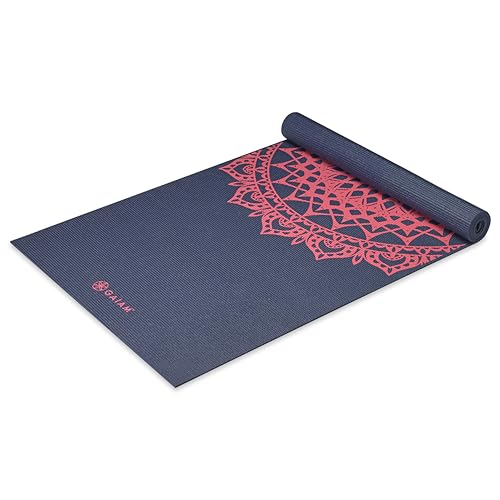
Fit, fabric feel, durability, and grip change most. Premium gear uses higher quality materials that last longer and perform better, but budget options work fine for beginners or casual practice.
Whether you’re new to yoga or a seasoned practitioner, the gear aisle can be overwhelming. From budget mats at big box stores to premium brands with high price tags, you might wonder what you’re actually paying for. This article cuts through the hype and gives you an honest look at what changes when you upgrade from budget to premium yoga gear.
Yoga Mats: Where Grip and Durability Matter Most
The yoga mat is your foundation. Budget mats are often made of PVC (polyvinyl chloride) which can be slippery when wet and may have a strong chemical smell at first. They tend to wear out quickly, losing grip and padding after a few months of regular use. Premium mats, on the other hand, are typically made from natural rubber, cork, or high density PVC with a textured surface that provides better grip, even when you’re sweaty.
Premium mats also offer superior cushioning and stability. They are thicker and denser, which makes a difference during standing poses and on hard floors. They also last significantly longer, often years, without peeling or losing shape. However, natural rubber mats can have a strong rubber smell initially, and they’re heavier to carry. For occasional practice or if you’re on a tight budget, a well reviewed budget mat can serve you fine. But if you practice daily or have sensitive joints, investing in a premium mat can enhance your comfort and safety.
Yoga Clothes: Comfort, Fit, and Longevity
Yoga clothes range widely in price and quality. Budget options are often made from basic polyester or cotton blends. They may be less breathable, more prone to pilling, and lose their shape or color after a few washes. The fit can be inconsistent, and seams might be uncomfortable during twists or inversions.
Premium yoga wear uses high quality fabrics like moisture wicking nylon or spandex mixes that feel soft against the skin, hold their stretch, and stay opaque even when bent over. They have flatlock seams to prevent chafing and are designed to move with you. They also tend to keep their color and shape wash after wash. That said, you can find budget activewear that works well for gentle yoga. The main difference is in the feel and durability. If you practice hot yoga or intense styles, premium fabrics can be a worthwhile upgrade for comfort and performance.
Yoga Blocks and Straps: Support and Stability
Props like blocks and straps are essentials for alignment and deeper stretches. Budget blocks are usually made of lightweight foam that can compress under heavy weight or slip on a sweaty mat. They may dent or break with frequent use. Straps are often made of thin nylon that can dig into the skin and have simple metal or plastic buckles that may not hold tight.
Premium blocks are made of dense cork or high density EVA foam that provide firm, stable support. They are heavier and more durable, and cork blocks have a natural texture that grips even when wet. Premium straps are wider, made of soft cotton or padded material, and have sturdy cam buckles that hold securely. These upgrades improve safety and comfort, especially for restorative or therapeutic practices. For occasional use, budget props are fine. But if you rely on props regularly, premium ones can make a noticeable difference.
Yoga Towels and Accessories: Small Upgrades with Impact
Yoga towels are a must for hot yoga or sweaty sessions. Budget towels are often basic microfiber that can bunch up, slip, or not absorb well. Premium towels are designed with silicone grippers on the corners to stay put, super absorbent microfiber, and antimicrobial treatments to prevent odor. They may also be larger to cover the mat completely.
Other accessories like eye pillows, bolsters, and bags also vary. Budget bolsters may be understuffed and lose shape, while premium ones use dense foam or buckwheat hulls for firm support. Eye pillows with silk or organic cotton and flaxseed fill feel more luxurious and block light better. The differences are subtle but can enhance relaxation and comfort. Again, for casual practice, budget options work, but for frequent use, premium accessories can elevate your experience.
Is Premium Yoga Gear Worth It for You?
Ultimately, the answer depends on your practice. If you attend yoga a few times a month and don’t sweat much, budget gear will likely meet your needs. Many people start with inexpensive mats and clothes and upgrade as their practice deepens. However, if you practice several times a week, especially in hot studios or with alignment focused styles, the improved grip, comfort, and durability of premium gear can prevent injuries and frustration.
Think of it this way: budget gear gets the job done, but premium gear feels better and lasts longer. You don’t need the most expensive options, but consider investing in the items you use most, like your mat and clothes. There is no right or wrong choice. Choose the gear that supports your practice and fits your budget, and remember that the most important thing is your commitment to the practice, not what you wear or use.
Frequently asked questions
Do I really need a premium yoga mat as a beginner?
No, a budget mat is fine to start. Upgrade later if your practice becomes regular or you need more grip and cushion.
Are expensive yoga clothes actually better for hot yoga?
Yes, premium fabrics wick moisture better and stay put during movement. Budget clothes can get heavy and uncomfortable when sweaty.
Do cork yoga blocks offer advantages over foam?
Cork blocks are firmer, more stable, and grip well when wet. They're more durable but heavier and pricier than foam.
How often should I replace my yoga mat if I practice daily?
A standard budget mat may need replacing every 6-12 months. A premium mat can last 2-5 years with proper care.
Looking to buy? See our Yoga guides for tested picks.