 Related pick
The main difference between water and magnetic rowers is the resistance feel: water rowers mimic real rowing with smooth, dynamic resistance while magnetic rowers offer quiet, adjustable magnetic drag. Water rowers are noisier and require more maintenance, whereas magnetic rowers are virtually silent and low maintenance. Choose based on your preference for realism vs convenience.
Choosing between a water rower and a magnetic rower can be confusing. Both provide an excellent full body workout, but they differ significantly in feel, noise, maintenance, and overall experience. In this article, we break down the key differences to help you decide which type best fits your home gym and rowing goals. No sales pitch, just honest advice.
How Resistance Works: Water vs Magnetic
Water rowers use a tank filled with water. A flywheel with paddles spins as you pull the handle, creating resistance proportional to your effort. The harder you pull, the more the water churns and the greater the resistance. This mimics the feel of rowing on real water because the drag increases naturally with stroke rate and power. You can adjust the resistance only by changing the water level in the tank (usually by adding or removing water with a pump).
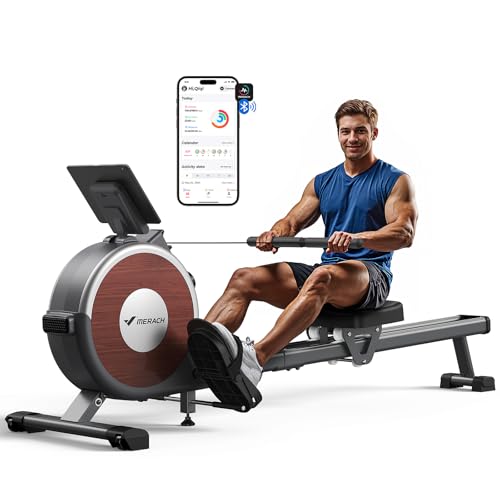
Magnetic rowers use a flywheel with magnets that create resistance. The magnets are positioned closer or farther from the flywheel to adjust drag. This resistance is consistent and independent of your stroke rate, meaning you set a specific level and it stays constant regardless of how fast or hard you pull. Magnetic systems are quieter and require less maintenance since there is no water to replace or treat. However, the feel is less like real rowing and more like a smooth, machine controlled motion.
Feel and Realism: Which Is More Like Real Rowing?
If you’re an experienced rower or want the most authentic on water feel, a water rower is the clear winner. The resistance builds naturally with each stroke, just like a boat accelerating through water. You feel the connection between effort and speed, and the subtle changes in drag as you adjust your pace. Many rowers say this dynamic feedback makes workouts more engaging and helps improve technique.
Magnetic rowers, by contrast, provide a smooth and uniform resistance. They don’t replicate the feeling of water drag, but some users prefer this consistency for precise interval training or if they find the water rower’s resistance too variable. The magnetic rower’s feel can be described as polished and predictable, which may suit those focused on data driven workouts or who dislike the sloshing sensation.
Noise Level: Water Rowers Are Louder
Water rowers make a distinctive swishing sound as the paddles churn the water. This noise is often described as pleasant and meditative, like a rushing stream, but it can be fairly loud, especially during vigorous rowing. In a quiet home environment, the sound may be intrusive if others are working, watching TV, or sleeping nearby. Some users love the white noise effect, while others find it distracting.
Magnetic rowers are extremely quiet. Because the flywheel is suspended by magnets, there is almost no sound beyond a faint whir from the flywheel and the gentle glide of the seat. This makes magnetic rowers ideal for apartments, shared living spaces, or early morning workouts when noise is a concern. If silence is a priority, magnetic is the way to go.
Maintenance and Durability
Water rowers require periodic maintenance. You need to add a purification tablet to prevent algae and bacteria growth, and the water should be replaced every 6 to 12 months depending on usage and climate. The tank can develop leaks over time, and seals may need replacement. If you move frequently, draining and refilling the tank is a hassle. On the plus side, the design is simple and many parts can be repaired.
Magnetic rowers are almost maintenance free. There is no water to change, no tank to clean, and no risk of leaks. The magnetic system does not wear out, and the only moving parts are the flywheel bearings, seat rollers, and the chain or strap. These components are generally durable and easy to replace if needed. For long term ease of ownership, magnetic rowers win.
Which One Should You Choose?
Your choice ultimately depends on your priorities. If you value authentic rowing feel, don’t mind some white noise, and are willing to perform basic maintenance, a water rower can enhance your workout connection and enjoyment. It is especially popular among rowers who want to mimic on water conditions at home. However, be prepared for the noise and occasional upkeep.
If you prioritize quiet operation, minimal maintenance, and consistent resistance for targeted training, a magnetic rower is a practical choice. It excels in shared spaces and for users who want a plug and play experience. Consider your living situation, workout style, and how much you want to engage with the machine’s character. Both will give you a fantastic cardiovascular and strength workout, so pick the one that aligns best with your lifestyle.
Frequently asked questions
Can you adjust resistance on a water rower?
Yes, but only by changing the water level in the tank. Adding more water increases resistance, removing water reduces it. This is not as convenient as magnetic rowers where you instantly change levels with a dial.
Are magnetic rowers accurate for tracking performance?
Most magnetic rowers provide consistent resistance, so performance data like split times and power output can be very repeatable. However, electronic sensors can vary by brand, so check reviews for accuracy.
Which rower is better for small spaces?
Both types can fold or store vertically, but magnetic rowers are usually lighter and easier to move. Water rowers are heavier due to the water tank, making them harder to relocate in tight spaces.
Do water rowers require electricity?
No, water rowers are manual and require no power. Magnetic rowers also typically don't need electricity unless they have a console with Bluetooth or backlight features.
Looking to buy? See our Rowing Machines guides for tested picks.