 Related pick
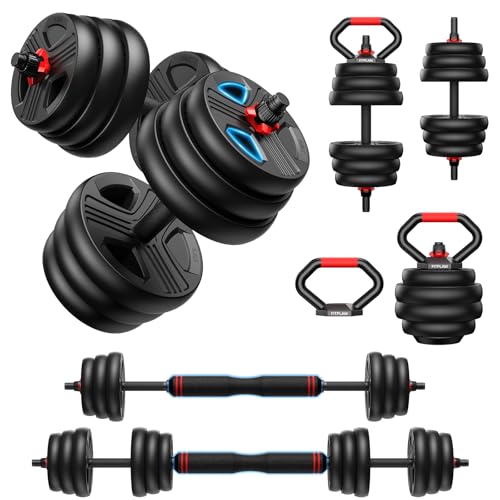
The best first purchase for a home gym is a set of adjustable dumbbells and a bench. They offer versatility for countless exercises, save space, and allow progressive overload. Add a pull-up bar or resistance bands for more options.
Starting a home gym can feel overwhelming, but you don’t need a lot of equipment to get a great workout. This guide focuses on what to buy first, prioritizing versatility, space, and proven effectiveness. Whether you’re a beginner or experienced, these picks will set you up for success without breaking the bank or cluttering your home.
Why Start with Adjustable Dumbbells
Adjustable dumbbells are the single most versatile piece of equipment for a home gym. They allow you to perform a huge range of exercises, from presses and rows to lunges and curls, all while taking up minimal space. Unlike fixed dumbbells, one set can replace an entire rack, making them ideal for small areas. Look for a set with a quick change mechanism so you can easily adjust weight between sets.
Progressive overload is key to building strength. With adjustable dumbbells, you can increase weight in small increments, which is crucial for continued progress. They also suit a wide fitness level: start light and add weight as you improve. Pair them with a workout bench for maximum exercise variety.
For those on a tight budget, spinlock dumbbells are a cost-effective alternative. They require more time to change weights but offer the same benefits. Avoid cheap non-adjustable sets; they limit your growth and take up too much space.
The Essential Workout Bench
A quality adjustable bench is the second must have. It enables incline, decline, and flat exercises, targeting your chest, shoulders, and back from different angles. Also use it for seated dumbbell work, step ups, and hip thrusts. Look for a sturdy bench that supports at least 500 pounds and has a wide seat for comfort.
A foldable or vertical storage bench saves space when not in use. Some benches come with leg extension attachments, but these aren’t necessary initially. Focus on a bench with multiple back angles (e.g., 0, 30, 45, 90 degrees) and a removable seat pad if you want to do preacher curls.
Safety note: always ensure the bench is on a non slip surface and that your dumbbells are within easy reach. A bench with wheels makes moving it around easier, especially in a small room.
Pull Up Bar: Upper Body Power
A pull up bar is one of the best upper body strength builders you can add. It works your back, biceps, and shoulders, and supports bodyweight exercises like hanging leg raises. Choose between doorway mounted, wall mounted, or freestanding pull up stations. Doorway bars are easiest to install and suitable for most spaces; ensure your door frame can handle the weight.
If you can’t do a full pull up yet, use resistance bands for assistance or start with negative reps. Many pull up bars also allow for classic grip positions: wide, neutral, and chin up. For added versatility, get a bar that offers multiple grip widths.
Pull ups are a compound movement that also challenges your core and grip strength. Add a set of gymnastics rings for even more upper body and core exercises (rows, dips, ring push ups). Rings hang from the pull up bar and store easily.
Resistance Bands: Lightweight Versatility
Resistance bands are the most portable and space efficient equipment. They come in various resistance levels and can supplement any workout. Use them for banded pull ups, glute activation, stretching, or to add tension to bodyweight exercises like pushups and squats. They are also great for warming up and cool down mobility work.
Loop bands (continuous bands) are ideal for lower body work, while tube bands with handles are better for upper body isolation. A set of 3 to 5 bands covering light, medium, and heavy resistance will cover most needs. They are also travel friendly and can be stored in a drawer.
Resistance bands are not a replacement for dumbbells, but they add variety and are excellent for accommodating different fitness levels. They are also gentler on joints during rehabilitation. However, be aware that bands wear out over time and lose elasticity; replace them when they show signs of fraying.
Flooring and Accessories for Safety and Comfort
Your home gym floor needs protection and grip. Interlocking foam mats or rubber gym tiles are affordable and protect your floor from dropped weights and sweat. They also reduce noise and provide a non slip surface. If you have a garage or concrete floor, thicker rubber mats are better; for carpeted rooms, a simple workout mat works.
Don’t forget a full length mirror to check your form. It helps you avoid injury and ensure proper technique. A foam roller for myofascial release is also cheap and speeds up recovery. Finally, a water bottle and towel are simple but essential.
While these may not be glamorous, they are necessary for a safe and enjoyable workout space. Avoid buying expensive gadgets or machines early on; stick to the basics and build from there as your needs evolve.
Frequently asked questions
How much weight should I get for adjustable dumbbells?
Start with a set that goes up to at least 50 pounds per dumbbell. This covers most exercises for beginners to intermediate lifters. You can always add more plates later.
Can I get a good workout with just resistance bands?
Yes, resistance bands can provide a challenging workout for strength and conditioning. However, they lack the ability to load heavy weight, so for serious strength gains, dumbbells are preferable.
What is the best bench for a small space?
A foldable adjustable bench that can stand vertically is ideal. Look for one that is sturdy, has a wide seat, and multiple back angles. Avoid benches with bulky leg attachments.
Do I need a squat rack?
Not initially. Dumbbells and a bench allow for many squat variations. If you progress to heavy barbell squats, then a rack becomes important. Starting without it saves space and money.
Looking to buy? See our Strength Training guides for tested picks.