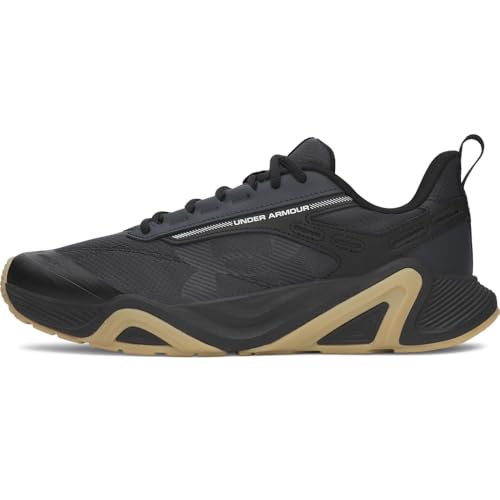
 Related pick
To find your running shoe size, measure your foot length from heel to longest toe while standing. Add a thumb's width of space (about half an inch) between your longest toe and the shoe end. Go up half a size if in doubt, as feet swell during runs.
Getting the right running shoe size is one of the most important steps you can take for your comfort, performance, and injury prevention. A poorly fitted shoe can lead to blisters, black toenails, and even long term issues like plantar fasciitis or shin splints. This guide breaks down everything you need to know to measure your feet, understand sizing quirks, and find your ideal fit.
Why running shoe size differs from casual shoe size
Most people wear a running shoe that is half to one size larger than their casual or dress shoe. This is because feet naturally swell during a run; increased blood flow and impact cause your feet to spread and elongate. A larger shoe gives your toes room to splay and prevents jamming against the toe box.
Additionally, different shoe brands and models have their own sizing variations. A size 10 in one brand might fit like a 9.5 in another. Even within the same brand, a racing flat may fit tighter than a daily trainer. Never assume your size carries over. Always try shoes on and measure each foot individually, as one foot is often slightly larger.
Running also requires a secure heel lock to prevent sliding, which can cause friction blisters. A slightly larger shoe allows you to tie the laces snugly around the midfoot and ankle without constricting your toes.
How to measure your foot for running shoes
The most accurate way to measure your foot is to trace it on a piece of paper while standing. Stand barefoot on a hard floor, place the paper against a wall, and trace around your foot with a pencil held vertically. Measure the distance from the heel edge to the tip of your longest toe. Do both feet and use the larger measurement.
Then compare your measurement to a shoe brand’s size chart. Keep in mind that charts vary, so use the measurement as a starting point. The typical conversion: a foot length of 10.5 inches corresponds to a women’s size 8.5 or men’s size 7 (US). But again, check each brand.
Another key measurement is width. If your feet are wide or narrow, look for brands that offer width options. A too-narrow shoe can cause numbness or bunions; too wide can lead to sliding. You can also trace your foot’s widest part (ball of foot) to compare with shoe width specs.
The thumb width rule and how to test fit
Once you have a shoe on, stand up and check the space between your longest toe and the end of the shoe. You should have about a thumb’s width of space, roughly half an inch. This ensures your toes don’t hit the front during downhill running or when your foot slides forward on impact.
To test the heel fit, try to slide your finger down the back of the shoe while your foot is in it. Your finger should fit snugly but not tightly. If you can easily slip your finger in and out, the shoe is too loose. Also check the width: the sides of the shoe should hug your foot without pinching. You should be able to wiggle your toes freely.
Finally, walk or jog a few steps on a carpeted area. Pay attention to any pressure points or slipping. The shoe should feel comfortable immediately. Don’t plan on breaking them in; modern running shoes should feel right from the start.
Factors that affect fit and sizing choices
Your foot changes throughout the day and with activity. Measure your feet in the afternoon or evening after you’ve been on your feet for a few hours, as this is when your feet are largest. Also, if you run long distances, consider sizing up half a size to accommodate swelling over time.
Sock thickness plays a role. If you wear thin socks, your shoe size may differ from when you wear thick cushioned socks. Always try on shoes with the socks you plan to run in. Some runners prefer a thin liner sock with a medium running sock for blister protection; others like a single thick sock. Adjust accordingly.
Your running gait and foot strike can also influence fit. If you overpronate, you may need a stability shoe with a wider base. For neutral runners, a cushioned neutral shoe is fine. Additionally, the shape of your foot arch can affect where you feel pressure. High arches may need more cushioning in the forefoot, while flat feet may need firmer support.
Common sizing mistakes and how to avoid them
One frequent mistake is buying the same size in every brand. As mentioned, sizing varies. Another is ignoring the width. Many runners assume a standard width (D for men, B for women) is always correct, but if your foot is wide, you may need an E or 2E. If narrow, consider A or B widths.
People also often forget to check the toe box shape. Some shoes have a tapered toe box that can cramp toes, especially if you have wider toes or a wider forefoot. Look for brands with a rounded or anatomical toe box if you need extra room.
Lastly, don’t buy shoes based solely on the size you wore years ago. Feet can change size due to aging, weight fluctuations, pregnancy, or injury. Always remeasure before purchasing a new pair. A simple at home measurement every time you shop can save you from discomfort and wasted money.
When in doubt, go to a specialty running store where a fitter can assess your feet and watch you walk or jog. They can measure your arch, gait, and recommend specific models. Even if you buy online later, getting fitted in person once gives you a baseline for your true size.
Frequently asked questions
Should I buy running shoes a half size bigger?
Yes, most runners need a half to full size larger than their casual shoe to allow for foot swelling and toe movement. The thumb width rule is a reliable guide.
How much room should be at the end of a running shoe?
You should have about a thumb's width, roughly half an inch, between your longest toe and the shoe's end. This prevents toe jamming during runs.
Do running shoes stretch over time?
Some materials like knit can conform to your foot shape, but they won't stretch significantly in length. Always buy for immediate comfort, not potential break in.
Can I wear the same size in different running shoe brands?
No, sizes vary between brands and even models. Always measure your foot and check the specific brand's size chart before buying.
Looking to buy? See our Footwear guides for tested picks.