 Related pick
Common strength training equipment problems include rust on free weights, snapping resistance bands, sticky machine cables, wobbly benches, and worn accessories. Fixes involve routine cleaning and maintenance, checking for wear, lubricating moving parts, tightening loose components, ensuring proper storage, and replacing items past their useful life to maintain safety and performance.
Strength training is a cornerstone of fitness, offering profound benefits from increased muscle mass to improved bone density. Your equipment is central to this effort, yet it can present its own set of challenges. Understanding common equipment problems and their practical solutions is crucial not just for extending the life of your gear, but more importantly, for maintaining safety and consistency in your workouts. This guide offers expert advice on troubleshooting and fixing issues across various types of strength training equipment, helping you stay focused on your fitness goals.
Free Weights: Barbells, Dumbbells, and Kettlebells
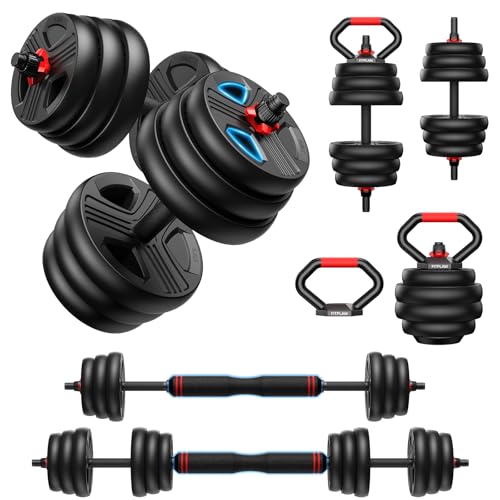
Free weights are fundamental to many strength training routines, but their constant use can lead to specific wear and tear. Rust is a prevalent issue, particularly in humid environments or with inconsistent cleaning, making grips slippery and potentially compromising the weight’s integrity over time. Another common problem involves loose barbell collars or dumbbell end caps, which can cause plates to shift or even slide off during lifts, creating a significant safety hazard. Furthermore, the knurling, designed for grip, can become smooth from repeated friction or, conversely, too abrasive if poorly maintained, affecting your hold.
Addressing these issues begins with consistent care. For rust, a wire brush and a light coat of rust-inhibiting oil or spray can often restore the surface; ensure you wipe off excess to maintain grip. Proper storage in a dry area is paramount to prevent future corrosion. For loose collars, inspect them regularly. If they are spring collars, check for weakened springs and replace as needed. For spin-lock collars, ensure the threads are clean and free of debris, tightening them securely before each use. If the knurling is becoming too smooth, a thorough cleaning might remove embedded oils and skin, restoring some texture. If it’s overly sharp, a fine-grit sandpaper can gently smooth out sharp points without eliminating the grip entirely. Always prioritize a secure grip to prevent accidents and optimize your lifting performance.
Beyond rust and collars, consider the overall stability of fixed dumbbells or kettlebells. Over time, the bond between the handle and the weight itself can weaken, leading to a wobbling sensation. While often not repairable at home, recognizing this early is important. Continual use of a wobbly weight can indicate a manufacturing defect or extreme wear, suggesting it might be time to retire that particular piece for safety. Regular visual inspection of all free weights for cracks, bends, or other structural damage should be part of your routine. This proactive approach ensures your equipment remains dependable and safe for every rep.
Resistance Bands and Tubes: Stretch, Snap, and Solutions
Resistance bands and tubes offer versatile strength training without the bulk of weights, but they are prone to their own set of challenges. The most critical issue is snapping or tearing, which can occur suddenly and lead to injury. This often results from small nicks, prolonged exposure to direct sunlight or extreme temperatures, or simply overstretching the band beyond its intended elastic limit. Another frequent complaint is the band rolling up or twisting uncomfortably during exercises, especially with wider, flat bands, disrupting the movement and causing skin irritation. Over time, bands can also lose their elasticity, significantly diminishing the resistance they provide and making workouts less effective.
To mitigate the risk of snapping, regularly inspect your bands for any signs of wear: small tears, nicks, or areas that appear faded or brittle. If you find such damage, err on the side of caution and replace the band immediately, as a partial tear is a precursor to a full snap. Store bands away from direct sunlight, extreme heat, or sharp objects, preferably coiled loosely in a drawer or container. Avoid stretching bands more than three times their resting length, as this can permanently damage the material. For bands that roll or twist, consider using wider, fabric-based loop bands, which tend to stay in place better than traditional latex or rubber bands. Alternatively, adjusting your body positioning or using a band anchor can sometimes prevent rolling.
When bands begin to feel less resistant, even when using the same exercises and range of motion, it’s a clear sign their elasticity is compromised. While there’s no way to restore lost elasticity, investing in a fresh set is a worthwhile step to maintain the effectiveness of your training. Pay attention to the material and construction of new bands; higher quality latex or multi-layered designs often offer greater durability and consistent resistance. Always choose bands appropriate for your strength level, ensuring you are neither overstretching a too-light band nor struggling excessively with one that is too heavy, which can also contribute to premature wear.
Strength Machines and Cable Systems: Smooth Operation and Common Hang-ups
Gym machines and cable systems provide guided, consistent resistance, but they aren’t immune to operational glitches. A frequent frustration involves sticky or jerky cables, often caused by friction, grime buildup, or inadequate lubrication along the pulleys. This can lead to uneven resistance throughout a movement, making exercises feel awkward and potentially straining muscles incorrectly. Another common problem is noisy pulleys, characterized by squeaks or grinding sounds, which indicate a need for lubrication or inspection of the pulley’s bearing. Furthermore, worn upholstery on pads and seats not only looks unsightly but can also become uncomfortable or even tear further, exposing foam and compromising hygiene.
For sticky cables and noisy pulleys, the primary fix is often lubrication. Use a silicone-based spray lubricant, applying it directly to the cables and inside the pulley mechanisms. Before applying, it’s beneficial to wipe down the cables and pulleys with a clean cloth to remove any accumulated dust or dirt. If the noise persists or the cable remains sticky, it might indicate a more serious issue like a damaged pulley bearing or a fraying cable, requiring professional attention. For worn upholstery, while temporary patches are possible, the best long-term solution is professional reupholstering, which restores comfort, appearance, and extends the machine’s lifespan. Regularly wiping down all machine surfaces, especially after use, also helps prevent grime buildup.
Beyond cables and upholstery, machine specific issues include selector pins that get stuck or are difficult to insert, and footplates or handles that become loose. Stuck pins often result from slight bending, debris in the weight stack holes, or misaligned plates. Inspect the pin for any deformity and ensure the weight stack holes are clear. Sometimes, simply wiggling the pin gently can help it slide into place. For loose components, check for accessible bolts and screws that might have vibrated loose over time. Tightening these carefully can often restore stability and function. If parts remain wobbly or problematic after these checks, consulting with a machine maintenance specialist is advisable to diagnose and repair any internal mechanism issues.
Benches and Racks: Stability, Structure, and Safety
Adjustable benches and squat racks are foundational pieces of strength training equipment, vital for supporting heavy loads and ensuring proper form. Their primary purpose is stability, yet they frequently present issues related to wobble or structural integrity. Loose bolts are a leading cause of instability in benches and racks, leading to an unsafe platform that can shift during lifts. This wobble not only compromises safety but also diverts focus, making it harder to execute exercises with precision. Another common concern with adjustable benches is sticky or malfunctioning adjustment mechanisms, making it difficult to change angles or secure the bench in position, which can disrupt workout flow and limit exercise variety.
The most straightforward fix for a wobbly bench or rack is a thorough inspection and tightening of all bolts and fasteners. Regularly check every visible bolt on the frame, ensuring they are snug but not overtightened to avoid stripping threads or deforming the tubing. If a bolt consistently loosens, consider applying thread-locking fluid to secure it more firmly. For benches, also inspect the padding for tears or compression, as deteriorated upholstery can compromise comfort and support. Small tears can sometimes be mended with heavy-duty repair tape, but significant damage warrants professional reupholstering or considering a replacement for long-term comfort and hygiene.
Addressing issues with adjustment mechanisms requires careful attention. For pins that are hard to pull or slide, clean the pin and the receiving holes of any debris or rust. A light application of silicone lubricant can help smooth movement. If the issue is with a spring-loaded pop-pin, check the spring tension and ensure the pin isn’t bent. Sometimes, the problem lies within the internal mechanism, which may require partial disassembly or professional service. Always ensure the bench is fully locked into position before bearing weight. For squat racks, also verify the integrity of safety spotter arms and J-hooks; ensure they are securely inserted and free of cracks or significant wear, as these are critical safety components during heavy lifts.
Strength Training Accessories: Straps, Belts, and Specialty Grips
Strength training accessories, including lifting straps, weightlifting belts, and specialty grips, play a significant role in enhancing performance and support. However, these items are subject to considerable wear and tear, often leading to problems like frayed materials, loss of structural integrity, and hygienic concerns. Lifting straps can fray or tear at the seams, particularly where they bear the most load, potentially failing mid-lift. Weightlifting belts, especially leather ones, can crack, stretch, or develop worn holes, compromising their ability to provide stable core support. Even specialty grips can degrade, losing their texture or developing uncomfortable edges, which might impede rather than aid your lift.
Regular inspection is key to addressing these accessory problems. For lifting straps, examine the stitching and fabric for any signs of fraying or thinning before each use. If the material appears compromised, it’s safer to replace them than risk a dropped lift or injury. For belts, check the leather or synthetic material for cracks, especially around the buckle holes, and ensure the buckle mechanism itself is functioning smoothly. If a belt no longer feels supportive or shows significant degradation, its protective benefits are diminished, and it’s time for a replacement. Maintaining hygiene is also crucial; straps and belts absorb sweat, so periodic cleaning according to the manufacturer’s instructions can prevent odor and material breakdown.
Many accessory issues stem from improper use or selection. For example, using straps for every lift can prevent your natural grip strength from developing. Understand when and how to appropriately use these aids. When selecting new accessories, prioritize durability and proper fit. A belt that is too loose or too tight will not provide optimal support. For grips, ensure they fit your hand comfortably and enhance your hold without creating new pressure points. While some wear is inevitable with consistent use, proactive care and timely replacement of these supportive tools ensure they continue to enhance, rather than hinder, your strength training journey.
Frequently asked questions
How often should I clean my strength training equipment?
Regular cleaning after each use, especially wiping down surfaces, helps prevent sweat and grime buildup. A more thorough cleaning, like checking bolts or lubricating moving parts, is advisable monthly or quarterly depending on usage frequency.
Can I repair a frayed cable on a strength machine myself?
Attempting to repair a frayed cable on a strength machine is generally not recommended due to safety risks. A frayed cable is a critical failure point and should always be replaced by a qualified technician to ensure safe operation.
What's the best way to prevent rust on free weights?
Storing free weights in a dry, low-humidity environment is crucial for rust prevention. Regularly wiping them down with a light oil or rust-inhibiting spray, especially after handling, can also provide a protective barrier.
How do I know when to replace a resistance band?
Replace a resistance band immediately if you notice any visible tears, nicks, or areas of extreme discoloration and thinning. A significant loss of elasticity, making the band feel too easy, also indicates it's time for a new one.
Looking to buy? See our Strength Training guides for tested picks.