 Related pick
Dumbbells are best for isolated muscle growth, balanced strength, and precise progression, while kettlebells excel at explosive power, dynamic movement, and cardio. Your choice depends on goals: dumbbells for bodybuilding, kettlebells for functional fitness.
Walk into any gym, and you’ll see rows of dumbbells and a rack of kettlebells. Both are versatile, compact, and effective, but they’re not interchangeable. Choosing between them depends on your specific fitness goals, experience level, and the kind of training you enjoy. This guide breaks down the key differences so you can decide which tool deserves a spot in your home gym or workout routine.
1. What Each Tool Does Best
Dumbbells are the gold standard for isolating muscles. Their balanced design allows you to target specific muscles like biceps, triceps, or quads with precise control. This makes them ideal for bodybuilding, rehabilitation, and building symmetrical strength. You can easily add small increments of weight (like 2.5 pounds) to gradually increase load a key factor for muscle growth.
Kettlebells shine in dynamic, compound movements. The off-set center of gravity forces your stabilizer muscles to work harder during swings, snatches, and cleans. This builds explosive power and enhances cardiovascular endurance simultaneously. Kettlebells are a favorite for high-intensity interval training (HIIT) because they combine strength and cardio in one fluid motion.
2. Comparing Range of Motion and Movement Patterns
Dumbbells allow for a full range of motion in most exercises, especially pressing and pulling movements. You can take your arms through a natural arc during a bench press or curl, which is great for joint health. However, heavy dumbbells can be awkward to get into position for floor exercises like chest presses.
Kettlebells enable unique ballistic movements that dumbbells can’t replicate. The kettlebell swing, for example, involves a hip hinge that builds posterior chain strength (glutes and hamstrings) with a cardio punch. The kettlebell goblet squat is also beginner-friendly, as the weight counterbalances your torso, making it easier to achieve proper depth.
3. Space, Cost, and Versatility at Home
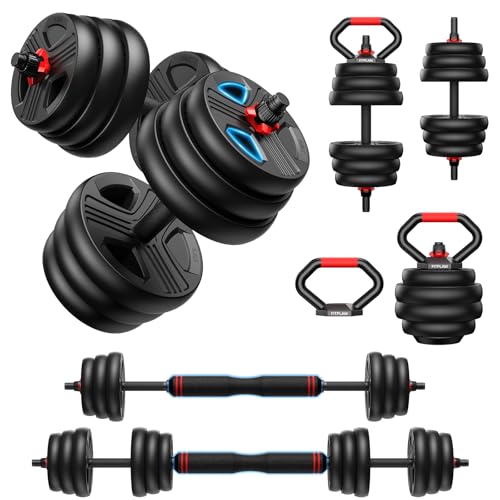
For home gyms, storage and budget are real concerns. Adjustable dumbbells save space and give you a wide weight range from 5 to 50-plus pounds in one compact unit. They’re a solid all-around choice if you want to do everything from curls to squats. Fixed dumbbells take more room but feel sturdier.
Kettlebells are simpler: you only need a few weights (light, medium, heavy) to get a full body workout. They take up less floor space and are easier to store on a rack or shelf. A single 35-pound kettlebell can provide a challenging workout for many exercises, but you lose the ability to make tiny weight jumps. For progressive overload, dumbbells give more control.
4. Learning Curve and Safety
Dumbbells are more intuitive. Most people have done a dumbbell curl or shoulder press, and the risk of injury is low with proper form. They’re safer for beginners because you can easily drop them if needed (with rubberized ends).
Kettlebells have a steeper learning curve. Moves like the snatch and clean require coordination and technique to avoid wrist or back strain. A mistimed swing can lead to lower back pain. However, once mastered, they offer a uniquely efficient workout. Many trainers recommend starting with a lighter kettlebell and watching tutorial videos before going heavy.
5. Which Should You Choose?
If your primary goal is building muscle mass (hypertrophy) or fixing muscle imbalances, dumbbells are the better bet. They allow for unilateral training (one arm at a time) which corrects strength asymmetry. For general fitness, fat loss, and improving power, kettlebells often deliver more bang for your buck in less time because of the cardio component.
The honest truth: you don’t have to pick one. Many athletes use both. Use dumbbells for isolation work (e.g., bicep curls, lateral raises) and kettlebells for explosive circuits. If you can afford two kettlebells and a set of adjustable dumbbells, you’re set for years. But if budget is tight, consider your primary goal: dumbbells for slow, controlled strength gains; kettlebells for dynamic, calorie-torching sessions.
Frequently asked questions
Can I build muscle with just kettlebells?
Yes, but it's less efficient for isolated muscle growth than dumbbells. Kettlebells excel at full body strength and power but lack the range of motion for precise targeting of small muscle groups.
Are kettlebells better for weight loss than dumbbells?
Generally yes, because kettlebell swings and snatches elevate heart rate more consistently. The explosive movements combine strength and cardio, burning more calories per minute than most dumbbell routines.
Which is safer for beginners?
Dumbbells are safer for most beginners due to their intuitive movements and lower risk of ballistic impact. Kettlebells require proper form to avoid back and wrist injuries.
Can one replace the other?
Not completely. Dumbbells offer precise isolation and progression, while kettlebells provide dynamic power and cardio. For a balanced home gym, consider having both or choosing based on your primary goal.
Looking to buy? See our Dumbbells Weights guides for tested picks.