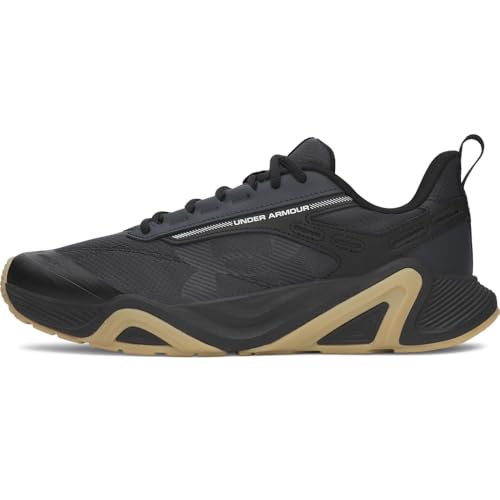
 Related pick
The ideal amount to spend on training shoes depends on your specific needs, training frequency, and personal priorities. Value is found in a shoe that adequately supports your activities, provides comfort, and offers reasonable durability, rather than adhering to a strict price point. Focus on fit, function, and expected lifespan over initial cost, understanding that both budget-friendly and higher-priced options can offer excellent value if they meet your individual requirements.
Navigating the vast selection of training shoes can be overwhelming, especially when trying to determine how much you should realistically spend. Many factors influence a shoe’s cost, but a higher price tag does not automatically equate to better performance or suitability for your specific activities. This article aims to cut through the marketing noise, offering practical guidance on how to assess value and make an informed decision that truly benefits your training without overspending or underspending on essential gear.
Prioritize Your Training Needs Above All Else
Before even considering cost, the most crucial step is to honestly evaluate your training regimen. What types of exercises do you perform most often? Are you primarily lifting heavy weights, engaging in high intensity interval training, participating in agility drills, or a mix of activities? Each discipline places different demands on footwear. A shoe designed for stability in heavy lifts will differ significantly from one built for dynamic, explosive movements or prolonged cardio sessions. Understanding these core requirements will narrow your search considerably and guide you toward options that genuinely serve your purpose.
Consider also the frequency and intensity of your workouts. Someone training several times a week with high impact movements will likely need a more robust, specialized shoe than an individual who engages in light, casual gym sessions once or twice a week. The demands placed on the shoe’s cushioning, support structures, and outsole durability directly correlate with how frequently and intensely it will be used. A shoe that is perfectly adequate for occasional use might quickly break down under the stress of daily, rigorous workouts, making it a poor value in the long run regardless of its initial cost.
Understanding the Value Spectrum of Training Shoes
Training shoes generally fall into several broad categories based on their features, materials, and technological innovations, which in turn influence their cost. Entry-level options often provide basic support and cushioning, suitable for general fitness activities or individuals new to a specific type of training. These models can offer excellent value for those with less specialized demands or who are on a tighter budget, as long as they provide adequate comfort and support for their intended use. The focus here is on fundamental functionality and accessibility.
Mid-range selections typically incorporate more advanced materials, enhanced cushioning systems, or specialized stability features. These shoes often strike a balance between performance and affordability, appealing to a broad segment of athletes who train regularly and require a bit more from their footwear without venturing into highly specialized categories. You might find a noticeable upgrade in durability, responsiveness, or targeted support in this segment. At the higher end of the spectrum are premium models, which often feature proprietary technologies, lightweight advanced composites, or designs tailored for elite performance in very specific niches. While these can offer superior performance in their intended domain, their increased cost may not always translate to proportional benefits for the average gym-goer. It is essential to discern if these advanced features genuinely align with your needs or if you are paying for innovations that won’t significantly impact your personal training experience.
Durability and Longevity: A Key Indicator of True Value
The true value of a training shoe extends beyond its initial purchase cost; it encompasses how long it effectively supports your training before requiring replacement. A shoe that costs more upfront but lasts significantly longer or performs consistently well over an extended period can ultimately be a more economical choice than a cheaper pair that wears out quickly. Factors like the quality of the outsole rubber, the resilience of the midsole foam, and the integrity of the upper materials all contribute to a shoe’s lifespan. Regularly inspecting your shoes for signs of wear, such as compressed cushioning, worn treads, or tears in the upper, is crucial for maintaining performance and preventing injury.
Most experts suggest replacing training shoes every 300-500 miles of use or every 6-12 months, depending on activity level and personal wear patterns. However, for non-running specific training shoes, this guideline can be more fluid. If you are consistently training with high impact or heavy loads, your shoes may degrade faster. Consider the construction: shoes with minimal cushioning for ground feel might appear durable but can lose their structural integrity just as quickly as highly cushioned models. Investing in a shoe known for its robust construction and quality components, even if it means a slightly higher initial expense, often pays dividends in terms of sustained support, protection, and overall lifecycle, reducing the frequency of replacement purchases.
The Non-Negotiable Importance of Fit and Comfort
Regardless of a shoe’s price or its advertised features, if it does not fit comfortably and securely, it is not the right shoe for you. An ill-fitting training shoe can lead to a host of problems, including blisters, foot pain, altered gait mechanics, and even more serious injuries affecting the knees, hips, or back. Comfort is subjective, but proper fit involves sufficient room in the toe box, a secure midfoot, and a snug heel that prevents slippage without excessive tightness. It is always advisable to try on shoes, ideally at the end of the day when your feet are slightly swollen, and to mimic the movements you will perform in them. Walk, jump, squat, and perform some light agility drills to assess their performance.
A well-fitting shoe, even a moderately priced one, will always outperform an expensive shoe that does not properly accommodate your foot shape or provide adequate support for your specific biomechanics. Do not compromise on fit for the sake of a sale or a popular brand. Investing time in finding a shoe that feels right on your foot is paramount. Remember that different brands and even different models within the same brand can have varying last shapes, so what works well for one person may not work for another. Prioritize how the shoe feels on your foot over any external factor like price or recommendations, as your comfort and injury prevention are invaluable.
When to Consider a More Significant Investment (and When Not To)
There are specific scenarios where making a more significant investment in training shoes is genuinely justified. If you are an athlete who trains almost daily, competes frequently, or has highly specialized training requirements, such as Olympic weightlifting, competitive CrossFit, or specific court sports, then the enhanced support, durability, and performance features of a higher-priced, purpose-built shoe can be invaluable. Similarly, individuals with a history of foot or lower limb injuries, or those with specific biomechanical needs (e.g., severe overpronation), may benefit from shoes with advanced stability features or custom orthotic compatibility, which often come at a premium. In these cases, the added cost is an investment in injury prevention and sustained performance.
Conversely, for individuals who engage in less frequent, lower-impact workouts, or general fitness activities like walking on a treadmill or light strength training, a more budget-friendly or mid-range option is often perfectly adequate. There is no need to overspend on advanced technologies or specialized features that will not be fully utilized in your particular training context. It is about matching the shoe’s capabilities to your actual demands. Focus on finding a comfortable, supportive, and durable shoe that meets your basic needs without unnecessary frills. Being honest about your usage and performance expectations will guide you to a wise and economical choice, ensuring your investment is well-placed whether you opt for an affordable pair or a more premium selection.
Frequently asked questions
How often should I replace my training shoes?
General guidance suggests replacing training shoes every 6-12 months or after 300-500 miles of use, depending on your activity level and the shoes' condition. Look for signs of wear like reduced cushioning or worn-out tread to determine replacement timing.
Can I use running shoes for gym workouts and weightlifting?
While running shoes offer cushioning for cardio, they often lack the lateral stability and firm base required for activities like weightlifting or dynamic gym movements. Using a dedicated training shoe provides better support and reduces injury risk for varied gym routines.
What is the most important factor when buying training shoes?
The most important factor is undoubtedly the fit and comfort of the shoe for your specific foot shape and training activities. A well-fitting shoe provides proper support and prevents injury, which is more critical than brand or price.
Are more expensive training shoes always better?
No, more expensive training shoes are not always better; their value depends entirely on how well they meet your individual training needs and provide appropriate comfort and support. Focus on features relevant to your activities rather than just the price tag.
Looking to buy? See our Footwear guides for tested picks.