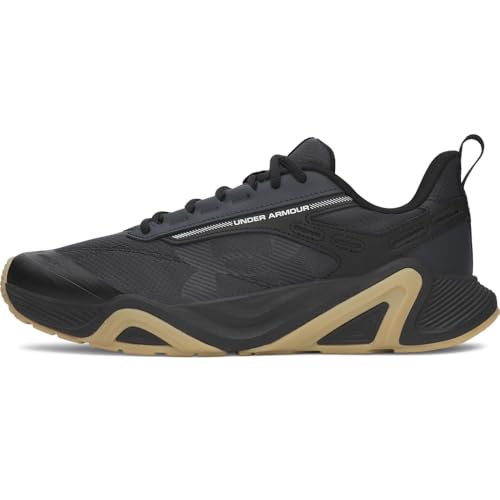
 Related pick
For low impact workouts like walking, yoga, Pilates, and barre, choose shoes with flexible soles, moderate cushioning, and a secure fit. Look for low heel-to-toe drop (0-6mm) for stability and ground feel. Avoid overly stiff or heavily cushioned running shoes.
Low impact workouts are a fantastic way to stay active while protecting your joints. Whether you’re walking, doing yoga, Pilates, barre, or light strength training, the right footwear can make a big difference in comfort and performance. This guide will help you choose shoes that support your feet without overcomplicating things.
What to Look for in Low Impact Workout Shoes
Low impact activities don’t require heavily cushioned or rigid shoes. Instead, prioritize flexibility, a stable platform, and a secure fit. Look for a shoe with a low heel-to-toe drop (0-6mm) that allows your foot to move naturally. A flexible forefoot is important for activities like walking and yoga where your foot bends.
Midsole cushioning should be moderate, not pillowy soft. Too much cushion can reduce stability and ground feel, which matters for balance-based workouts like barre and Pilates. A wider toe box helps toes splay naturally for better balance. Also consider the outsole: a flat, grippy surface works well for studio classes, while a slightly lugged outsole is better for outdoor walking.
Breathability matters if you tend to get warm. Mesh uppers keep feet cool. Also consider the shoe’s weight; lighter shoes are less fatiguing for longer sessions. Removable insoles allow you to swap in orthotics if needed.
Best Shoe Types for Walking and Hiking
For walking, you need a shoe that offers good arch support and a smooth transition from heel to toe. Avoid overly stiff shoes that resist bending. A rocker sole can help, but not too aggressive. Look for a cushioned heel that absorbs shock gently. Many walking shoes now have knit uppers for flexibility and breathability.
If you walk on trails, a low-top hiking shoe or trail runner with a grippy outsole works well. These provide more traction and a bit more support for uneven terrain. For pavement walking, a road shoe with a flat outsole is fine. Remember that walking shoes typically have a slightly lower drop than running shoes, around 4-8mm, which promotes a more natural gait.
For Nordic walking or brisk walking, consider a shoe with a responsive midsole that gives a little energy return. But again, don’t go for max cushion; it can feel unstable.
Best Shoes for Yoga, Pilates, and Barre
For yoga and Pilates, the ideal shoe is minimal. You want something that allows your foot to flex and grip the floor. Many people prefer going barefoot or wearing socks with grip. If you need footwear, look for a barefoot-style shoe with a thin, flat sole (0-4mm drop) and a wide toe box. The sole should be flexible enough to roll up. Avoid any raised heel or arch support, as it can interfere with alignment.
Barre classes often involve standing on the balls of your feet, so a shoe with a bit of cushion on the forefoot can be helpful. Some barre-specific shoes have a split sole to allow flexing. However, many barre enthusiasts use grippy socks or lightweight trainers. The key is stability: a shoe that prevents your foot from sliding inside and offers lateral support for side-to-side movements.
If you do a mix of studio classes and other low impact activities, a minimalist cross-trainer could work. Look for one with a low profile and a non-marking outsole.
Cushioning vs. Stability: Finding the Balance
Low impact workouts don’t require maximum cushioning. In fact, too much cushion can cause instability, especially during balance poses or standing exercises. A moderate amount of cushion is ideal for activities like walking or light jogging to absorb shock. But for yoga or Pilates, minimal cushion allows better sensory feedback from the floor.
Stability features, like medial posts or firm heel counters, are often unnecessary unless you have overpronation issues. For most low impact activities, a neutral shoe with a stable platform is best. Look for a wide base and a heel that doesn’t feel wobbly. A supportive arch can help but should not be too aggressive.
Your weight and foot type matter: heavier individuals may need slightly more cushioning, while those with flat feet might need a bit more arch support. Try shoes on and walk around; they should feel comfortable from the start with no break-in period needed.
How to Ensure a Proper Fit for Low Impact Shoes
Fit is crucial. Your toes should have wiggle room, about a thumb’s width from the longest toe to the end of the shoe. The heel should fit snugly without slipping. The midfoot should feel secure but not tight. Try shoes on with the socks you plan to wear. For yoga, thin socks or barefoot; for walking, thicker athletic socks.
Shop later in the day when feet are slightly swollen. If your feet are different sizes, fit the larger foot. Don’t rely on size alone; different brands vary. Consider trying a half size up if you have wide feet or need space for orthotics. Walk around the store and do some lunges or squats to test flexibility and stability.
Break them in gradually, but they should feel good immediately. If any pinching or rubbing occurs, they likely won’t get better. Remember that low impact shoes often last longer than running shoes because they experience less force, but still replace them when the midsole feels flat or the outsole is worn.
Frequently asked questions
Can I use running shoes for low impact workouts?
You can, but they may not be ideal. Running shoes have more cushion and a higher drop, which can reduce stability for activities like yoga or barre. For walking, they are fine, but consider a shoe designed specifically for low impact for better ground feel.
Do I need special shoes for Pilates?
Special shoes are not required, but grip socks or minimalist shoes can enhance performance. Regular athletic shoes with flexible soles work if they don't restrict foot movement. Avoid heavy trainers.
How often should I replace low impact workout shoes?
Replace them every 300-500 miles of walking or after 6-12 months for studio classes, depending on frequency. If the outsole is smooth or midsole feels dead, get new ones to avoid injury.
What is the best sole material for yoga shoes?
A thin, flat rubber sole with good grip is best. Avoid thick or lugged soles that hinder floor contact. Some yoga shoes have split soles for flexibility, but a simple minimal sole works well.
Looking to buy? See our Footwear guides for tested picks.