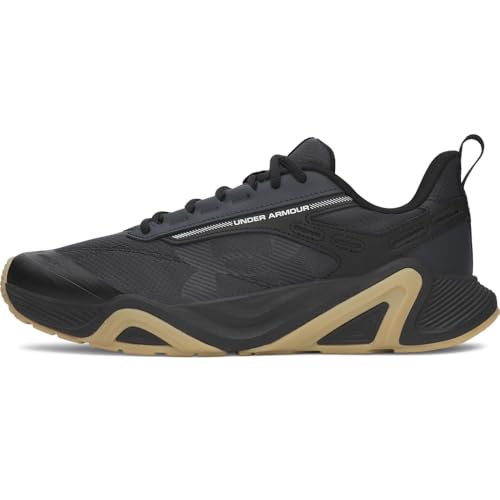
 Related pick
Choose gym shoes based on your primary workout type. For lifting, get flat, stable soles. For running, prioritize cushioning and support. For cross training, look for versatile shoes with lateral support.
Your gym shoes can make or break your workout. The wrong pair might cause discomfort, reduce performance, or even lead to injury. But with so many options, how do you pick the right ones? This guide helps you find the perfect gym shoes for your specific needs, without the hype.
Identify Your Primary Workout Type
Before you even look at shoes, think about what you actually do at the gym. Different activities put different demands on your feet, and shoes designed for one purpose may hurt your performance in another. The three main categories are lifting, cardio, and cross training.
If you mostly lift weights, you need shoes with a flat, firm sole for stability. Squatting in cushioned running shoes can make you wobbly and reduce power transfer. If you run on a treadmill or do HIIT, you need more cushioning and responsiveness. For a mix of activities, cross training shoes offer a good balance.
Be honest with yourself about your routine. If you do a little bit of everything, versatility is key. If you specialize, get specialized shoes. Many people own two pairs: one for lifting and one for cardio.
Match Shoe Features to Your Foot Type
Not all feet are the same. Your arch height and pronation pattern affect which shoes will support you best. A simple wet test at home can reveal your arch type: flat, neutral, or high. Wet your foot, step onto a paper bag, and check the imprint.
If you have flat feet (overpronation), look for shoes with stability features like a medial post or a firm midsole that controls inward rolling. Neutral feet are the most common and can wear a wide range of shoes with moderate support. High arches (underpronation) need extra cushioning to absorb shock, as your feet don’t roll inward enough to absorb it naturally.
Many big brands offer shoes designed for each foot type. When you try them on, walk or run in the store to feel how your foot behaves. Your shoe should support your natural stride, not fight it.
Consider the Shoe's Construction and Materials
The sole, upper, and midsole determine a shoe’s performance. For lifting, a hard, non-compressible sole is crucial. Look for a low heel-to-toe drop (0-4mm) to keep your feet flat. For running or jumping, a thicker, softer midsole with more drop (6-12mm) provides cushioning.
The upper should be breathable and secure. Mesh uppers are lightweight and ventilated, ideal for high-intensity work. Knit uppers offer a sock-like fit that adapts to your foot. For lateral movements like in tennis or basketball, reinforced side panels add stability. Avoid shoes with flimsy uppers that stretch over time.
Heel support is important for heavy lifting. A firm heel counter (the plastic piece around your heel) locks your foot in place and prevents sliding. If you do a lot of lunges or squats, check that your shoe doesn’t pinch or rub your Achilles.
Test for Fit, Comfort, and Function
Fit is king. Try shoes on at the end of the day when your feet are slightly swollen. Wear the same socks you plan to work out in. There should be about a thumb’s width between your longest toe and the end of the shoe. Your heel should not slip when you walk or jog in place.
Walk around the store, jog a few steps, do some lunges or squats if you can. If a shoe feels uncomfortable right away, it won’t break in to become better. Pay attention to pressure points, especially at the sides or the top of your foot. Your toes should be able to wiggle freely.
If you wear orthotics or have thick socks, bring them along. Some shoes have removable insoles, which give you more space. Many brands offer wide sizes for people with broader feet. Don’t settle for a shoe that feels tight or restrictive.
Buy from Brands with Good Reputation and Return Policy
Stick with brands known for gym footwear: Nike, Adidas, Reebok, New Balance, Under Armour, and specialized companies like Inov-8, Vibram, or Rogue for lifting shoes. These brands invest in research and quality materials. Avoid trendy lifestyle shoes that look gym-ready but lack proper support.
Check the return policy before buying. Many athletic retailers allow you to return or exchange unworn shoes within 30-60 days. Some even let you return after wearing them in the gym. This is valuable because you can test the shoe in your actual workout environment.
If you buy online, read reviews from people with similar workout habits. A rave review from a marathon runner may not help you for deadlifting. Look for specific comments about stability, breathability, and wear over time. Also, consider buying from a store with a knowledgeable staff who can answer questions.
Frequently asked questions
Can I use running shoes for lifting weights?
Running shoes are built for forward motion with extra cushioning, which can make your feet unstable under heavy weights. They are not ideal for lifting, especially for squats or deadlifts.
How often should I replace my gym shoes?
Replace gym shoes every 300 to 500 miles of running or after 6 to 12 months of regular use. If you notice uneven tread, compressed midsole, or discomfort, it is time for new ones.
What is the difference between men's and women's gym shoes?
Women's shoes are usually built with a narrower heel and wider toe box, and they often have different cushioning for lower body weight. If you are a man with narrow feet, women's sizes may fit better, but check the size conversion.
Do I need separate shoes for cross training and weightlifting?
If you do both seriously, having separate shoes can improve performance. Cross training shoes handle mixed activities, while dedicated lifting shoes offer a flat, stable base for heavy squats and deadlifts.
Looking to buy? See our Footwear guides for tested picks.