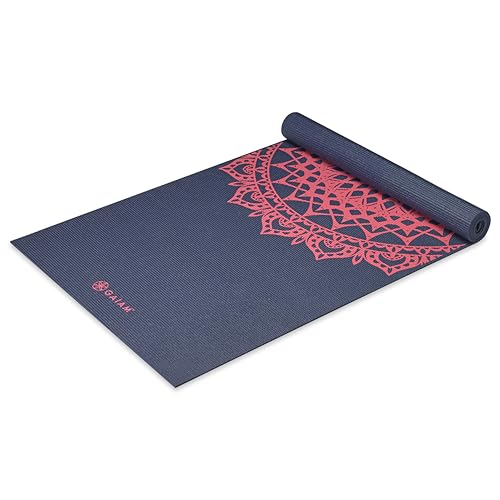
PVC yoga mats offer superior durability and grip, making them ideal for intense practices, but they are less eco-friendly. TPE mats are lighter, more sustainable, and provide good cushioning, but may wear out faster. Choose PVC for longevity and grip; choose TPE for portability and environmental concerns.
Choosing between a PVC and TPE yoga mat can feel overwhelming, especially with so many claims out there. Both materials have distinct strengths and weaknesses, and the right choice depends on your practice, priorities, and values. Let’s break down the key differences so you can make an informed decision.
What Are PVC and TPE Yoga Mats?
PVC, or polyvinyl chloride, is a synthetic plastic polymer that has been a standard in yoga mats for decades. It is known for its durability, excellent grip (even when wet), and cushioning. PVC mats are often textured or have a closed-cell surface that resists sweat and odors. However, PVC is not biodegradable and can release harmful chemicals during production and disposal.
TPE, or thermoplastic elastomer, is a blend of plastic and rubber that is more environmentally friendly. TPE mats are typically lighter, have a slightly softer feel, and are recyclable in many programs. They offer good traction but may not match PVC in terms of long-term durability or grip in hot, humid conditions. TPE mats are also often free of latex and other common allergens.
Both materials have their place in the yoga world, and understanding their properties will help you align your choice with your practice needs and environmental ethics.
Durability and Longevity
When it comes to durability, PVC mats are the clear winner. A quality PVC mat can last for years, even with daily use. The material is resistant to tearing, stretching, and compression, so it maintains its shape and support over time. Many PVC mats come with a warranty of several years, reflecting their expected lifespan. However, PVC mats can be heavy and may develop a slight chemical smell when new (which usually fades).
TPE mats are less durable. Over time, they may start to peel, flake, or lose their cushioning, especially if exposed to sunlight or high heat. A TPE mat might last six months to a year with regular practice, depending on the quality and usage. That said, TPE mats are often more affordable and lighter, which can be a trade-off for some practitioners.
If you practice daily or do vigorous styles like Ashtanga or Vinyasa, a PVC mat will likely serve you longer. If you practice occasionally or prefer a lighter mat for travel, TPE might be sufficient.
Grip and Traction
Grip is crucial for maintaining stability in poses, especially during sweaty sessions. PVC mats are famous for their excellent grip. Many have a textured surface or a sticky feel that prevents slipping, even when hands and feet are wet. This makes PVC a top choice for hot yoga or intense practices. However, the grip can be almost too sticky for some, making it hard to transition smoothly.
TPE mats offer decent grip, but they tend to be less sticky than PVC. Some TPE mats have a slight rubbery texture that provides good traction when dry, but grip can diminish as you sweat. TPE mats may also become slippery on very smooth floors. If you prioritize a non-slip surface, especially for hot yoga, PVC is generally more reliable.
Both materials can improve with use and cleaning. Some practitioners find that TPE mats break in over time and grip better after a few sessions. Ultimately, if grip is your top concern, PVC is the safer bet.
Environmental Impact and Safety
Environmental impact is a major differentiator. PVC is a petroleum-based plastic that is not biodegradable and can release toxic chemicals, such as phthalates, during manufacturing. Disposal is problematic because PVC mats often end up in landfills where they can persist for centuries. Some manufacturers have addressed this by using recycled PVC or making mats that are recyclable, but the process is limited.
TPE is considered more eco-friendly. It is often made from a blend of recycled materials and is recyclable itself (check with local facilities). TPE mats are free from PVC, latex, and other harmful chemicals, making them a safer choice for your health and the planet. However, TPE still has a plastic component and is not fully biodegradable. If sustainability is important to you, TPE is the better option, though neither material is perfect.
For the most environmentally conscious, look for mats labeled as non-toxic and free of phthalates, heavy metals, and other additives. Also, consider the mat’s lifecycle and how you’ll dispose of it.
Comfort, Weight, and Portability
Comfort comes down to cushioning and feel. PVC mats are typically denser and heavier, offering more support for joint-sensitive practitioners. They provide a stable base that doesn’t compress too much, which can help with balance. However, the extra weight (often 5-8 pounds) makes them less portable. Carrying a PVC mat to class can be a workout in itself.
TPE mats are lighter (2-4 pounds) and easier to roll up and carry. Many TPE mats come with carrying straps or are designed for travel. They have a softer, more cushioned feel that some find more comfortable, especially for restorative or yin yoga. However, the lighter weight can mean less stability, and the mat may slide on hard floors.
Your choice depends on whether you prioritize portability or a solid, supportive feel. If you travel often or walk to class, TPE’s light weight is a big plus. If you practice at home and want a durable, stable surface, PVC is likely better.
Frequently asked questions
Which yoga mat material is better for hot yoga?
PVC mats are generally better for hot yoga due to their superior grip, even when wet. TPE mats can become slippery with sweat, but some newer models have improved traction.
Are TPE yoga mats more environmentally friendly than PVC?
Yes, TPE mats are typically more eco-friendly because they are recyclable and free from PVC and phthalates. However, they are not biodegradable, so no mat is completely green.
Do PVC yoga mats have a strong smell?
Some new PVC mats have a chemical odor that usually dissipates within a few days to a week. TPE mats generally have less off-gassing and a milder scent.
How long does a TPE yoga mat last compared to PVC?
A quality PVC mat can last 3-5 years or more with regular use, while a TPE mat typically lasts 6 months to 2 years, depending on frequency and care.
Looking to buy? See our Yoga Mats guides for tested picks.