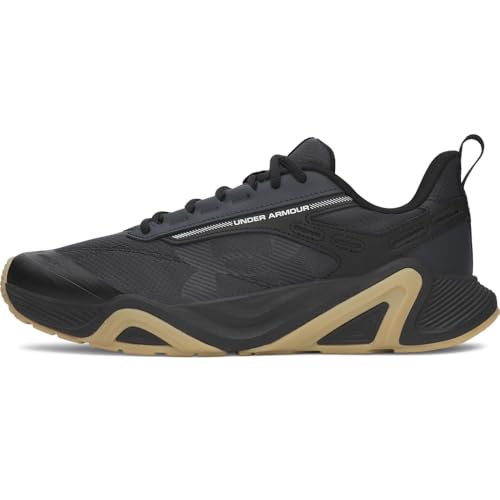
 Related pick
The best gym shoes for men depend on your primary activity: cross-trainers for varied workouts, running shoes for cardio, and lifting shoes for heavy weights. Prioritize fit, support, and durability over trends.
Walking into a gym with the wrong shoes is like bringing a fork to a soup competition. Your footwear can make or break your workout, affecting everything from performance to injury risk. This guide cuts through the marketing hype to help you choose gym shoes that actually suit your training style, foot shape, and budget. We focus on function, not fashion, so you can train smarter and stay safe.
Know Your Workout: Different Shoes for Different Goals
Not all gym shoes are created equal. The best shoe for you depends on what you do most. If you’re a dedicated powerlifter, you need a flat, stable sole like a deadlift slipper or a weightlifting shoe with a raised heel. For CrossFit or HIIT, you want a versatile cross-trainer that can handle lifting, jumping, and short runs. Cardio enthusiasts, on the other hand, benefit from running shoes with ample cushioning and flexibility.
Mixing activities? A good cross-trainer is your best bet. It offers a balance of stability for lifts and cushioning for dynamic moves. Avoid using running shoes for heavy squats because the soft sole compresses, making you unstable and increasing injury risk. Similarly, lifting shoes feel clunky for sprints. Identify your primary workouts, then choose accordingly.
Consider your frequency too. If you only hit the gym twice a week, a more specialized shoe might work. But for daily gym-goers, a well-rounded cross-trainer saves you from switching shoes. Remember: one shoe can’t do everything perfectly. Prioritize your main activity and compromise on others.
Fit and Comfort: The Non-Negotiable Factors
Fit is king. A shoe that’s too tight causes blisters and restricts blood flow; too loose leads to sliding and instability. Always try shoes on with the socks you wear to the gym. Look for a thumb’s width of space between your longest toe and the shoe’s end. Your heel should not slip when you walk. Width matters too: many brands offer wide sizes, so don’t squeeze into a narrow shoe if you have wider feet.
Cushioning versus stability is another trade-off. If you have flat feet or overpronate (ankles roll inward), look for shoes with arch support and a firm midsole. High arches need more cushioning to absorb shock. Neutral feet can choose either. For lifting, less cushioning is better because it gives you a solid platform. For running, more cushioning reduces impact. Consider your foot type and workout to find the right balance.
Break-in period: some shoes require time to mold to your feet. Leather or stiff synthetics may take several sessions. Mesh uppers are more forgiving from day one. Don’t judge a shoe by one wear; if it feels good in the store but slightly stiff after a workout, give it a chance. However, if you feel hot spots or pain, return them immediately. Your comfort is essential for consistent training.
Durability and Materials: What Lasts and What Doesn't
Gym shoes take a beating. Rubber outsoles with good tread last longer than foam ones. Look for reinforced toe caps if you drag your feet or do burpees. Mesh uppers breathe well but tear easily against rough surfaces or if you catch them on equipment. Synthetic leather or knit uppers are more durable but less breathable. Consider the trade-off based on your activities.
Stitching quality matters. Double-stitched seams around the heel and toe last longer. Glued soles can separate over time; look for shoes with stitched or bonded construction. If you do a lot of lateral movements, like in basketball or HIIT, the side walls need extra reinforcement. Cheap shoes often fail at the side where stress is highest.
Cleaning and maintenance extend shoe life. Avoid machine washing which breaks down materials. Spot clean with mild soap and water. Air dry away from direct heat. Rotate between two pairs if you work out daily, as it gives the cushioning time to decompress. A well-cared-for gym shoe can last 6-12 months depending on use. When you feel the sole compressing unevenly or the support eroding, it’s time to replace them.
Sole and Drop: Understanding the Numbers
The sole of a gym shoe has two key features: drop (heel-to-toe offset) and thickness. Drop is measured in millimeters. A high drop (10-12mm) is common in running shoes, encouraging a heel strike. A low drop (0-4mm) promotes a midfoot strike and is preferred for lifting and natural movement. For most gym-goers, a moderate drop (4-8mm) offers a balance for mixed activities.
Heel height matters for squats. Weightlifting shoes typically have a raised heel (about 0.75 inches) to improve ankle mobility and depth. Squatting in flat shoes like Converse or deadlift slippers requires good ankle flexibility. Cross-trainers often have a slight heel lift (around 4mm drop) for versatility. For deadlifts, many prefer a completely flat sole to minimize the distance the bar travels.
Outsole pattern affects traction. Herringbone patterns grip well on most surfaces. Flat, smooth soles work for lifting but slip on dusty floors. If your gym has slippery platforms, look for rubber with a rugged tread. Some shoes have a split outsole for flexibility; others are stiff for stability. Choose based on your movement: dynamic activities need flexible soles, while static lifts benefit from stiffness.
Style and Color: When Looks Matter (But Not Too Much)
While performance is key, we all want to look good. Many top-performing gym shoes come in neutral colors like black, white, or grey that match any outfit. If you like pop of color, many brands offer bold options. Just don’t let color drive your decision. A neon shoe that gives you blisters isn’t worth it. Focus on function first, then pick a color you like within the models that fit your needs.
Trends come and go. Minimalist shoes were big, then maximalist cushioning. The current trend is wide toe boxes for toe splay and natural movement. But these might not suit everyone. Stick to what works for your foot and workout. If you need arch support, don’t go for barefoot-style shoes. If you want cushioning, don’t choose a minimalist model. Be practical: your shoes are tools, not fashion statements.
One more thing: consider the gym culture. Some gyms have dress codes or unwritten rules about certain brands. But ultimately, if your shoes help you perform better and stay injury-free, that’s what matters. Confidence comes from knowing you have the right gear for the job, not from a logo. Choose what works for you, and you’ll look good because you’re training well.
Frequently asked questions
How often should I replace my gym shoes?
Most gym shoes last 300-500 miles of running or 6-12 months of general use. Replace them when the sole becomes uneven, cushioning feels flat, or you notice discomfort.
Can I use running shoes for weightlifting?
Running shoes have soft cushioning that compresses under heavy weights, making you unstable. They are not ideal for lifting. Use flat or stable shoes for squats and deadlifts.
What shoes are best for wide feet?
Look for shoes with wide sizing options or brands known for roomy toe boxes. Avoid narrow styles. Try on with socks and ensure no pinching on the sides.
Do I need different shoes for different workouts?
If you do specialized training (heavy lifting or long runs), dedicated shoes improve performance and reduce injury risk. For varied workouts, a good cross-trainer works well.
Looking to buy? See our Mens Training Shoes guides for tested picks.