 Related pick
For workout clothes that hide sweat, choose dark colors like black, navy, or charcoal, and patterns such as camo or marled shades. Fabrics with moisture-wicking technology and textured surfaces (like cotton blends with polyester) also help. Avoid solid light colors and shiny materials.
If you worry about sweat showing during workouts, you are not alone. Many people look for clothes that keep perspiration invisible. The good news is that with the right choices in color, fabric, and style, you can stay confident and comfortable. This guide covers practical, expert-backed tips for choosing workout clothes that hide sweat, focusing on what works without gimmicks.
Why Sweat Shows: Understanding Fabric and Color Science
To hide sweat, you need to know how it appears on clothes. Sweat soaks into fabric fibers, causing them to darken or change color. Light colors, especially white and gray, make moisture obvious because the contrast between wet and dry fabric is high. Dark colors like black, navy, and deep burgundy absorb light and mask the wet look. Patterns such as camo, marled knits, or busy prints disrupt the visual of sweat patches.
Fabric type matters too. Natural fibers like cotton absorb moisture and hold it, creating dark, sticky spots. Synthetic blends like polyester, nylon, or spandex wick moisture away from the skin and spread it across a larger area, which dries faster and is less noticeable. Some fabrics have a textured surface that scatters light, making sweat less visible. Look for labels that say moisture wicking or quick dry.
Best Color Choices to Camouflage Sweat
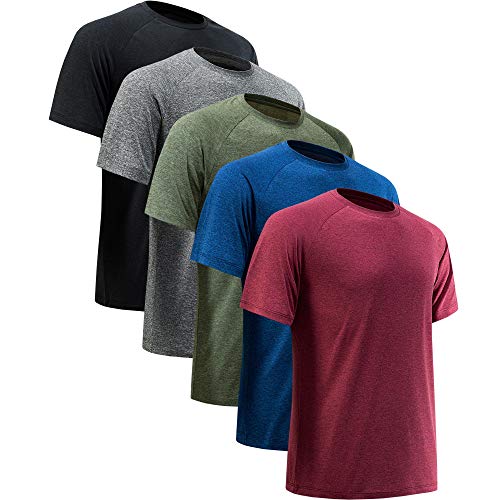
When choosing workout clothes, dark solids are your best bet. Black is the most forgiving, followed by charcoal, navy, and dark olive. Burgundy and deep purple also work well. Avoid white, light gray, pastels, and bright neon colors unless you enjoy showing sweat. If you want to wear lighter shades, pick muted tones like heather gray or oatmeal, which have a textured look that hides moisture better than solid light colors.
Patterns are your friend. Camouflage, tie dye, marled (mixed color threads), and abstract prints break up the visual of wetness. Even a subtle stripe or color block pattern can help. Many activewear brands offer black or dark patterned leggings and tops. For example, a marled black tank top hides sweat much better than a solid white one. Try to avoid large solid color blocks on areas that sweat heavily, like the underarm or back.
Fabric Technology: Moisture Wicking vs. Cotton vs. Blends
Moisture wicking fabrics are engineered to pull sweat away from your skin and spread it across the fabric surface, where it evaporates quickly. This process reduces the concentration of sweat in one spot, making it less visible. Common moisture wicking materials include polyester, nylon, polypropylene, and spandex blends. They are lightweight, breathable, and dry fast. Many activewear tops and leggings use these fibers.
Cotton is comfortable but holds sweat like a sponge, creating dark, damp patches that take a long to dry. If you must wear cotton for a light walk or yoga, choose a dark color or a cotton blend with polyester. Blends like 50% cotton and 50% polyester offer some of the comfort of cotton with better moisture management. Another option is to look for fabrics with a matte or brushed finish, as shiny fabrics tend to highlight wetness. Some brands use a double layer construction in key areas to provide an extra barrier against showing sweat.
Style and Fit Strategies for Discreet Sweat Management
Your choice of style and fit can help hide sweat as much as color or fabric. Loose or flowy tops allow air circulation and reduce cling, which minimizes the appearance of sweat patches. A racerback tank or a loose muscle tee can keep air moving around your torso. For bottoms, consider capris or shorts if you sweat heavily on your legs. Layering is also effective: wear a dark, moisture wicking tank under a loose mesh or open knit top. The outer layer adds visual texture and hides any sweat that shows through the inner layer.
Accessories can help too. A dark headband or visor can keep sweat off your face and hide wet hair. Avoid wearing very tight clothes in solid light colors, as they tend to accentuate every wet spot. Instead, use the fit to your advantage: high waisted leggings in black or a pattern can hide sweat around the waist and hips. If you are between sizes, going slightly looser can be more forgiving for sweat visibility.
Practical Garment Features That Reduce Sweat Visibility
Some workout clothes come with specific design features to combat sweat visibility. Look for mesh paneling, especially in high sweat zones like the underarm, back, or side. Mesh not only ventilates but also its open structure makes sweat less noticeable. Some tops have a built in bra or shelf bra with a double layer chest panel, which can disguise sweat better than a single thin layer. Longline sports bras or crop tops can serve as a standalone top and often use thicker, darker fabrics that show less moisture.
Another feature is gusseted crotch or flatlock seams in leggings, which reduce sweat marks at sensitive areas. Some leggings have a hidden pocket for a small towel or wipes, letting you dab away sweat discreetly. While you may not need all these features, choosing one or two can make a big difference. Avoid clothes with shiny or reflective materials, as they highlight wetness. Instead, go for matte finishes which scatter light and minimize the look of sweat.
Frequently asked questions
What color workout top hides sweat the best?
Black is the best color to hide sweat. Other dark shades like charcoal, navy, and deep burgundy also work well.
Does 100% cotton workout clothing show sweat?
Yes, 100% cotton shows sweat easily because it absorbs moisture and holds it, creating dark, wet patches. Blends with synthetics are better.
Will a marbled or patterned shirt hide sweat better than a solid?
Yes, patterns like marbled or camo break up the visual of wetness and hide sweat much better than solid light colors.
Can layering help hide sweat during a workout?
Yes, wearing a dark, moisture wicking top under a loose mesh or open knit outer layer can camouflage sweat effectively.
Looking to buy? See our Clothing guides for tested picks.