Many yoga gear myths, like needing a specific mat or expensive clothes, are false. Choose equipment that supports your practice and comfort, not marketing hype. Focus on function over fashion for a better experience.
Walk into any yoga studio or scroll through social media, and you’ll encounter a flood of advice about what gear you need to ‘properly’ practice yoga. From claims that only a certain mat will prevent injury to the idea that you must wear designer leggings for proper alignment, these myths can be confusing and expensive. Let’s cut through the noise with practical, honest facts about yoga gear, so you can focus on what really matters: your practice.
Myth: You Need an Expensive, ‘Eco-Friendly’ Mat to Practice Safely
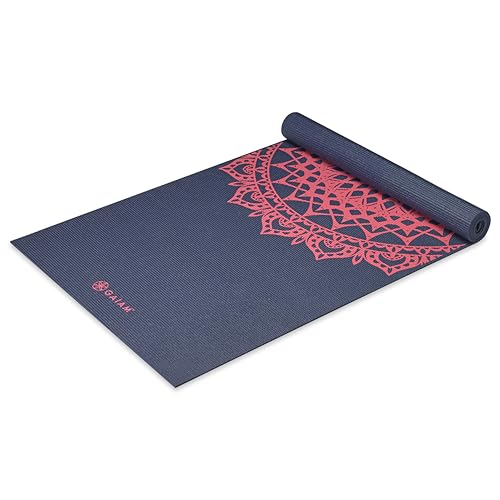
Many believe that a high-priced mat made from natural rubber or jute is essential for safety and environmental responsibility. While eco-friendly mats are a choice some make, they aren’t a necessity. A standard PVC mat, which is widely available and affordable, offers excellent grip and cushioning for most practices. The key factor is how the mat feels under your hands and feet, not its price tag or label.
Safety comes from proper use, not the material. Slip-resistant mats are important, but even a cheaper mat can work well if you clean it regularly and replace it when worn. Your mat should support your body and your practice, not your wallet or eco-status. Focus on thickness and texture that match your comfort and stability needs.
If sustainability matters to you, consider that a long-lasting mat , even if not marketed as ‘green’ , reduces waste over time. Don’t let the myth pressure you into overspending; a quality mat at any price point can serve you well for years.
Myth: You Need Special ‘Yoga’ Clothing to Move Freely
The idea that you must buy expensive, brand-name yoga pants or tops to practice effectively is pure marketing. Any comfortable, non-restrictive clothing you already own can work perfectly for yoga. The key is fabric that wicks moisture and allows for movement , materials like cotton, polyester blends, or even simple shorts and a tee are fine.
Specialized clothing often comes with a high price for features like ‘four-way stretch’ or ‘anti-odor technology,’ but these are not essential. What matters most is that your clothes don’t bunch, sag, or distract you during poses. If your current sportswear does the job, you don’t need to buy anything new.
Overemphasizing apparel can create a barrier for beginners who feel they need a full wardrobe to start. The truth is, you can do yoga in pajamas if they allow freedom of movement. Save your money for the things that directly impact your practice, like classes or workshops, rather than a closet full of ‘yoga’ clothes.
Myth: Yoga Blocks, Straps, and Bolsters Are Only for Beginners
It’s common to hear that props are training wheels for those who aren’t ‘advanced’ enough. In reality, props are tools used by practitioners of all levels , including instructors , to deepen poses, improve alignment, and prevent injury. They allow you to explore a pose safely without compromising form.
For example, a block under your hand in Triangle Pose can help you maintain length in your spine, regardless of flexibility. A strap in Seated Forward Fold can assist in reaching your feet without straining your back. Bolsters in restorative poses support deep relaxation, which benefits everyone, not just beginners.
Using props shows wisdom, not weakness. They adapt the pose to your body, not the other way around. The mark of an advanced practitioner is using tools to enhance the practice, not ego-driven avoidance of them. If a prop helps you stay longer or breathe easier, it’s a valuable part of your gear.
Myth: You Must Buy a Special Towel for Hot Yoga
Hot yoga studios often sell branded towels designed to absorb sweat and improve grip, but you don’t need a specific towel. A standard bath towel or a simple rubber-gripped towel from any retailer works just as well. The key is that the towel is absorbent and stays in place , layering it over your mat can prevent slipping.
The myth that only a ‘hot yoga towel’ will work is perpetuated by studios and brands to sell more products. In practice, any large, thin towel can do the trick. Some people even prefer using a cotton towel folded in half. The most important factor is that you feel secure and dry during your session.
If you’re concerned about slipping, you can also spray water on your mat to increase grip , a trick many yogis use. Save your money for what matters: staying hydrated and focused on breathing. Your towel doesn’t need a fancy name to be effective.
Myth: You Need to Wear Socks and Gloves with Grip for Better Stability
Grip socks and gloves are marketed as a solution for slipping in standing poses, especially for those with sweaty feet or hands. However, most yoga practices actually benefit from bare feet and hands, which allow for better proprioception , the sense of your body in space. Your feet have natural gripping abilities that socks can dull.
For most people, a good mat provides enough traction without additional gear. If you find yourself slipping, the issue might be your mat’s surface, your alignment, or even the humidity in the room. Before buying grip products, try cleaning your mat or adjusting your stance. Often, a simple practice of spreading your toes and engaging your feet can improve stability.
There are limited cases where grip socks are helpful, such as in aerial yoga or if a studio requires them for hygiene. But for general yoga, they are unnecessary. Rely on your body’s natural sensors and strengthen your feet over time. You’ll develop better balance and awareness without relying on fabric.
Frequently asked questions
Is it true that a thicker yoga mat is always better for comfort?
Not necessarily. Thicker mats (over 5mm) can feel cushy but may reduce stability in standing poses, making balance harder. A medium thickness (4-5mm) often provides a good balance of comfort and ground connection.
Do I need to wash my yoga mat after every use?
It's a good idea to wipe down your mat with a mild cleaner after each session to remove sweat and bacteria. However, a deep wash every few weeks is sufficient for most mats unless you practice hot yoga frequently.
Can I use a yoga blanket instead of a bolster?
Absolutely. A folded blanket can provide similar support in restorative poses, though it may not offer the same firmness. It's a versatile, inexpensive alternative for props.
Are there specific materials that cause allergic reactions on mats?
Yes, some people react to natural rubber or latex in eco-friendly mats. If you experience skin irritation, try a PVC or TPE mat, which are generally hypoallergenic. Always test a new mat before committing.
Looking to buy? See our Yoga guides for tested picks.