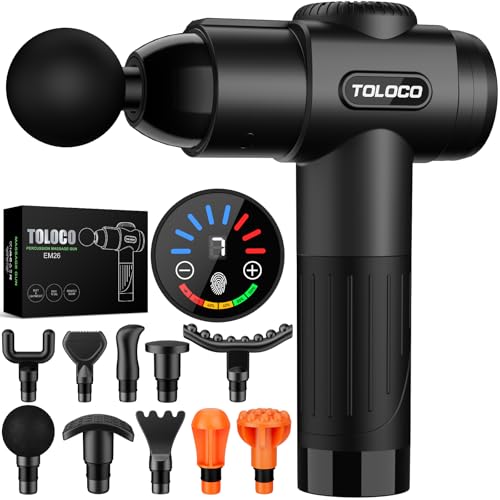
Massage guns and muscle stimulators can aid muscle recovery and reduce soreness, but they do not burn fat or build strength. These devices are tools, not cures, and should complement proper training and nutrition.
Massage guns and muscle stimulators have taken the fitness world by storm. You see them in gyms, on social media, and in ads promising faster recovery, less soreness, and even fat loss. But how much of this is fact versus clever marketing? As an editor at SweatPicks, I want to cut through the hype and give you the honest, evidence-based truth. Let’s debunk the most persistent myths about these popular recovery tools.
Myth 1: Massage Guns Flush Out Lactic Acid
One of the most common claims is that massage guns help remove lactic acid from muscles after a workout, reducing soreness. While it sounds scientific, this idea is outdated. Lactic acid is cleared from muscles naturally within about an hour after exercise, regardless of what you do. Research shows that delayed onset muscle soreness (DOMS) is caused by microtrauma to muscle fibers, not lactic acid buildup.
That said, massage guns can still help. The percussive therapy stimulates blood flow and activates the parasympathetic nervous system, which can reduce pain perception and improve flexibility. So while they don’t flush lactic acid, they can make you feel better and potentially speed up recovery by increasing circulation and reducing muscle stiffness.
Myth 2: Muscle Stimulators Build Strength Like Weight Training
Electrical muscle stimulators (EMS) are often marketed as a way to get stronger without lifting weights. The idea is that the device sends electrical impulses to your muscles, causing them to contract, which could theoretically mimic exercise. But the reality is far more modest.
Research shows that while EMS can help maintain muscle mass during periods of immobilization, it does not produce strength gains comparable to resistance training. For healthy individuals, EMS may provide a mild conditioning effect but cannot replace the compound movements and progressive overload needed for real strength. Think of it as a supplement to your training, not a substitute.
Myth 3: You Can Use Them for Fat Loss
This is one of the most dangerous myths. Some products claim that by vibrating or stimulating muscles, you can “melt” fat or spot-reduce specific areas. This is false. Fat loss occurs through a calorie deficit, not by jiggling or zapping a body part. The body burns fat systemically, not locally.
Muscle stimulators may cause a slight increase in energy expenditure due to muscle contractions, but it’s negligible. You would need hours of use to burn a meaningful number of calories. So if you’re looking to lose weight, focus on your diet and overall physical activity. These devices are not a shortcut.
Myth 4: The More Pain, The More Gain
A common belief is that you need to feel discomfort for a massage gun to be effective. Some people crank up the intensity until it hurts, thinking that means it’s working harder. This is a recipe for injury. The goal of percussive therapy is to relax tight muscles and improve blood flow, not to cause pain.
Using a massage gun on high intensity on sensitive areas like the neck, spine, or bony prominences can lead to bruising, nerve damage, or even kidney damage if used on the lower back. The sweet spot is a comfortable pressure that feels like a deep tissue massage, not like you’re being pummeled. Listen to your body. If it hurts, dial it back.
Myth 5: They Are a Complete Replacement for Warm-Ups and Stretching
Some people believe that using a massage gun or stimulator before a workout can substitute for a proper warm-up or stretching routine. While these tools can increase blood flow and temporarily reduce muscle tension, they don’t prepare your joints, nervous system, or connective tissues for the demands of exercise.
A dynamic warm-up that includes movement patterns similar to your workout is essential for injury prevention. Similarly, post-workout static stretching or foam rolling addresses different aspects of recovery. Think of massage guns and stimulators as one tool in your toolbox, not the only one. Use them as a complement, not a replacement.
Frequently asked questions
Are massage guns safe to use every day?
Yes, but with caution. Using a massage gun daily on low to moderate settings is generally safe for most people. Avoid overusing on the same spot to prevent bruising or tissue damage.
Can muscle stimulators help with injury rehabilitation?
They can, under professional guidance. EMS is used in physical therapy to reduce muscle atrophy and improve blood flow, but it should not replace prescribed exercises or treatments.
Do massage guns help with muscle knots?
They can provide temporary relief by increasing blood flow and relaxing tight spots. However, for persistent knots, stretching, foam rolling, or seeing a professional may be more effective.
Is it true that massage guns can break up scar tissue?
No reputable evidence supports that. Scar tissue formation is complex and requires specific clinical approaches. Massage guns may help with adhesions in fascia but do not break down true scar tissue.
Looking to buy? See our Balance Recovery guides for tested picks.