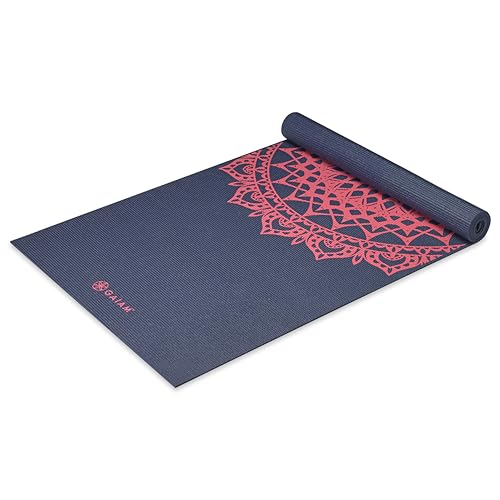
For beginners, essential yoga gear includes a supportive mat with good grip, comfortable clothing that allows full range of motion, and optionally, a block and strap for support and accessibility. A water bottle and a small towel are also helpful. The focus should be on practical items that enhance comfort and safety without overcomplicating your initial experience.
Embarking on a yoga journey is a rewarding step toward well-being. As you begin, it is natural to wonder about what gear you truly need. This guide aims to simplify that decision, focusing on the practical essentials that will support your practice without overwhelming you with choices.
The Foundation: Your Yoga Mat
A reliable yoga mat is arguably the most crucial piece of gear for any beginner. It provides a personal, stable surface, offering both cushioning and critical grip to prevent slipping during poses. Selecting the right mat involves considering factors like thickness, material, and surface texture, all of which contribute to your comfort and safety as you learn and grow.
For beginners, a mat with a thickness between 4mm and 6mm often strikes a good balance, providing sufficient padding for joints without compromising stability. Thicker mats can offer more comfort, especially for floor work, but might make balancing poses more challenging. Thinner mats are lighter and offer more direct contact with the floor, which can be beneficial for advanced practitioners but less forgiving on knees and wrists for those just starting out. Evaluate what feels supportive and stable under your hands and feet.
Material and grip are equally important. Many mats are made from PVC, TPE, or natural rubber. PVC mats are durable and offer good grip, though some prefer alternatives due to environmental concerns. TPE is a lighter, more eco-friendly option with good grip. Natural rubber mats are highly regarded for their superior grip, even when damp, but can be heavier and may have a distinct initial odor. Look for a mat that doesn’t feel slippery under your hands and feet, particularly when you start to warm up, as a secure grip is paramount for maintaining poses and preventing discomfort.
What to Wear: Comfort and Freedom of Movement
When it comes to yoga apparel, the guiding principle is comfort and unrestricted movement. Your clothing should allow you to stretch, bend, and transition between poses without snagging, pulling, or requiring constant adjustment. This means choosing garments that fit well and are made from appropriate fabrics, ensuring your focus remains on your breath and movement, not your outfit.
For bottoms, options include leggings, shorts, or loose-fitting pants. Leggings are popular for their full coverage and ability to stay in place, making them suitable for inversions and dynamic flows. If choosing shorts, ensure they are not too loose, as this can become a distraction. Loose pants, like some yoga-specific styles, can be very comfortable but verify they do not bunch excessively or impede vision of your feet for alignment cues. The key is to find what feels comfortable and secure for your body and practice style.
Tops should also facilitate movement without being overly baggy. A fitted tank top or t-shirt is often ideal, as it stays put when you invert or fold forward. Fabrics that wick moisture are beneficial, especially as your practice progresses and you generate more heat. While not strictly necessary for every beginner, a sports bra offering adequate support is important for those who need it. Layering a light cover-up or hoodie can be useful for warm-ups, cool-downs, or if practicing in a cooler environment, allowing you to adjust to your body temperature throughout your session.
Props for Support, Alignment, and Deeper Stretches
Yoga props are not just for advanced practitioners or those with limitations; they are invaluable tools for beginners to enhance their practice. Props can help you find proper alignment, provide support in challenging poses, and safely deepen stretches. Rather than seeing them as a crutch, view props as accessories that make poses more accessible and beneficial, allowing you to experience the full expression of a posture.
A yoga block is perhaps the most versatile prop. Blocks can be used to bring the floor closer to you in standing poses, support your weight in restorative postures, or provide a stable surface for seated meditation. They come in various materials, including foam, cork, and wood. Foam blocks are lighter and softer, while cork and wood blocks offer more density and stability. Having one or two blocks available can significantly improve comfort and stability in many fundamental poses, making the practice less intimidating.
A yoga strap, or belt, is another excellent tool for beginners. Straps help extend your reach, allowing you to grasp your feet or hands in poses where flexibility might be a limiting factor. They can also assist in deepening stretches, providing gentle tension without overstretching. Similarly, a blanket can offer cushioning for knees in kneeling poses, support for the head in inversions, or simply provide warmth during relaxation. A bolster, a firm, elongated cushion, is particularly beneficial for restorative yoga, supporting the body in reclined positions and promoting deeper relaxation. You do not need all of these immediately, but understanding their purpose can help you decide what might benefit your evolving practice.
Hydration and Hygiene: Practical Essentials
While often overlooked in discussions about yoga gear, practical items related to hydration and hygiene significantly contribute to a comfortable and healthy practice. Staying hydrated is crucial for overall well-being and helps your muscles remain pliable and responsive throughout your session. Carrying a reusable water bottle is a simple habit that supports both your personal health and environmental consciousness.
A small hand towel or a dedicated yoga towel can be an invaluable addition, especially if you tend to perspire or if your mat lacks significant grip. Placing a towel over your mat can absorb moisture, preventing slips and enhancing hygiene. Some yoga towels feature silicone nubs on the underside to keep them securely in place on your mat. Regularly cleaning your mat is also important for hygiene. A simple mat cleaner, often a gentle spray solution, can help remove sweat, dirt, and oils, extending the life of your mat and maintaining a fresh practice surface.
Beyond these, consider the environment where you practice. If attending a studio, having a dedicated bag for your mat and other essentials keeps everything organized and easy to transport. For home practice, ensuring your space is clean and free of clutter can help cultivate a more focused and peaceful atmosphere. These small considerations contribute to a more enjoyable and sustainable yoga routine.
Beyond the Gear: Cultivating Your Practice
While the right gear can certainly enhance your yoga experience, it is vital to remember that the essence of yoga lies within the practice itself, not in the possessions you acquire. Your journey is fundamentally about connection, breath, and movement. The most important “gear” you bring to any session is an open mind, a willingness to learn, and an intention to listen to your body.
Start simply. You do not need to acquire every prop or the most expensive apparel immediately. Focus on securing a comfortable, non-slip mat and clothing that allows for free movement. As you become more familiar with various poses and styles of yoga, you will naturally discover what other items might genuinely support your individual needs and preferences. Many studios offer loaner mats and props, providing an opportunity to experience different options before committing to a purchase.
Consistency and patience are far more valuable than any piece of equipment. Dedicate yourself to regular practice, whether that means a few short sessions a week or longer, more intensive ones. Embrace the beginner’s mind, allowing yourself to explore and adapt without judgment. Your growth in yoga comes from showing up, being present, and gradually building strength, flexibility, and mindfulness, with or without the perfect collection of gear.
Frequently asked questions
Do I need a special yoga mat for beginners?
While not strictly 'special,' beginners benefit most from a mat offering good cushioning and reliable grip to prevent slipping. Focus on a thickness between 4mm and 6mm for a balance of comfort and stability.
Can I practice yoga without any props like blocks or straps?
Absolutely, you can begin yoga without any props, focusing solely on your mat and body. Props are helpful tools to enhance accessibility, alignment, and deepen stretches, but they are not mandatory for starting your practice.
What type of clothing is best for a beginner yoga practice?
The best clothing for beginner yoga is comfortable and allows for a full range of movement without restriction. Opt for fitted or semi-fitted items made from breathable fabrics that won't impede your ability to stretch or move through poses.
How often should I clean my yoga mat?
You should clean your yoga mat regularly, ideally after every few practices or whenever it starts to feel sticky or look soiled. A simple mat cleaner or a solution of mild soap and water can help maintain hygiene and extend the mat's lifespan.
Looking to buy? See our Yoga guides for tested picks.