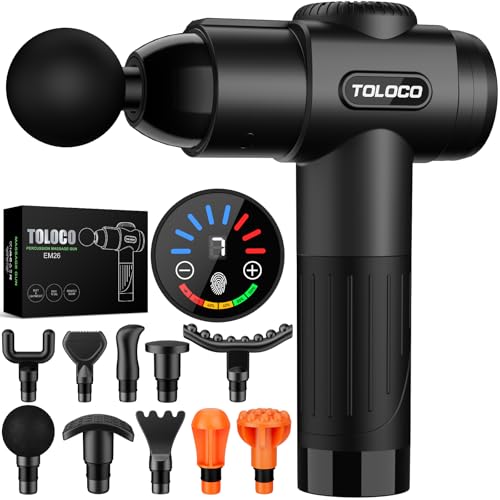
Avoid using massage guns on bones, joints, or spine; never use on the same spot for more than 60 seconds; start with low speed and increase gradually; avoid use on bruised, swollen, or infected areas; and always consult a doctor if you have a medical condition like blood clots or varicose veins.
Massage guns are powerful tools for muscle recovery, but using them wrong can cause more harm than good. From pressing too hard to picking the wrong attachment, common mistakes reduce effectiveness and risk injury. Whether you are new to percussive therapy or want to sharpen your technique, this guide covers the most frequent errors so you can get the most out of your massage gun safely.
Mistake #1: Using the massage gun on bones, joints, and bony areas
Massage guns are designed to target soft tissue like muscles, tendons, and fascia. Directing the percussive force onto bones, joints, the spine, or the skull can cause bruising, nerve damage, or microfractures. Avoid bony prominences such as the kneecap, shin bone, elbow tip, shoulder blade edges, and the spine itself.
Stick to fleshy muscle bellies where the impact can be absorbed safely. If you feel a hard surface beneath the attachment, you are likely hitting bone. Reposition the gun to a nearby muscle group instead.
Mistake #2: Pressing too hard or too long on one spot
More pressure does not equal better results. Aggressive pressing can overload soft tissue, leading to bruising, inflammation, or even rhabdomyolysis in extreme cases. The massage gun’s own weight is usually enough force. Let the tool do the work and glide it gently across the muscle.
Limit treatment on any single muscle group to 1 to 2 minutes total, and no more than 60 seconds on one small spot. Overstaying can damage muscle fibers. Move the gun in slow, gliding strokes rather than holding it stationary.
Mistake #3: Using the wrong attachment for the job
Most massage guns come with multiple heads for different purposes. The round ball head is for large muscle groups like quads and glutes. The flat head is for a firm, broad pressure. The fork head is for the spine (on muscles alongside, not the spine itself) and the Achilles tendon. The bullet head is for deep trigger point work but should be used with caution on deep muscles only.
Using a bullet head on a sensitive area like the neck or shin can be painful and risky. Match the attachment to the muscle size and sensitivity. When in doubt, start with the round ball head as it is the safest all-rounder.
Mistake #4: Using a massage gun on bruises, swelling, or irritated areas
Adding percussive force to an area that is already inflamed, bruised, or injured can worsen the damage. Massage guns increase blood flow and pressure, which can cause more swelling, bleeding, or pain. Avoid any area with acute injuries, open wounds, rashes, sunburn, or recent surgery sites.
If you have a muscle strain, wait 48 to 72 hours before using the gun, and then use only low speed and gentle pressure. Listen to your body. Pain is a sign to stop or move to a different area.
Mistake #5: Neglecting safety precautions and medical conditions
Massage guns are not for everyone. People with blood clots, thrombophlebitis, varicose veins, hemophilia, or who are on blood thinners should avoid percussive therapy due to risk of dislodging a clot. Pregnant women should avoid the abdomen and lower back. Those with pacemakers, metal implants, or neuropathy should consult a doctor first.
Always start on the lowest speed setting, especially on sensitive areas like the neck (avoid the front of the neck entirely) and inner thighs near the groin. Keep the gun moving, and do not use it over clothing that is too thick or too thin. Never use it near the eyes, genitals, or over the throat.
Frequently asked questions
Can I use a massage gun every day?
Yes, you can use a massage gun daily, but limit each muscle group to 1 to 2 minutes total. Avoid the same spot for more than 60 seconds to prevent bruising or overstimulation.
Is it safe to use a massage gun on the neck?
Use extreme caution on the neck. Avoid the front and sides of the neck where arteries and glands are. Only use the lowest speed on the trapezius and upper back muscles, never directly on the spine or throat.
How do I know if I am using too much pressure?
If the impact causes pain that is more than a mild discomfort, or if you see bruising afterward, you are using too much pressure. The gun should feel intense but not sharp or painful.
Can a massage gun help with muscle knots or trigger points?
Yes, when used correctly. Use a bullet or round attachment at low to medium speed directly on the knot for 30 to 60 seconds. Breathe deeply and stop if pain increases significantly.
Looking to buy? See our Massage Guns guides for tested picks.