 Related pick
Store strength training equipment at home by designating a dry, well-ventilated area. Use racks for dumbbells and barbells, hang bands and mats on hooks, and keep heavy items low. This prevents damage and keeps your space safe.
Strength training at home is convenient, but gear can quickly take over your living space. Proper storage protects your investment, keeps your workout area safe, and makes it easier to stick with your routine. Here are honest, practical ways to store your equipment without breaking the bank or sacrificing your home’s vibe.
1. Assess Your Space and Gear
Before buying any storage solution, take a hard look at what you own and where you’ll work out. Measure your floor space, ceiling height, and available wall area. Consider if you’ll store gear in a garage, basement, spare room, or living area. Each space has different humidity, temperature, and traffic patterns that affect storage choices.
Make a list of your equipment: dumbbells, barbells, plates, kettlebells, resistance bands, yoga mats, and any specialty items. Note how often you use each piece. Daily use items should be the most accessible. Seasonal or occasional gear can go on higher shelves or in bins. This simple inventory prevents buying racks that are too small or too big.
Think about future purchases too. If you plan to add more plates or a different barbell, leave room for growth. A modular system that adapts is smarter than a fixed, single-purpose rack. Also consider weight: heavy items like iron plates need sturdy storage that won’t tip. Safety comes first.
2. Floor Storage for Heavy Items
Barbells, weight plates, and heavy dumbbells should stay low to the ground to prevent injury and floor damage. A weight plate tree is a classic solution: it keeps plates vertical and organized, and you can roll it out of the way. For Olympic barbells, a barbell rack or simply leaning them against a wall with a padded floor mat works. Don’t lay barbells on concrete bare, as moisture can rust the shaft.
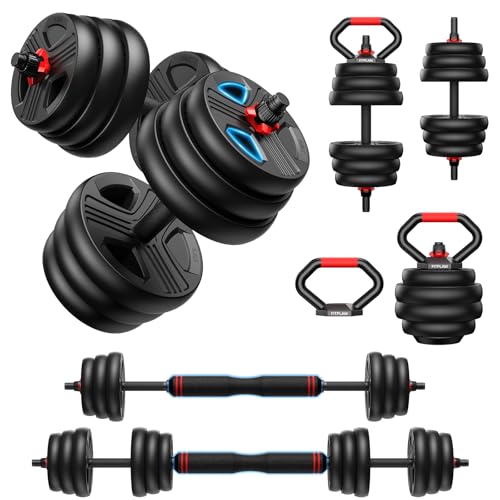
For individual dumbbells, a tiered dumbbell rack is worth the investment. It keeps pairs sorted by weight and makes grabbing the right one easy. If you have adjustable dumbbells, they often come with a tray that can sit on a shelf or the floor. Kettlebells can be stored on the floor in a row or on a low shelf. To save floor space, consider a vertical rack that stores kettlebells by size.
Always put a rubber mat or gym flooring under heavy equipment. It protects your floor, deadens noise, and gives you a non-slip surface. Even in a garage, a mat prevents moisture from wicking up into metal. Avoid stacking plates horizontally on the floor, as they can warp or become hard to separate. A tree or vertical holder is best.
3. Wall Storage for Space Efficiency
Walls are your best friend for freeing up floor space. A sturdy wall-mounted rack can hold barbells, resistance bands, jump ropes, and even foam rollers. Use heavy-duty hooks rated for the weight you’ll hang. For barbells, a couple of J-hooks or a horizontal bar holder works well. Make sure the studs can support the load, especially for multiple bars.
Resistance bands and cables can be hung on pegboards with hooks. This keeps them untangled and visible. Stretch them out before hanging to reduce internal stress. Yoga mats can be rolled up and secured with a strap, then hung on a hook loop. Foam rollers can be stored in a vertical wall rack or simply propped in a corner.
For smaller items like ankle weights, hand grippers, and sliders, use a small pegboard section or a wall-mounted organizer with bins. Labeling helps maintain order. If you drill into walls, use anchors for drywall and always hit studs for heavy loads. Removable adhesive hooks work for lightweight bands but fail with weight. Invest in proper hardware.
4. Creative Storage for Small Spaces
If you live in an apartment or have limited square footage, get creative. Use a slim rolling cart with shelves for kettlebells, bands, and smaller weights. Tuck it under a desk or into a closet when not in use. Over-the-door hooks can hold bands, jump ropes, and even a lightweight mat. Just make sure the door hinge can handle the weight.
Consider a storage ottoman or bench that doubles as seating and holds gear inside. Keep a few medium-sized resistance bands and a jump rope inside for quick workouts. For barbells, a collapsible or short bar might be necessary. Store it vertically in a corner with a bumper pad. Adjustable dumbbells are space-saving by nature, but handle them carefully to avoid damaging the adjustment mechanism.
Another trick: use a tall bookshelf with bins labeled by muscle group or workout type. Keep the bottom bins for heavy weights, middle for bands, top for accessories. This makes your gear blend into the room. Always ensure shelves are rated for the weight. A sturdy metal or solid wood unit is safer than pressboard.
5. Maintaining Equipment Longevity
Storage isn’t just about organization; it’s about protecting your gear. Keep everything in a climate-controlled area if possible. Extreme heat can weaken rubber and plastic coatings, while humidity rusts metal. Use a dehumidifier in basements. Wipe down dumbbells and barbells after sweaty workouts to prevent corrosion. A light coat of mineral oil on bare steel helps.
Check fasteners on racks and hooks regularly. Tighten bolts, and replace worn attachments. For resistance bands, store away from direct sunlight and sharp edges that could cut them. Roll them loosely, not tight, to avoid memory curl. Clean yoga mats with a gentle soap solution and let them air dry before rolling.
Finally, rotate your gear if you have duplicates. Use the same items regularly to prevent rust from sitting still. Enforce a no-shoe rule on mats to keep them cleaner. By caring for your equipment, you save money and avoid injuries from failing gear. A little routine maintenance goes a long way.
Frequently asked questions
Can I store weight plates on the floor?
It's best to avoid storing weight plates flat on the floor, especially concrete, because moisture can cause rust and plates become hard to clean. Use a plate tree or vertical rack to keep them organized and off the ground.
How do I store resistance bands without tangling?
Hang resistance bands on a pegboard or a hook by looping them over, avoiding tight knots. Store them loosely rolled rather than folded to prevent memory creases that weaken the band.
What is the safest way to store a barbell?
Store a barbell horizontally on a dedicated barbell rack or vertical in a corner with a padded bumper. Never lean it loosely against a wall, as it can slip and damage the floor or injure someone.
Should I keep a yoga mat in its tube?
No, avoid storing a yoga mat in its original tube for long periods, as it can lose its shape and grip. Roll it loosely and secure with a strap, or hang it on a hook to let it breathe.
Looking to buy? See our Strength Training guides for tested picks.