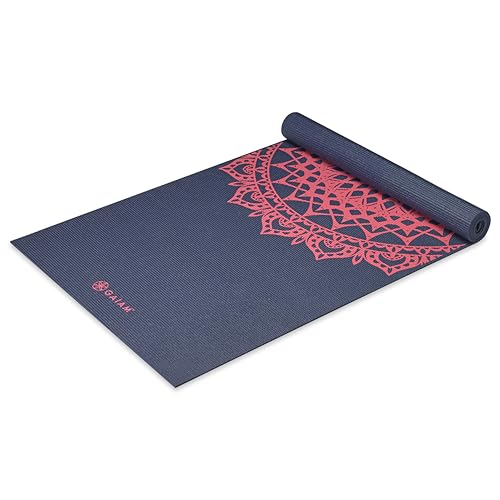
Expensive yoga gear is not always necessary. High-quality mats and clothing can enhance comfort and durability, but budget options often perform well for most practitioners. Focus on grip, material, and fit rather than price.
Yoga is a practice that asks very little in terms of equipment. A mat, comfortable clothes, and maybe a block or strap. Yet a quick browse online shows mats that cost as much as a gym membership and leggings that rival a dinner out. So, do you really need to spend big to practice well? We take an honest look at what premium gear offers and where you can save without sacrificing your practice.
What You Are Really Paying For
Premium yoga gear often comes with a higher price tag because of materials, construction, and brand reputation. A top tier mat, for example, may use natural rubber or a specialized polyurethane top layer that grips better when wet. Cheaper mats might be PVC based and become slippery as you sweat. Similarly, high end activewear uses fabrics that wick moisture, stretch without losing shape, and resist pilling. The stitching and seams are reinforced to handle repeated movement and washing.
But not every expensive item delivers on these promises. Some brands charge a premium simply for a logo or trend driven design. The real value lies in performance and longevity. A mat that costs twice as much but lasts three times longer is actually a better investment. The key is knowing which technical features actually matter for your practice style.
The Mat: Where Spending More Can Pay Off
A good mat is the foundation of your practice. If you practice hot yoga or have sweaty hands, a mat with good grip is nonnegotiable. Natural rubber mats provide excellent traction but may have a strong smell initially. Some premium mats use microfiber suede or polyurethane on top for a sticky feel that improves with moisture. These mats often come with a lifetime warranty, so one purchase can last for years.
On the other hand, if you practice gentle or restorative yoga, a basic PVC mat might be just fine. Many budget mats are cushiony enough for floor poses and have decent grip for dry hands. A mat that costs less than a third of a premium one might last a year or two with regular use, which is a reasonable trade off. Consider how often you practice and whether you need portability. Heavy, thick mats are great for studios but a pain to carry.
Clothing: Comfort Over Cost
Yoga clothing needs to move with you and keep you comfortable. Expensive leggings often use compression fabrics that stay put during inversions and don’t become see through when stretched. They also have flat seams to prevent chafing and high waistbands that stay in place. Cheaper options may gap at the waist, lose elasticity, or show wear after a few washes.
But not every practice demands high performance gear. For slow flow or yin yoga, a simple cotton tee and shorts might be all you need. The most important factor is fit. If a budget piece fits well and doesn’t restrict movement, it can work just as well as a designer label. Look for fabrics that contain spandex or elastane for stretch and recovery, regardless of brand.
Props and Accessories: Stick to Basics
Yoga blocks, straps, and bolsters are simple tools. A block is a block, whether it costs five dollars or fifty. The main differences are material and density. Foam blocks are lightweight and cushy, while cork blocks are firmer and more durable. Cork can be grippier and last longer, but it also costs more. For most people, a cheap foam block works perfectly fine.
Straps are even simpler. A cotton or nylon strap with a buckle does the job. Bolsters can be pricey, but if you use one frequently for restorative poses, a quality firm bolster may be worth it because it holds shape better. For occasional use, a stack of blankets or a pillow can substitute. Save your money for what directly impacts your practice.
When Cheap Is a Trap
There are times when bargain gear can actually cost you more in the long run. A very cheap mat might wear out in a few months, start flaking, or lose grip, forcing you to buy another. Cheap clothing might fade, stretch out, or develop holes quickly. If you practice several times a week, durability matters.
Additionally, poor quality materials can affect your practice. A mat that doesn’t grip can cause slipping in downward dog, which may lead to frustration or even injury. Leggings that roll down at the waist can be distracting. In these cases, spending a little more for better function is worth it. The trick is to identify the items that take the most abuse and invest in those.
Frequently asked questions
Do expensive yoga mats really last longer?
Often yes, but not always. Premium materials like natural rubber and polyurethane are more durable than standard PVC, but a mid range mat from a reputable brand can also offer good longevity. Check reviews and warranty before buying.
Can I use cheap leggings for hot yoga?
You can, but they might not wick moisture as well or stay in place during intense movement. Cheaper fabrics may also become see through when wet. For hot yoga, look for moisture wicking fabrics and try them on in a stretchy pose.
Are cork yoga blocks better than foam?
Cork blocks are firmer, more durable, and eco friendly, but they cost more. Foam blocks are lightweight, softer, and cheaper. The choice depends on your preference for firmness and how much you use them.
Is expensive gear necessary for beginners?
Not at all. Beginners can start with budget friendly gear and upgrade later as their practice develops. A basic mat and comfortable clothes are all you need to begin. Focus on consistency, not equipment.
Looking to buy? See our Yoga guides for tested picks.