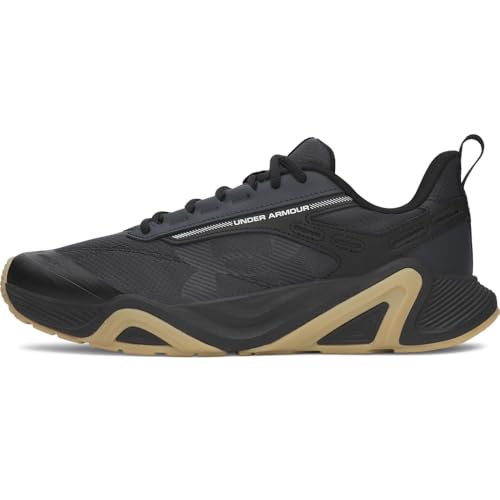
 Related pick
For deadlifts, wear shoes with a flat, non-compressible sole like Converse Chuck Taylors, Vans, or lifting-specific shoes. Barefoot or minimalist shoes are also great. Avoid running shoes with thick, cushioned soles.
Deadlifting is one of the most effective exercises for building total body strength, but your footwear can make or break your performance. The wrong shoes can throw off your balance, reduce power transfer, and increase injury risk. Here is the honest truth: you need a flat, stable, and non-compressible sole to lift heavy safely.
Why your shoes matter for deadlifts
When you deadlift, your feet are the foundation for transferring force from the ground through your body. Any instability or cushioning in your shoes absorbs energy that should go into the barbell. Think of it like trying to push a heavy car while standing on a pillow: energy dissipates, and you lose power.
Running shoes are the worst offenders. Their thick, cushioned heels and arch support create an unstable platform. This can cause your weight to shift forward, leading to poor form and potential back strain. Flat soles keep your weight evenly distributed over your midfoot, allowing you to drive through the ground more efficiently.
What to look for in a deadlift shoe
The ideal deadlift shoe has a flat outsole with minimal to no heel-to-toe drop. Look for a sole thickness of 5 millimeters or less, made from hard rubber or similar non-compressible material. Flexibility matters too: you want enough bend to feel the ground but not so much that it collapses under load.
Also consider fit. A snug, locked-down fit prevents your foot from sliding inside the shoe during heavy pulls. Avoid overly padded tongues or collars that can create play. And while some lifters prefer a wide toe box, find what lets your toes splay naturally without your foot rolling inward.
Best shoe types for deadlifts
Classic flat sneakers: Shoes like Converse Chuck Taylor All Stars or Vans Old Skool are popular because they are cheap, flat, and stable. The thin rubber sole provides a firm base, and they allow your foot to spread out. Just note that they offer little lateral support, so they are best for deadlift-focused sessions, not multi-directional work.
Minimalist or barefoot shoes: Brands like Vivobarefoot, Xero Shoes, and Merrell Vapor Glove offer zero-drop, wide-toe designs with very thin soles. These mimic barefoot lifting and maximize ground feedback. The downside is that they require some adaptation if you are used to cushioned shoes.
Deadlift slippers: Some lifters wear leather or suede slippers like the Sabo Deadlift Slipper. These have paper-thin soles and no heel, giving the most direct connection to the floor. They are lightweight and packable, but offer no ankle support and can feel odd at first.
Shoes to avoid for deadlifting
Avoid running shoes, cross-trainers with thick heels, and any shoe with a raised heel or significant cushioning. Specifically, stay away from Nike Air Max, Hoka Cliftons, or any shoe designed for impact absorption. The soft foam collapses under heavy weight, causing instability and increasing the risk of falling forward.
Also skip weightlifting shoes with an elevated heel (like the Nike Romaleos or Adidas Adipower). While great for Olympic lifts, the raised heel shifts your center of mass forward, making it harder to keep the bar over midfoot. Some lifters use them for deadlifts, but only if they have a very specific technique or mobility issue. For most, flat is better.
Can you deadlift barefoot?
Deadlifting barefoot is a viable option if your gym allows it. Without shoes, you get maximum ground feel and a completely flat base. Many powerlifters train barefoot for this reason. The caveats: you must be careful about cleanliness (gym floors harbor bacteria), and you lose protection if you drop a plate or barbell on your foot.
If you try barefoot, start with light weights to get used to the sensation. And always check your gym’s policy: some require footwear for safety reasons. An alternative is wearing socks with grip patches or using deadlift slippers, which offer the same barefoot experience with a thin barrier.
Frequently asked questions
Can I use cross-trainers for deadlifts?
Some cross-trainers have flat soles, but many still have moderate heel drop. Check the sole: if it is firm, flat, and thin, it might work. Test by standing on one foot: if you wobble, it is not stable enough.
Do I need special shoes for sumo deadlifts?
The same principles apply: flat and stable. Sumo deadlifts benefit from a wider stance, so a shoe with a wide toe box can help with balance. But overall, choose the same type as conventional deadlifts.
Are high-top shoes better for ankle support?
Not necessarily. High tops like Converse offer minimal actual ankle support because they are canvas. They can provide a bit of compression but do not restrict movement. For deadlifts, ankle mobility is important, so restrictiveness is not ideal.
Should I size up or down for deadlift shoes?
Stick with your normal shoe size for most brands. Your foot should not slide, but toes need room to spread. If between sizes, go up slightly and wear thicker socks. Avoid shoes that squeeze your toes together.
Looking to buy? See our Footwear guides for tested picks.