Muscle recovery tools like foam rollers, massage guns, and compression gear help reduce soreness and improve blood flow. Choose based on your needs: foam rollers for large muscle groups, massage guns for targeted relief, and compression for daily use. Stretching and active recovery remain essential.
Muscle recovery is a key part of any fitness routine, but with so many tools on the market, it’s easy to waste money on gadgets that don’t deliver. This guide cuts through the hype and gives you an honest look at what works, what doesn’t, and how to choose tools that actually help you bounce back faster.
Foam Rollers: The Foundation of Self Myofascial Release
Foam rollers are one of the most versatile and affordable recovery tools. They work by applying pressure to tight muscles, helping to release knots, improve blood flow, and increase range of motion. A standard high density foam roller (about 12 to 18 inches long) is great for most people. It offers a firm but forgiving surface for rolling out quads, hamstrings, glutes, and upper back.
For deeper pressure, consider a textured roller with ridges or knobs. These can be more effective for stubborn trigger points but may be too intense if you’re new to rolling. Avoid ultra hard rollers or those with sharp protrusions unless you have experience. Use a foam roller for 30 to 60 seconds per muscle group, moving slowly and breathing through any discomfort. Never roll directly on joints or bones.
Foam rollers are ideal for pre workout warm ups (to activate muscles) and post workout cool downs. They are also useful on rest days to maintain mobility. If you only buy one recovery tool, make it a foam roller.
Massage Guns: Percussive Therapy for Targeted Relief
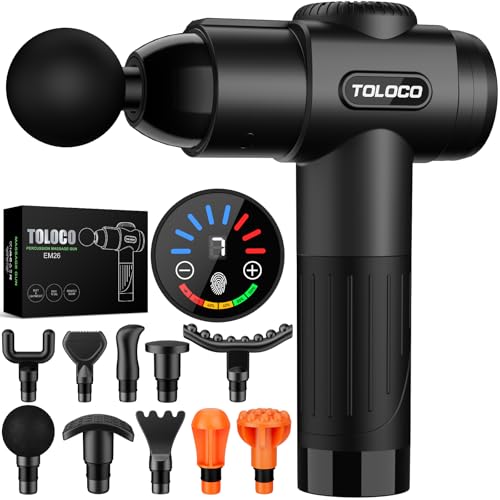
Massage guns, also known as percussion massagers, deliver rapid bursts of pressure deep into muscle tissue. They can be very effective for breaking up adhesions and reducing delayed onset muscle soreness (DOMS). The key is using them correctly. Start with a lower speed setting and apply gentle pressure, letting the tool do the work. Focus on the belly of the muscle, not on bones or joints.
Massage guns come with different attachments: a ball head for large muscles, a fork head for the spine area, a bullet head for trigger points, and a flat head for general use. Each has a specific purpose. Use the ball head on quads and glutes, the fork head on either side of the spine, and the bullet head in small knots. A good massage gun will have a stall force of at least 30 pounds to reach deep tissue without bogging down.
While massage guns are popular, they are not magic. They work best when combined with other recovery methods like stretching and hydration. Avoid using them on bruises, inflamed areas, or skin with poor circulation. Limit use to 2 to 3 minutes per muscle group per session.
Compression Gear: Blood Flow and Reduced Swelling
Compression sleeves, socks, and tights apply gentle pressure to limbs, which helps improve venous return and reduce swelling. They are popular among runners and athletes for both performance and recovery. Wearing compression gear during or after exercise can reduce muscle oscillation, potentially decreasing fatigue and soreness.
For recovery, wear compression items post workout for several hours or overnight. Look for graduated compression, meaning tighter at the ankle or wrist and looser at the top. This promotes blood flow toward the heart. Common compression levels are 15 to 20 mmHg (mild, for daily wear) and 20 to 30 mmHg (moderate, for recovery). Make sure the gear fits snugly but not painfully tight.
Compression gear is not a substitute for active recovery or movement. It works best as a supplement to other recovery strategies. Some people find it helps with travel or long periods of sitting. If you have circulation issues or diabetes, consult a doctor before using compression products.
Cold and Heat Therapy: When to Use Each
Cold therapy (ice baths, cold packs, cryotherapy) reduces inflammation and numbs sore tissues. It is most effective immediately after intense exercise or injury to control swelling. Use a cold pack for 15 to 20 minutes at a time, with a towel between your skin and the pack to prevent frostbite. Contrast baths (alternating hot and cold) can also help flush out waste products.
Heat therapy (heating pads, warm baths, saunas) increases blood flow and relaxes tight muscles. It is better for chronic stiffness or prior to activity to warm up muscles. Use heat for 15 to 20 minutes, being careful not to burn yourself. Moist heat (like a warm towel) penetrates deeper than dry heat.
Neither cold nor heat is a cure all. Cold can delay recovery if used too long, and heat can worsen inflammation. Listen to your body. If you have areas of numbness or poor circulation, avoid extreme temperatures. For most people, alternating between cold and heat can be beneficial, but personal preference and specific symptoms should guide your choice.
Active Recovery and Stretching: The Underrated Essentials
Before spending money on fancy tools, do not overlook the basics. Active recovery (low intensity movement like walking, swimming, or yoga) helps clear metabolic waste and maintains blood flow without additional stress. Stretching, both static and dynamic, improves flexibility and reduces muscle tension. A 10 minute walk or a gentle yoga flow can be as effective as many tools.
Dynamic stretches (like leg swings or lunges) are best before exercise. Static stretches (holding a position for 30 seconds) are best after exercise or on rest days. Foam rolling and massage guns can complement stretching but should not replace it. Consistent sleep, hydration, and proper nutrition are equally important for recovery.
Ultimately, the best recovery tool is the one you will use consistently. Start with a foam roller and basic compression gear, then add tools as needed. Pay attention to how your body responds. Recovery is personal, and what works for one person may not work for another.
Frequently asked questions
How often should I use a foam roller?
You can use a foam roller daily, but limit each muscle group to 30 to 60 seconds. Avoid rolling over injuries or areas with acute pain.
Is a massage gun better than a foam roller?
They serve different purposes. A foam roller is better for broad, even pressure, while a massage gun provides targeted, deep relief. Both are useful, but a foam roller is more versatile for a beginner.
Do compression sleeves really help with recovery?
Yes, they can reduce swelling and muscle soreness by improving blood flow. They are most effective when worn after exercise for several hours.
Should I ice or heat sore muscles?
Use ice for acute pain or swelling within the first 48 hours. Use heat for chronic stiffness or muscle tightness. Never apply heat to an inflamed area.
Looking to buy? See our Balance Recovery guides for tested picks.