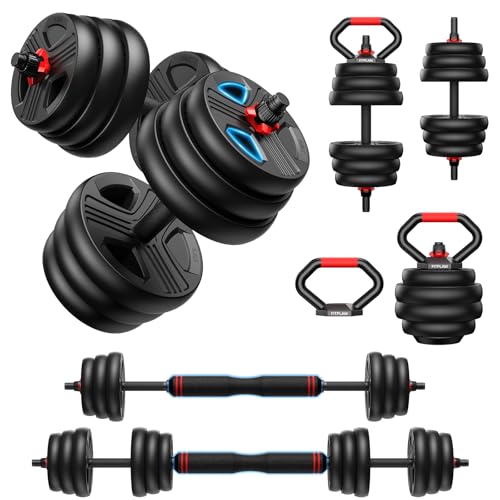
 Related pick
Premium machines typically offer stronger frames, smoother mechanics, and better customer support, while budget models often sacrifice durability and advanced features to hit a lower price point. For most home users, mid-range machines provide the best balance of cost and performance.
Walking into a fitness equipment showroom — or scrolling through online listings — you face a dizzying range of prices. Why does one treadmill cost four times as much as another? Is it pure marketing, or does the extra money actually buy you something meaningful? This article cuts through the noise to give you a practical, honest breakdown of what changes (and what doesn’t) when you move from budget to premium exercise machines.
Frame and Build Quality: The Foundation of Difference
The most significant upgrade in premium machines is the frame. Budget models often use thinner gauge steel and lighter components to save on material costs. This can lead to a wobble during intense workouts or a shorter overall lifespan. Premium machines, on the other hand, use heavier, reinforced steel frames that support larger users and withstand years of use without warping or cracking.
Now, does that matter for everyone? If you walk on a treadmill three times a week and weigh under 180 pounds, a budget frame might be perfectly adequate. But if you run frequently, do high intensity intervals, or weigh more, the extra stability of a premium frame can make your workout safer and more enjoyable. The difference is in the feeling of solidity underfoot.
Drive Systems and Mechanics: The Smooth Operator
For cardio machines like treadmills and ellipticals, the drive system is critical. Budget models often use smaller, less powerful motors that can overheat or struggle to maintain speed. Premium units typically feature continuous duty motors with higher horsepower ratings, meaning they run cooler and last longer. The roller diameter and bearing quality also vary: larger rollers with sealed bearings reduce friction and noise.
On strength machines, the difference lies in the pulleys, cables, and weight stacks. Budget units may use plastic pulleys and nylon cables that wear out or stretch. Premium machines use aluminum or steel pulleys with aircraft grade cables and smoother weight stacks. The result is a more fluid, quiet movement that feels closer to commercial gym equipment. For a casual lifter, these differences might be minor, but for daily users, they can determine whether a machine lasts 3 years or 10.
Electronics and Display: Features vs. Reliability
Budget exercise machines often pack in a surprising number of features: Bluetooth, app connectivity, touchscreens, preset workouts. But the quality of those electronics can be hit or miss. Screens may be dim, slow to respond, or prone to glitches. The console software might feel clunky and the preloaded workouts might not adapt to your fitness level well.
Premium machines tend to focus on reliability and ease of use. The screens are brighter, the touch response is crisp, and the software is polished. They often integrate better with popular fitness apps and offer more responsive heart rate monitoring. That said, many premium units stick with simpler LED displays to avoid unnecessary complexity. The key takeaway: don’t pay extra for a fancy screen if you mainly use your own device for data. Instead, pay for durability and seamless connectivity.
Warranty, Support, and Resale Value: The Long Game
One of the biggest practical differences is the warranty. Budget machines typically offer one to two years on parts and labor, and maybe just a 90 day warranty on labor. Frames might be covered for life, but that often requires you to pay for shipping and service. Premium machines come with much longer warranties, sometimes 10 years on parts and lifetime on frame and motor.
Customer support also diverges. Budget brands often outsource support or use email only, while premium companies have dedicated phone lines and in home service options. If something breaks, getting it fixed quickly can be a nightmare with a budget brand. Also consider resale value: premium machines hold their value much better because they have a reputation for durability. A used high end treadmill can sell for 50 60% of its original price after a few years, while budget models often fetch pennies on the dollar.
Which Is Right for You?
Choose budget if: you have a tight budget, you are a light to moderate user, you are okay with a shorter lifespan (3 5 years), and you don’t need advanced features or quiet operation. Budget machines can be a great entry point to home fitness.
Choose premium if: you work out regularly or intensely, you weigh over 250 pounds, you want the machine to last 10+ years, you value quiet operation and smooth mechanics, or you hate dealing with repairs and poor support. The upfront cost is higher, but the total cost of ownership can be lower when you factor in longevity and resale.
For most people, the sweet spot is a mid tier machine from a reputable brand: solid frame, good motor, simple console, and decent warranty. That avoids the worst of budget compromises without paying for superfluous premium extras.
Frequently asked questions
Is a premium exercise machine always worth the extra cost?
Not for everyone. If you are a light, casual user, a budget model may meet your needs without issue. Premium machines are worth it for heavy users, runners, and anyone prioritizing longevity and reliability.
Do budget machines have the same features as premium models?
They often boast similar feature lists like touchscreens and apps, but the quality of those features is lower. Screens may be dimmer, software less responsive, and connectivity more prone to issues.
How long do budget exercise machines typically last compared to premium?
Budget machines usually last 3 5 years with moderate use, while premium machines can last 10 15 years or more. The difference is mainly in the frame, motor, and component quality.
What should I prioritize when choosing between budget and premium?
Focus on the frame and motor quality first, then warranty and support. Electronics and fancy features are less important for long term satisfaction. A mid range machine from a trusted brand often gives the best balance.
Looking to buy? See our Exercise Machines guides for tested picks.