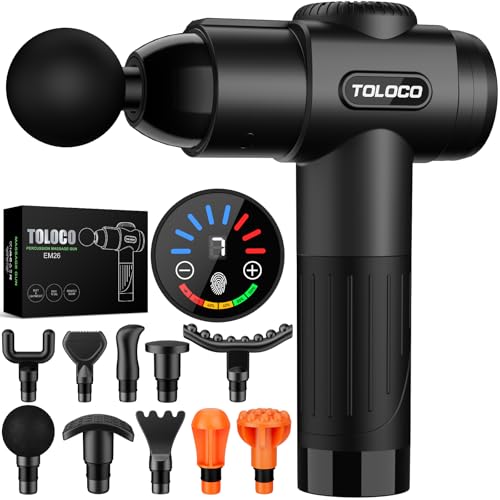
Clean massage gun attachments after each use by wiping with a damp cloth and mild soap. For silicone or foam attachments, use a gentle soap solution and air dry. Rubber attachments need only a dry cloth. Avoid submerging or using harsh chemicals to prevent damage.
Keeping your massage gun attachments clean is essential for hygiene and performance. Sweat and bacteria can build up on the foam, rubber, or silicone heads, leading to skin irritation and reduced effectiveness. This guide covers simple, effective methods for cleaning each type of attachment without damaging them.
Why Cleaning Massage Gun Attachments Matters
When you use a massage gun, the attachments come into direct contact with your skin, often after a sweaty workout. Over time, dead skin cells, oils, and bacteria accumulate on the surface of the heads. If left uncleaned, these contaminants can cause acne breakouts, skin infections, or exacerbate skin conditions like eczema.
Regular cleaning also preserves the integrity of the materials. For example, foam attachments can harden if filled with dried sweat, and rubber can degrade from oil buildup. Keeping them clean ensures each massage feels as effective as the first time and extends the life of your investment.
Materials You Will Need
To clean your massage gun attachments, gather these common household items: a soft, lint-free cloth (microfiber works best), mild dish soap or a gentle antibacterial soap, a small bowl of warm water, and a separate dry cloth for drying. For deeper cleaning, you may also use isopropyl alcohol (70% concentration) or a disinfectant spray that lists compatibility with plastics and rubber.
Avoid bleach, hydrogen peroxide, or abrasive scrubbing pads, as these can discolor or create micro-tears in the attachments. Stick to soft cloths and gentle cleaners to keep the surfaces smooth and safe for skin contact.
Step by Step Cleaning Instructions for Different Attachments
Foam Attachments: Foam is porous and absorbs sweat easily. Mix a few drops of mild soap into a bowl of warm water. Dampen a soft cloth with the solution and gently wipe the foam attachment in a circular motion. Do not soak or submerge foam, as water trapped inside can cause mold. Rinse the cloth with clean water and wipe off any soap residue. Then press the attachment with a dry cloth to absorb moisture. Let it air dry completely for several hours before reattaching.
Rubber Attachments: Rubber is non-porous and easier to clean. Simply wipe with a dry microfiber cloth after each use to remove oils and sweat. For deeper cleaning, dampen a cloth with a small amount of rubbing alcohol and wipe the rubber surface. This disinfects without damaging the material. Allow the alcohol to evaporate fully before storing. Avoid using soap on rubber as it may leave a slippery residue.
Silicone Attachments: Silicone is durable and dishwasher safe in the top rack, but hand washing is recommended to preserve the shape. Use warm, soapy water and a soft cloth to clean the silicone head. Rinse thoroughly with clean water and pat dry. Silicone can also be sanitized by wiping with a diluted bleach solution (1 part bleach to 9 parts water), but only if you rinse extremely well afterward. Silicone dries quickly, so you can use it again in about 30 minutes.
Common Mistakes to Avoid When Cleaning Attachments
One of the biggest mistakes is submerging attachments in water. Many massage gun attachments have a foam core or a hole where they attach to the gun; water can get trapped inside, leading to interior rust or mold growth. Always use a damp cloth rather than running water directly over the attachment.
Another error is using harsh chemicals like acetone, bleach (unless diluted properly), or all purpose cleaners that contain abrasives. These can break down the material over time, causing cracks or a sticky surface. Also, avoid putting attachments in the microwave or dishwasher if they aren’t explicitly labeled as dishwasher safe; high heat can warp foam and degrade rubber.
Finally, don’t forget to clean the massage gun shaft itself. After removing an attachment, wipe the metal shaft with a dry cloth to remove any debris or oil that could transfer to the next attachment. This simple step prevents cross contamination and keeps the connection smooth.
How Often Should You Clean Massage Gun Attachments?
For daily or frequent users, it’s ideal to clean attachments after every use. If you use your massage gun after sweaty workouts, a quick wipe with a dry cloth or disinfectant wipe between uses will keep bacteria at bay. For less frequent users, clean after each session but at minimum once a week if the gun is used occasionally.
If you share your massage gun with others, clean the attachments thoroughly after each person’s use with a disinfectant wipe or rubbing alcohol. Also inspect attachments monthly for signs of wear, such as cracks, tears, or a change in texture. Replace any attachment that shows damage to maintain safety and hygiene.
Frequently asked questions
Can I put my massage gun attachments in the dishwasher?
Only silicone attachments are typically dishwasher safe, and only on the top rack. Foam and rubber attachments should never go in the dishwasher as the heat and moisture can warp or degrade them.
Is it safe to use rubbing alcohol to clean massage gun attachments?
Yes, 70% isopropyl alcohol is safe for rubber and silicone attachments, but avoid using it on foam as it can break down the material. Always allow the alcohol to dry completely before using the attachment.
What should I do if my foam attachment starts to smell?
If a foam attachment develops a musty odor, it likely has moisture trapped inside. Try placing it in a sunny spot or near a fan to dry fully. If the smell persists after thorough drying, replace the attachment.
How do I clean the massage gun shaft where attachments connect?
Wipe the metal shaft with a dry microfiber cloth after each attachment change. For deeper cleaning, use a cloth dampened with rubbing alcohol and allow it to air dry. This prevents buildup and keeps the connection secure.
Looking to buy? See our Strength Attachments guides for tested picks.