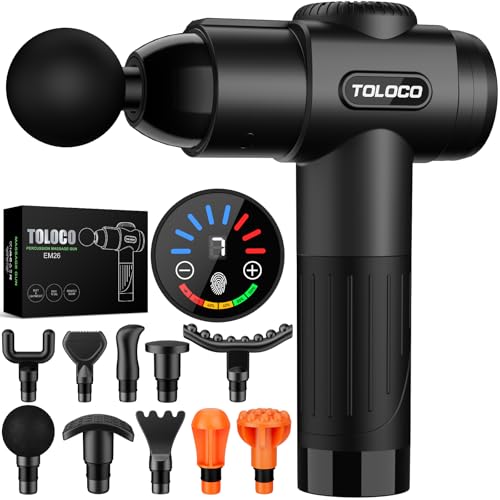
To reduce muscle soreness after the gym, prioritize active recovery like light walking or stretching, stay hydrated, consume protein within two hours post-workout, and consider cold or heat therapy. Sleep is crucial for muscle repair.
Feeling sore after a tough gym session is a sign that your muscles are adapting and getting stronger. But that doesn’t mean you have to suffer through the stiffness and discomfort. By using a few smart strategies, you can ease the ache and get back to your routine faster. Here is how to reduce muscle soreness effectively, based on what actually works.
1. Keep Moving with Active Recovery
While it may be tempting to collapse on the couch after a hard workout, light movement can actually help reduce muscle soreness. Active recovery, like taking a gentle walk, riding a stationary bike at low intensity, or doing some light yoga, increases blood flow to your muscles. This improved circulation delivers oxygen and nutrients that aid repair while flushing out metabolic waste products that contribute to soreness.
The key is to keep the intensity low, around 30-40% of your max effort. Aim for 10-20 minutes the day after your workout. If you are very sore, even a few minutes of stretching or slow walking can help. Listen to your body and stop if any movement causes sharp pain.
2. Prioritize Hydration and Electrolytes
Dehydration can worsen muscle soreness by impairing your body’s ability to repair tissue. Water is essential for every metabolic process, including muscle recovery. Drink water throughout the day, and consider adding electrolytes, sodium, potassium, and magnesium, especially if you sweat heavily. These minerals help with muscle function and cramp prevention.
A simple way to stay on top of hydration is to check your urine color: pale yellow is a good sign. Aim for about half your body weight in ounces of water daily, and more on training days. If you feel unusually sore, you might be low on magnesium; a Epsom salt bath can help absorb it through the skin.
3. Eat for Recovery with Protein and Anti-Inflammatory Foods
What you eat after the gym makes a big difference. Your muscles need protein to repair the microtears caused by lifting or intense exercise. Aim for 20-30 grams of high-quality protein within two hours of your workout. Good options include chicken, fish, eggs, Greek yogurt, or a plant-based option like tofu or lentils.
Adding anti-inflammatory foods can also help. Tart cherry juice, ginger, and turmeric contain compounds that may reduce muscle pain. A balanced meal with complex carbs like sweet potatoes or quinoa will replenish glycogen stores. Avoid skipping meals; your body needs the fuel to recover.
4. Use Targeted Temperature Techniques
Both heat and cold can help with muscle soreness, but at different times. Cold therapy, such as an ice pack or cold bath, is best right after a workout to reduce inflammation and swelling. Apply for 15-20 minutes directly to particularly sore muscles. Be careful not to use ice on bare skin for too long.
Heat therapy, like a warm bath, heating pad, or sauna session, works better 24-48 hours later. Heat increases blood flow and relaxes tight muscles. A warm Epsom salt bath combines heat with magnesium for added benefit. Never use heat on an acute injury or very swollen area.
5. Get Quality Sleep and Manage Stress
Sleep is when your body does most of its repair work. During deep sleep, your body releases growth hormone, which is essential for muscle recovery. Aim for 7-9 hours of quality sleep each night, especially after tough workouts. Keep your bedroom cool, dark, and quiet to improve sleep quality.
Chronic stress raises cortisol levels, which can interfere with muscle repair and increase perception of pain. Simple stress management techniques like deep breathing, meditation, or even a short walk can help. If you are consistently sore, consider whether your training volume or intensity is too high. Deload weeks, periods of lower training load every 4-6 weeks, can prevent excessive soreness.
Frequently asked questions
Should I stretch if I am sore?
Yes, gentle stretching can help reduce muscle tightness and improve blood flow. Avoid intense stretching that causes pain; hold each stretch for 15-30 seconds without bouncing.
Is it safe to work out when sore?
Light exercise with the same muscle group can be okay if the soreness is mild, but avoid heavy lifting or intense training until the soreness subsides. Listen to your body and rest if you feel sharp pain.
Do foam rollers help with soreness?
Yes, foam rolling or other forms of self-myofascial release can temporarily reduce soreness by increasing blood flow and relaxing tight muscles. Use gentle pressure on sore spots for 30-60 seconds.
How long does muscle soreness usually last?
Delayed onset muscle soreness (DOMS) typically peaks 24-72 hours after exercise and gradually fades. If soreness lasts more than a week or is severe, consult a medical professional.
Looking to buy? See our Balance Recovery guides for tested picks.